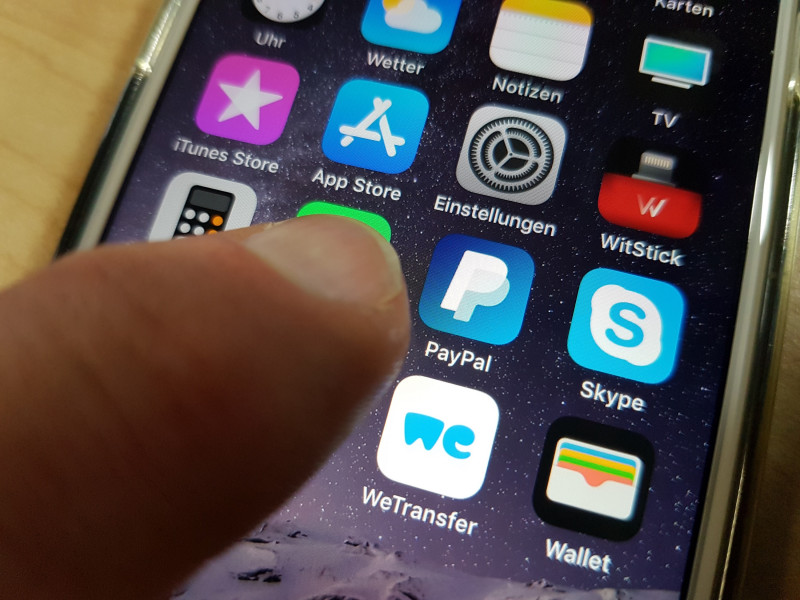
Like it or not, we are living in the 'Age of Apps'. In Malaysia, both businesses and government agencies are moving more services online. As a result, many of us now have to download apps to buy things, pay bills or access services that used to be done over the counter.
Overall, this is a good thing. Apps can make processes faster, more convenient and sometimes cheaper.
Take the JustGO app, which is being used to test barrierless tolling through Automated Number Plate Recognition at the Hutan Kampung–Sungai Dua stretch. It is free to use and does not require a physical device or sticker.
Still, not everyone is thrilled. Though most Malaysians now own a smartphone, many feel that having to download too many apps is troublesome. Keeping track of passwords can be frustrating, especially for older users. There are also genuine concerns about cybersecurity and data privacy.
These concerns are understandable. The question many people ask is simple: how many apps are too many?
The government’s MyGov “super app” now brings together 44 services from 16 agencies, with 30 more services planned for integration this year.
The Digital Ministry has rightly pointed out in Parliament that merging everything into one platform is not easy and cannot be done overnight. That is a sensible position. Big changes rarely work if rushed. While gradual reform may not sound sexy, it is often more practical and sustainable.
Most people have probably accepted that our lives will continue to become more digital. The real question is how to make that shift as smooth and painless as possible.
Two things will matter most: building resilience and ensuring inclusivity. Resilience means strengthening cybersecurity and maintaining systems properly. If too many services are placed under one app, there is always the risk of a single point of failure.
It also means putting proper laws in place. The amendments to the Personal Data Protection Act in 2024 are a step in the right direction. Stronger legal safeguards help build public trust.
At the same time, one size rarely fits all. Different services have different needs. That is why integrating apps gradually makes sense and why, at least for now, having a few different apps is unavoidable.
On a personal level, digital literacy is no longer optional. Managing apps is part of modern life. It does not have to be overwhelming, and strong community support can help those who struggle, especially senior citizens.
Inclusivity means recognising that different users require different features. Some need accessibility tools. Others need offline or low data modes. Many still use older phones or have limited digital skills.
During this transition, the key is to provide choices and backup options rather than forcing everyone into a single system. Governments and companies should also invest in helping people learn how to use new apps instead of simply expecting instant adoption.
Take toll payments as an example. Motorists are currently given several payment options at toll plazas. That flexibility should continue.
It is unlikely that we can roll back the Age of Apps. Technology is always advancing and, over time, it will make life easier.
Perhaps the real issue is not the number of apps, but how digital services are introduced and explained. With better communication and thoughtful implementation, having multiple apps can feel manageable and even logical.
This should not be a debate about one app versus many. The focus should be on quality, security and ease of use. If we get those right, we can ensure resilience, inclusivity and user choice. - February 24, 2026
Sharon Ling Sue Ann
Petaling Jaya
The observations reflect the writer's personal insights and do not necessarily represent the official stance of The Vibes.com