
BRICKFIELDS is not falling apart. It is being allowed to.
Spend ten minutes walking through the area, and you will see it — not as an isolated mess, but as a pattern.
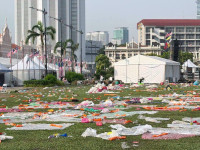
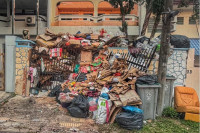
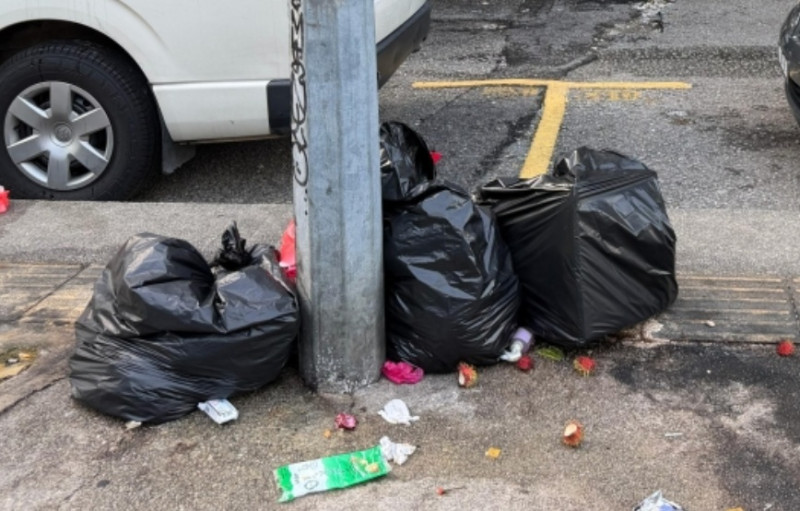
Garbage bags left out in the open. Loose waste drifting towards shopfronts. Pavements are shrinking because rubbish has quietly taken over space meant for people.
And people notice. They just don’t believe anything will be done about it.
This isn’t hidden in back lanes or tucked behind construction sites. This is out in the open, in a neighbourhood that Kuala Lumpur proudly claims as one of its own.
What does that say?
At some point, this stops being a cleanliness issue and starts looking like indifference. The kind that settles in when everyone assumes someone else is supposed to act — and no one does.
Because rubbish like this doesn’t appear overnight. It builds up when the collection is inconsistent. When enforcement is weak. When responsibility is blurred just enough for nothing to get done.
And yet, like clockwork, the same excuse appears — public attitude. Yes, fine those who dump illegally. Enforce the law. Put up cameras. Do what needs to be done.
But let’s not pretend this is just about irresponsible individuals when garbage is sitting on pavements long enough to become part of the landscape.
That’s not an attitude. That’s neglect.
A pavement is not a decorative space. It is basic infrastructure. It is meant to be used by workers, by the elderly, by people with disabilities, by anyone trying to get from one point to another without having to navigate around someone else’s mess.
When that space is taken over by rubbish, what you are really saying is simple: deal with it. And that message lands.
Brickfields is not some forgotten edge of the city. It is one of Kuala Lumpur’s most recognisable neighbourhoods — busy, layered, constantly moving. The kind of place the city showcases when it wants to talk about culture and character.
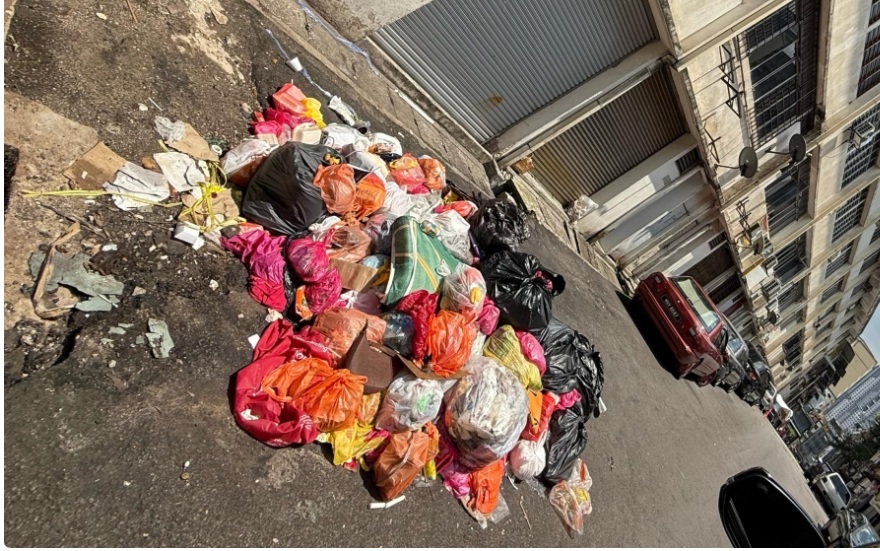
Character cannot compensate for basic failure
You cannot market vibrancy while ignoring decay sitting in plain sight. And this is where it becomes dangerous — not dramatically, but quietly.
People adjust. They step around the rubbish. They stop expecting clean walkways. They stop complaining because it starts to feel pointless.
That is how standards collapse — not with a crisis, but with resignation. A pile left a little too long. A walkway is partially blocked.
A problem that lingers just enough to become normal. It shouldn’t be. And this is not complicated.
No one is asking for a grand urban overhaul. No one is asking for cosmetic upgrades or feel-good campaigns.
Just do the basics. Properly. Every day. Collect the rubbish on schedule. Enforce the rules without waiting for outrage.
Make it clear who is accountable when things are not cleared. Have officers on the ground who actually see what is happening, not reports that say everything is “under control.”
Because nothing about this looks under control. What Brickfields is dealing with now feels embedded. And when a problem starts to feel embedded, it usually means one thing — it has been tolerated for far too long.
That is not an accident
It is a decision. A decision to respond properly, or not. A decision to maintain standards, or quietly lower them.
And if this is the standard being accepted in Brickfields, then it raises a bigger question. What exactly is Kuala Lumpur willing to settle for?
Because this is not about perfection. Cities are messy. Systems fail. But when something as basic as waste collection cannot be handled consistently, it stops being a logistical issue.
It becomes a question of priority. Or worse — a lack of it. And that is harder to explain away than any pile of garbage left on a pavement. – May 13, 2026