
POLITICS often mistakes noise for leadership.
The loudest voices dominate our news. The sharpest slogans dominate our social media. Yet history rarely remembers those who shouted the loudest.
It remembers those who quietly changed the direction of their nations.
Andy Burnham may prove to be one of those leaders.
Should he become Britain’s next Prime Minister, Malaysia and ASEAN should resist the temptation to see another change of occupant at Number 10.
Instead, we should recognise something potentially far more significant—a shift in philosophy.
Burnham is not trying to recreate Britain’s past. He is trying to rebuild its future.
For decades, Britain has been governed from London. Wealth accumulated in one corner of the country while entire regions waited patiently for an opportunity that seldom arrived.
Burnham’s answer has been refreshingly simple: trust communities, empower cities, invest in infrastructure, and create prosperity where people actually live.
As an entrepreneur and social capitalist, that resonates with me.
Economic growth does not begin in ministries. It begins in towns. It begins in factories. It begins in laboratories, classrooms, ports, farms and small businesses.
Governments create the conditions. People create prosperity.
That distinction matters.
Too often, we fall into the false debate between capitalism and socialism, between government and markets, between public and private.
The truly successful societies have long understood that this is a false choice.
The future belongs to nations where governments build confidence, businesses create wealth, universities create ideas, and communities create trust.
That is what I have always described as social capitalism.
Whether Andy Burnham would use those words is beside the point. What matters is that much of his practical record reflects a belief that economic growth must serve society, and society must enable economic growth.
That is a conversation Malaysia understands.
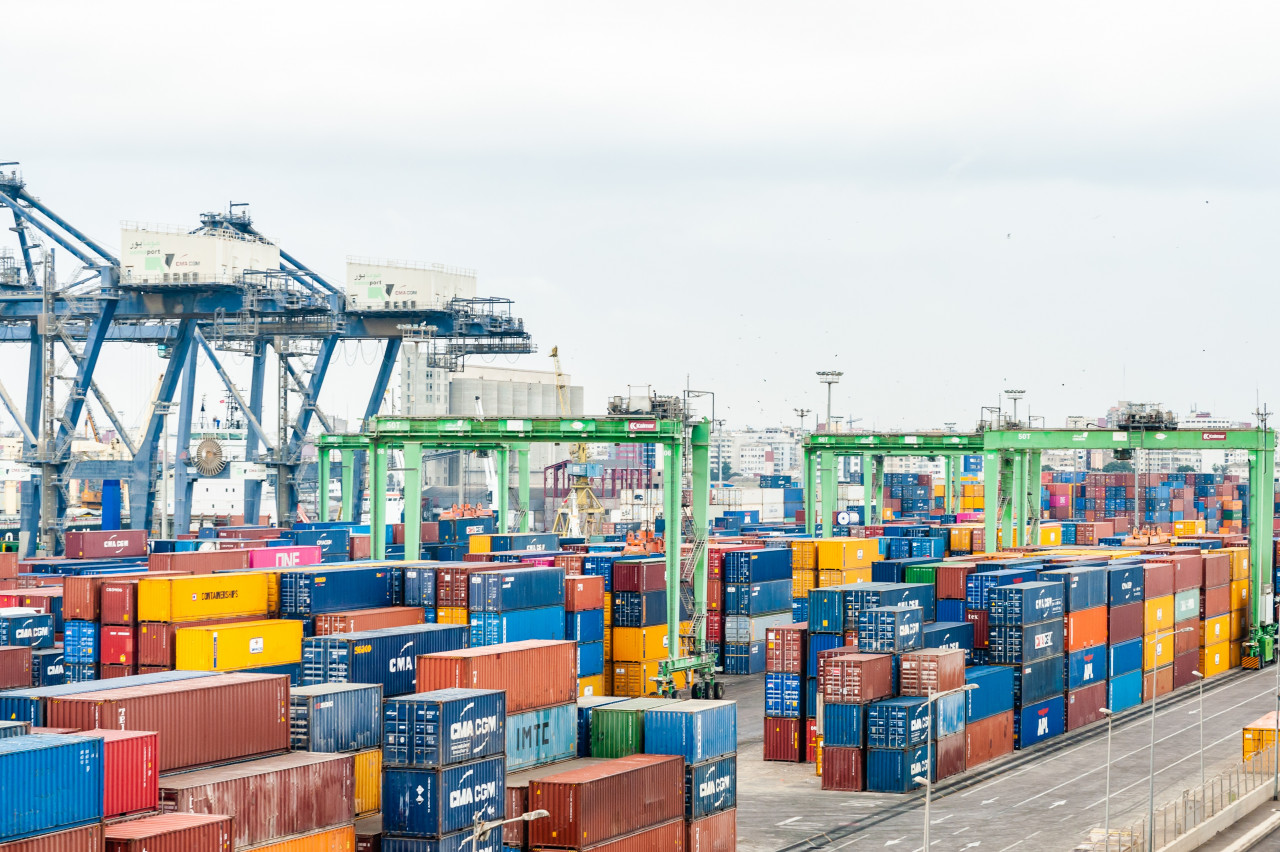
We, too, are a nation built not by ideology but by pragmatism.
We are Malay, Chinese, Indian, Indigenous, and so much more.
We trade with America.
We trade with China.
We trade with Europe.
We trade with India.
Our strength has never come from choosing sides. It has come from building bridges. It has come not from owning the table but from holding the table.
Britain under Andy Burnham may begin thinking in much the same way.
This presents an opportunity that ASEAN cannot afford to ignore.
Britain remains one of the world’s great financial centres, a leader in higher education, advanced manufacturing, life sciences, artificial intelligence and green technology.
ASEAN, meanwhile, is one of the fastest-growing economic regions on Earth, home to over 670 million people and an increasingly confident middle class.
The partnership is obvious.
Malaysia should position itself not merely as Britain’s trading partner but as Britain’s trusted gateway into ASEAN.
Likewise, Britain should see Malaysia not simply as a Commonwealth friend but as a strategic platform into Southeast Asia.
The relationship should evolve beyond palm oil, education and historic ties.
It should encompass semiconductor supply chains.
Artificial intelligence.
Climate technology.
Food security.
Healthcare innovation.
Digital finance.
Green manufacturing.
Young entrepreneurs from Manchester should find opportunities in Kuala Lumpur.
Malaysian innovators should find partners in Liverpool, Birmingham and Leeds.
Universities should collaborate.
Businesses should invest together.
Governments should remove barriers rather than create them.
Most importantly, our young people should see one another not as foreigners but as future partners.
Leadership in the twenty-first century is no longer about projecting power.
It is about creating possibilities.
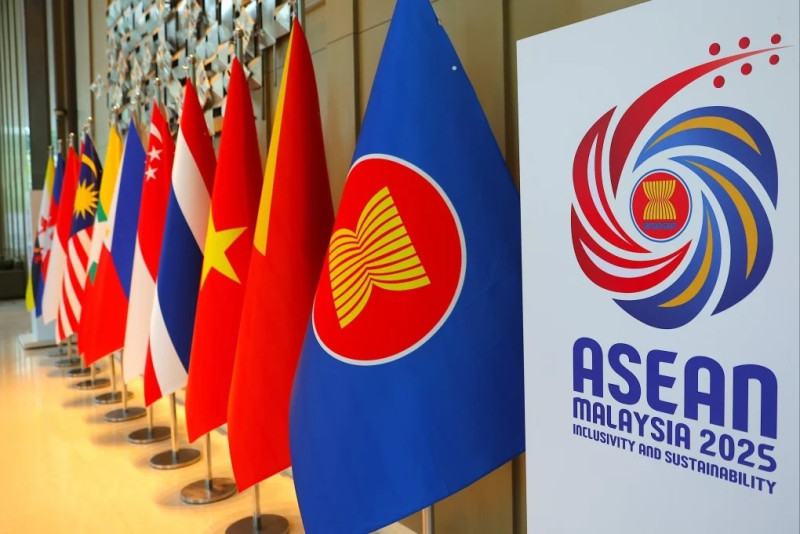
That is the lesson ASEAN has learnt.
It is increasingly the lesson Britain appears ready to relearn.
Whether Andy Burnham succeeds or fails will ultimately be decided by the British people.
That is their sovereign choice.
But if he governs as he has led Greater Manchester—with a focus on empowering communities, investing in infrastructure and measuring success by whether ordinary people feel the benefits of growth—then Malaysia should welcome that direction.
Not because we seek a political ally.
But because we recognise a familiar idea.
If its next chapter is written by leaders who understand that prosperity must be inclusive, opportunity must be shared, and cooperation must triumph over division, then Malaysia and ASEAN should not merely applaud from afar.
We should extend our hand.
Because the greatest partnerships in history have never been built on convenience.
They have been built on shared values, mutual respect, and a common belief that nations, like people, achieve far more when they choose to build bridges rather than walls. And the best nations are those that build bridges rather than walls.
In a fragmented world, Britain and ASEAN have an opportunity to demonstrate that growth, fairness and international cooperation are not competing ambitions.
Together, they can become the same ambition.
Datuk Dr Vinod Sekhar is the publisher of The Vibes and Chairman of the Petra Group


.jpeg)