
THE disappearance of Shia activist Amri Che Mat nearly a decade ago and recent enforcement actions against Shia gatherings in Selangor have renewed attention on the challenges faced by Malaysia’s Shia Muslim community, raising broader questions about religious freedom and the country’s approach to sectarian differences.
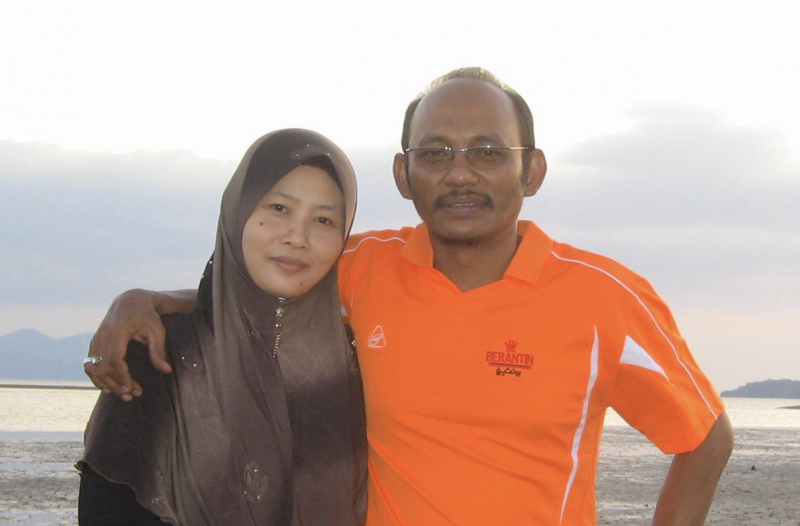
Amri, who was known for his humanitarian work and involvement in Shia religious activities, disappeared in November 2016 while driving in Perlis.
Witnesses said his vehicle was intercepted by several other cars before he was taken away by a group of men. He has not been found since.
Subsequent findings by the Human Rights Commission of Malaysia (SUHAKAM) concluded that Amri was the victim of an enforced disappearance involving state agents.
More recent court decisions also criticised the authorities’ handling of the investigation, with judges noting that his religious affiliation and activities may have been relevant to the case.
His disappearance has since become one of Malaysia’s most prominent unresolved human rights cases and continues to be cited by rights groups as an example of the risks faced by members of minority Islamic sects.
The issue has resurfaced following reports of raids by the Selangor Islamic Religious Department (JAIS) on alleged Shia gatherings in the state. According to reports, several individuals, including women and children, were present during enforcement operations.
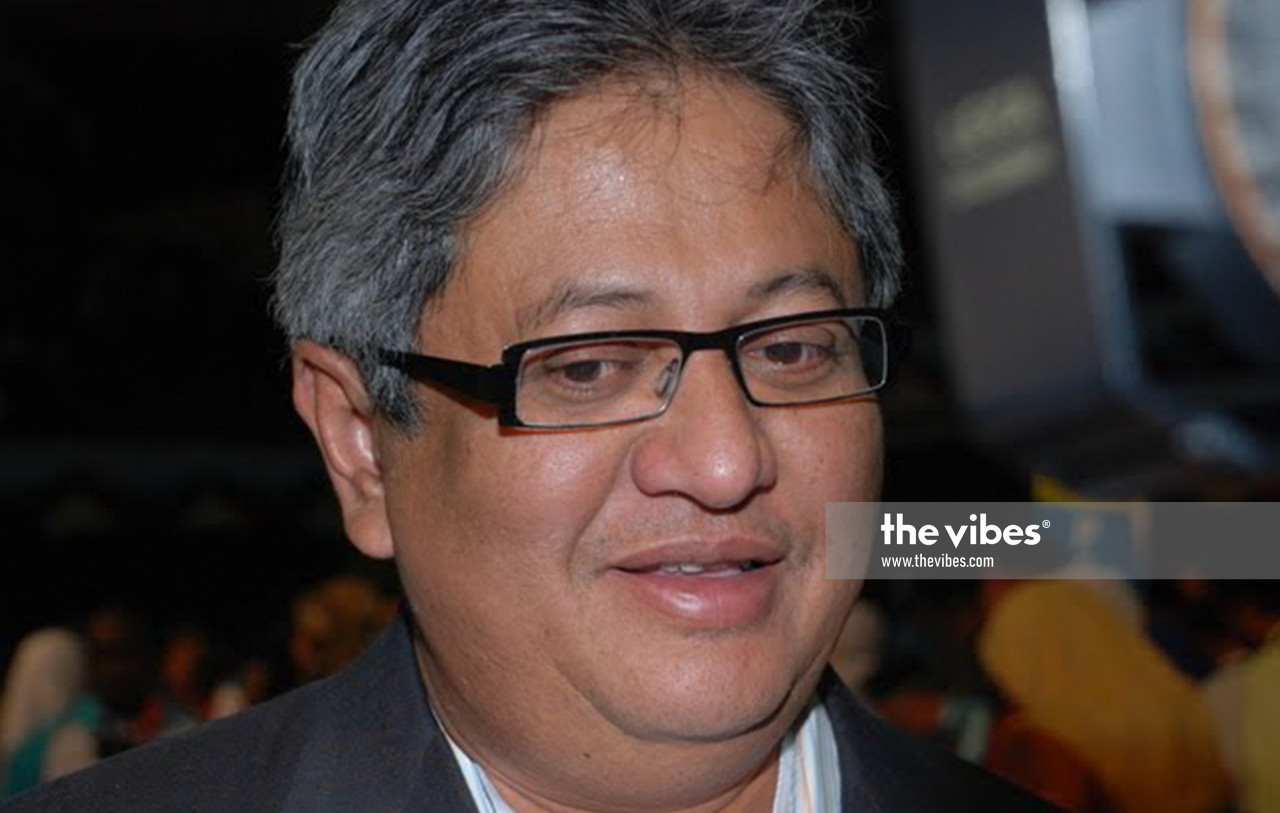
Former law minister and lawyer Datuk Zaid Ibrahim criticised the raids, questioning the necessity of such operations against members of a minority religious community and calling for greater respect for religious freedoms.
Malaysia officially recognises Sunni Islam, primarily the Shafi’i school of jurisprudence, as the country’s mainstream Islamic practice. A national fatwa issued in 1996 declared Shia teachings to be deviant and prohibited their propagation among Muslims.
Since then, state religious authorities have relied on state Syariah laws and religious rulings to take action against activities linked to Shia teachings, including raids on private gatherings, seizures of religious materials and prosecutions involving participants.
Human rights organisations have long argued that these measures have left many Malaysian Shias practising their faith discreetly amid concerns over surveillance, social stigma and limited opportunities for public worship.
The issue also unfolds against a wider debate over the direction of Islamic thought in Malaysia.
Some analysts argue that different ideological currents, including Salafi-Wahhabi and Muslim Brotherhood-inspired movements, have increasingly shaped religious discourse and influenced public institutions over the years.
They contend that the growing emphasis on religious orthodoxy has contributed to stricter attitudes towards groups viewed as being outside the Sunni mainstream, including the Shia community.
Others also point to the influence of regional geopolitical rivalries, particularly between Saudi Arabia and Iran, saying sectarian narratives that have emerged elsewhere in the Muslim world have increasingly found their way into Malaysia’s domestic religious discussions.
Political observers note that accusations of links to Shia teachings have occasionally been used in political discourse, adding another dimension to an already sensitive religious issue.
Supporters of Malaysia’s current religious framework, however, maintain that restrictions on Shia teachings are intended to preserve religious harmony and protect the country’s established Sunni Islamic tradition, consistent with existing fatwas and state religious laws.
The renewed attention surrounding Amri’s disappearance and the recent enforcement operations has once again placed the spotlight on how Malaysia balances religious administration with constitutional guarantees of freedom of religion.
As debate continues, observers say the issue extends beyond one religious minority, touching on broader questions of pluralism, governance and the future character of Islam in Malaysia. – June 29, 2026





.jpeg)