By Murray Hunter
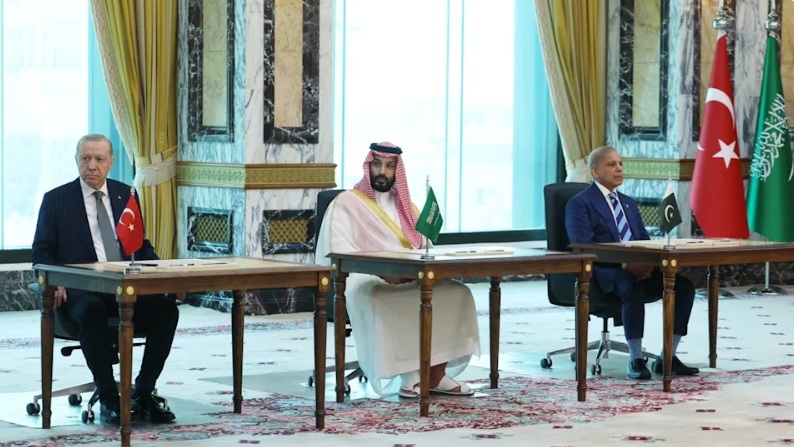
ON 7 August 2026, Saudi Crown Prince Mohammed bin Salman, Turkish President Recep Tayyip Erdoğan and Pakistani Prime Minister Shehbaz Sharif gathered in Mecca to sign the Mecca Joint Defence Agreement.
The core pledge is straightforward enough. An armed attack on any one of the three shall be regarded as an attack on all.
It builds on the bilateral Strategic Mutual Defence Agreement that Riyadh and Islamabad concluded in September 2025, and it talks of deeper defence cooperation, joint exercises, intelligence sharing and industrial collaboration.
That is the official framing. The reality is more modest and more complicated.
This is not a comprehensive military, economic or political alliance.
The three signatories bring complementary assets, where Saudi capital and geography astride critical energy routes, Turkish defence industry and NATO experience, and Pakistani manpower and the Islamic world’s only declared nuclear arsenal.
Yet their strategic interests and threat perceptions diverge sharply.
Pakistan remains fixated on India. Turkey juggles its NATO membership, uneasy relations with Greece and Cyprus, and a complicated dance with both Israel and Iran.
Saudi Arabia’s primary concerns centre on Iran, the security of oil exports, and the reliability of external security guarantees after recent Gulf turbulence.
These are not identical maps of danger.
Strategic alliances rarely live up to their founding rhetoric.
AUKUS and the Quad arrived with grand promises of technological and security integration that have so far delivered more process than decisive capability.
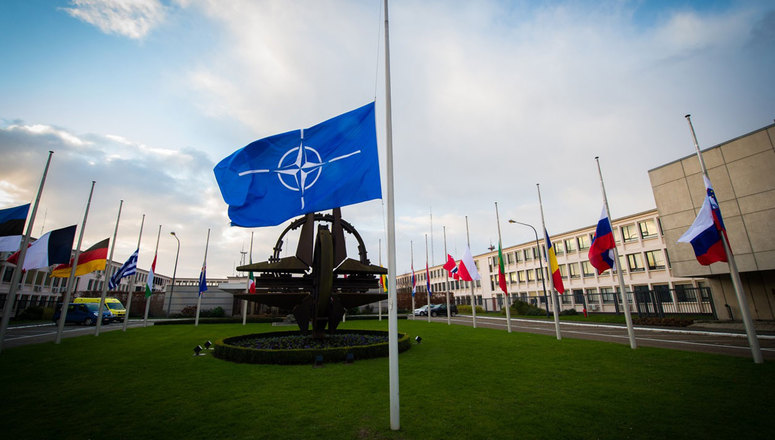
NATO, for all its institutional depth, continues to wrestle with burden-sharing, cohesion and relevance in a multipolar world.
ASEAN’s political framework has long struggled with consensus rules and internal divergences. BRICS expands its membership and rhetoric while remaining more talking shop than coherent economic or geopolitical bloc.
The Mecca Accord risks joining that list of arrangements that look impressive on paper and prove elastic in practice.
The timing is telling. The pact emerged against the backdrop of intensified conflict involving the United States, Israel and Iran, with attendant risks to Gulf energy infrastructure and shipping lanes.
Saudi Arabia and Pakistan already shared long-standing military ties, while adding Turkey formalises a wider conversation that had been underway for some time.
Officials insist the agreement is purely defensive, open in principle to other states, and not aimed at creating a sectarian bloc or nuclear umbrella.
Talk of expansion circulates, where Egypt is frequently mentioned, but nothing to date has been locked in.
Turkey’s participation carries particular tensions.
As a NATO member that hosts US nuclear weapons and maintains intricate commercial and diplomatic channels with Israel even while publicly sparring, Ankara brings both capabilities and constraints.
Ignoring Iran’s residual influence and military weight in the region leaves the new grouping operating in the shadow of the most consequential local power.
There is no anchoring relationship with a superpower to provide the hard guarantee or logistical depth that has historically underpinned lasting security architectures.
Some interpret the Accord as an early formal step toward reducing American centrality in the Gulf.
That reading overstates the case. All three countries continue to value their ties with Washington; diversification of security options is not the same as expulsion.
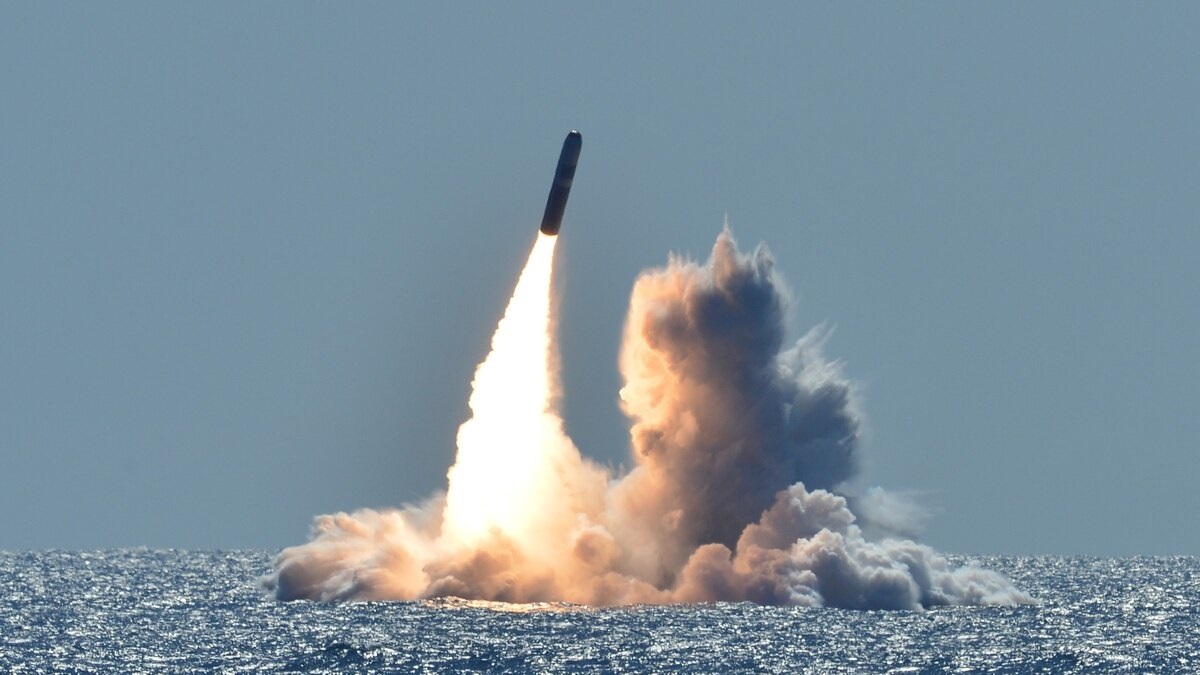
The practical questions remain unanswered. How would the collective defence clause actually be invoked and implemented? Would Pakistan’s nuclear deterrent extend in any meaningful way, or is that deliberately left ambiguous?
Can defence-industrial cooperation overcome differing procurement cultures, technology-transfer restrictions and competing commercial interests?
Joint exercises and intelligence-sharing are achievable; turning complementary strengths into reliable wartime interoperability is very much harder.
Expectations risk being overrated. The Accord provides a useful political signal of solidarity among three significant Muslim-majority states and a modest hedge against regional volatility.
They do not even go near the rewriting of the balance of power, resolving the underlying conflicts of interest among the parties, or creating an alternative security architecture capable of standing independently.
Like many previous initiatives in the region and beyond, the Mecca Accord will be judged less by the ceremony in the holy city than by whether the participants can translate solemn language into sustained, practical cooperation when interests inevitably diverge.
History suggests caution may be the wiser posture. – August 30, 3026










.jpeg)