By Murray Hunter
MALAYSIA faces two interlocking structural challenges that receive far too little sustained attention.
These are the heavy dependence on food imports and a rapidly falling fertility rate. Both threaten long-term economic resilience, national security, and social stability.
Neither can be fixed with short-term subsidies or slogans. Both demand hard policy choices, cultural shifts, and honest public debate.
The Food Import Trap
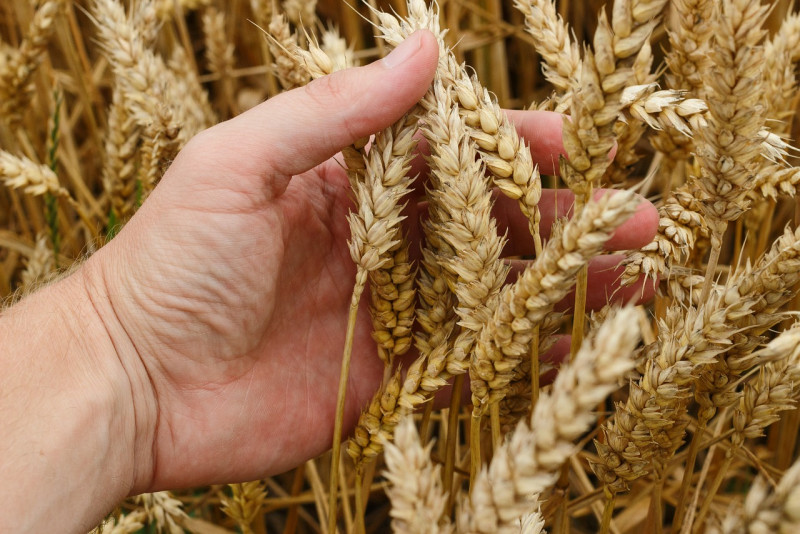
Malaysia continues to rely heavily on imports for many essential foods.
Recent Department of Statistics Malaysia (DOSM) data show self-sufficiency ratios (SSR) well below comfortable levels for key items.
Rice SSR hovered around 53–56 per cent in recent years, meaning nearly half of the national staple must be imported.
Beef import dependency ratios (IDR) stand at roughly 82–83 per cent and mutton at 90–92 per cent.
Everyday ingredients such as garlic, onions, and shallots remain almost entirely imported, while the country also depends on foreign supplies for most fruit and vegetable seeds, chemical fertilisers, pesticides, and animal feed.
This vulnerability is not accidental. Large areas of agricultural land have long been prioritised for palm oil, a high-value export crop that dominates the landscape.

A shrinking local farming workforce, higher domestic production costs compared with neighbouring countries, and structural rigidities compound the problem.
Hereditary land laws fragment holdings and discourage commercial-scale farming. Agriculture is widely viewed as low-status rather than a viable business.
Government-linked companies often prefer rent-seeking activities over productive investment, while small and medium enterprises struggle with limited access to capital, technology, and markets.
The rice sector illustrates the difficulties. Production remains costly, and Padiberas Nasional Berhad (Bernas) retains a long-standing import monopoly that critics argue stifles competition, keeps farmers dependent, and slows efficiency gains.
External shocks, such as spikes in fuel and fertiliser prices or labour shortages, are quickly translating into higher food costs or supply risks.
Very little decisive action has been taken to reverse the trend. Without reforms that free up suitable land, attract younger talent, diversify production beyond cash crops, and inject genuine competition into the rice chain, a manageable dependence can easily tip into crisis during the next global disruption.

The Demographic Cliff
At the same time, Malaysia’s population growth is slowing dramatically.
The crude birth rate fell to 12.2 live births per 1,000 people in 2024, and the total fertility rate (TFR) dropped to 1.6 children per woman, well below the 2.1 replacement level needed to maintain a stable population without migration.
Live births hit their lowest level since 1980.
Ethnic and regional differences are stark. Malay TFR stood at about 1.9 in 2024, closest to replacement, while Chinese TFR remained at 0.9 and Indian rates were also low.
Rural and east-coast states such as Terengganu and Kelantan still record higher fertility, but urban centres like Penang and Kuala Lumpur post the lowest figures. Malaysia has been an ageing society since 2021; the shift is accelerating and will strain the future workforce, pension systems, and healthcare.
The drivers are clear and reinforcing. The cost of raising a child from pregnancy through early years can run into hundreds of thousands of ringgit once education and healthcare choices are factored in.
Women’s labour-force participation sits around 55 per cent, where many delay or forgo children to protect careers amid the well-documented “motherhood penalty.”
Urban childcare for infants can cost RM22,000–36,000 a year per child.
Housing in economic hubs remains expensive, so young couples prioritise property over family size.
Average marriage ages have risen (roughly late 20s for women and 30 for men), compressing the biological window.
Urbanisation, where today over three-quarters of Malaysians now live in cities, encourages smaller households and lifestyles built around dual incomes and limited space.
Rising rates of subfertility and infertility add a medical layer to the problem.
Immigration is often proposed as a demographic safety valve, yet a large-scale, carefully managed migrant programme faces strong community resistance. Continued heavy reliance on low-skilled foreign labour simultaneously depresses wages for many Malaysians and reduces the incentive for firms to invest in technology and productivity.
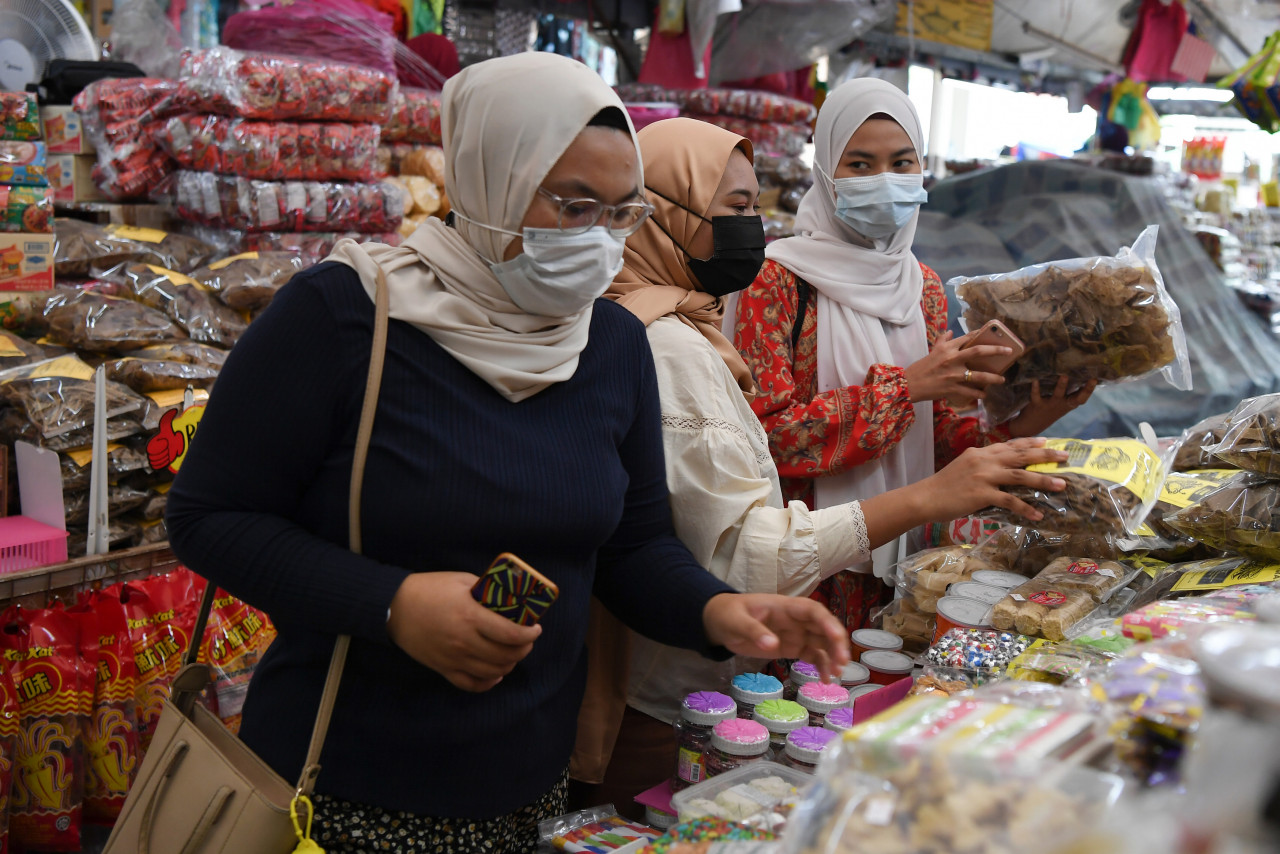
The result is a low-wage, low-innovation equilibrium that fails to solve either the labour shortage or the long-term population shortfall.
Hard Choices Ahead
These two issues are connected.
An ageing, slower-growing population will find it harder to staff farms, process food, or innovate in agriculture.
Food insecurity, in turn, raises living costs and further discourages family formation.
Neither problem is being treated with the urgency it deserves.
Policy responses remain fragmented, short-term, and insufficiently prioritised.
Solutions will not be painless.
On food, Malaysia needs land-use reform that balances palm oil with diversified food production, genuine competition in the rice sector, better support for commercial farming as a career, and targeted incentives for seeds, technology, and young entrants.
On demographics, the country requires cheaper family housing, affordable quality childcare, stronger work-life policies that reduce the motherhood penalty, and honest discussion about the limits of migration versus raising local fertility and productivity.
The solutions are complex and will require sustained community conversation as well as coherent government strategy. Ignoring them is no longer an option.
Food security and a sustainable population structure are not optional extras; they are the foundations of national resilience. Malaysia still has time to act, but the window is closing. – October 6, 2026