MALAYSIAN employment has been hard hit by the Covid-19 pandemic.
Although the “official” figure of those who have lost employment is around 800,000, many believe the real number is much higher. The younger generation is among the hardest hit, as being juniors, they are the first to be retrenched. And, fresh jobseekers cannot find positions. That is the sad, tragic case for youth today.
In recent weeks, foreign workers received wide attention in the media, following a protest in Bangladesh against the alleged mistreatment and mismanagement of foreign workers under the Foreign Workers’ Management System (FWCMS) by Bestinet Sdn Bhd. This was followed by calls to halt the influx of foreign workers against the background of the pandemic and its direct impact on our economy, businesses and unemployment. With our sad local employment situation at the moment, foreign workers should not be allowed, or even considered.
In this context, one of the issues that should be deliberated on at the cabinet meeting by the home minister is that of foreign workers and their management, especially in view of the FWCMS implementation.
1. Malaysia remains one of the countries in the region with a high reliance on low-skilled foreign labour, which has a direct impact on key macroeconomic costs and social-national interests. This includes promoting low-skilled job creation, deterring productivity enhancement and the upskilling of the local workforce, and depressing overall pay. There are also the issues of the outflow of funds and illegal immigrants who evade proper channels to avoid the high costs involved. Foreign workers today comprise 15% of the Malaysian workforce, although many believe the figure to be much higher.
(Source: Bank Negara Malaysia. Low-Skilled Foreign Workers’ Distortions to the Economy, 2018)
2. At stake is also Malaysia’s reputation, as complaints of mistreatment of foreign workers and the overall foreign worker management are now under international scrutiny. According to Human Resources Minister Datuk Seri M. Saravanan, 91.1% of 1.6 million foreign workers in the country, or 1.4 million, are provided with accommodation that does not comply with provisions under the Workers’ Minimum Standards of Housing and Amenities Act 1990 (Act 446).
3. It has also come to light that there is an increase in unemployed persons, with more than 800,000 losing their jobs, creating concerns as to how much higher the unemployment rate will rise with a prolonged movement control order (MCO), and how to avoid a severe impact on the national economy, which will affect people’s livelihood.
4. Against this background, the human resources minister was reported to be in discussions with his counterpart in Bangladesh to open borders, to allow foreign workers into Malaysia. This is unacceptable, even unthinkable.
5. Taking all the above into consideration, it is important to halt new incoming foreign workers until a comprehensive study is conducted on the labour redeployment strategy post-pandemic. Added to this, there should be an investigation into FWCMS, which has come under so much criticism since its introduction as a proof-of-concept project in 2015 under the Home Ministry.
Objective
The objective of this article is to highlight issues related to foreign workers and their impact on the country should they be debated in Parliament, so that the cabinet can defer any decisions with regard to foreign workers, subject to a detailed study being undertaken.
That is why the functioning of Parliament is crucial in this critical period.
Issues at hand
Economic consideration
1. Unprecedented economic implications and uncertainty due to the Covid-19 pandemic. Cautious attitude in the private sector delaying much-needed investment and capital expenditure. Instead, it is focused on capital preservation and austerity measures.
2. According to a news report, a total of 2,713 small and medium enterprises in Malaysia closed down between March and October last year, during the implementation of various iterations of the MCO to stem the spread of Covid-19.
3. Over time, the implications will be huge for local working adults in Malaysia, with limited job opportunities.
4. Job opportunities will be hugely affected post-Covid-19 as a result of business closures. We have seen some big-name multinational corporations leaving our shores, and big companies implementing rationalisation exercises.
5. Malaysia’s unemployment rate rose 4.5% last year, the highest rate recorded since 1993, according to the Statistics Department.
6. The Statistics Department also said the number of unemployed individuals last December rose in the annual comparison, up 1.6% to 772,900 individuals, or a rate of 4.8%.
7. According to the Malaysian Employers’ Federation, “every year, 500,000 Malaysians enter the job market”, which means next year, there will be at least a million jobseekers from this year.
Foreign workers in Malaysia’s domestic labour market
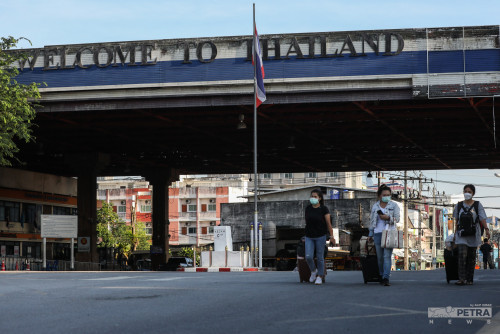
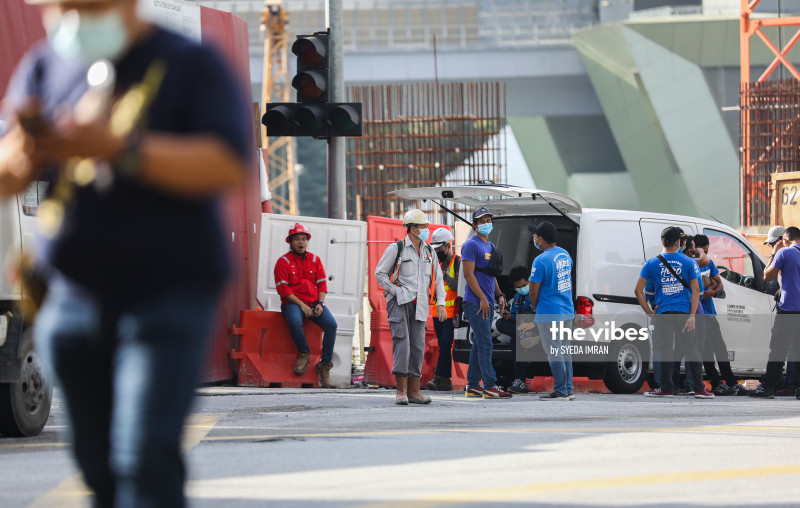
According to Jarud Romadan of Khazanah Research Institute, Malaysia is home to around two million documented migrant workers, comprising some 15% of the total workforce. In addition, the World Bank estimates that there are about 3.3 million undocumented foreign labourers in the country, concentrated in the manufacturing sector (36%), followed by construction (19%) and plantation (15%).
(Source: SHRAM, Khazanah Research Institute, Low protection for migrant workers in Malaysia during Covid-19, November 2020)
Combining both figures, in total, 5.3 million jobs are filled by foreign workers across sectors.
Similarly, thousands of foreign workers have lost their jobs, and according to the International Labour Organisation, there were cases of migrant workers being unfairly terminated or not getting paid when Malaysia’s nationwide coronavirus lockdown was imposed last March.
(Source: CNBC, Neglect of migrant workers could hurt Malaysia’s economic recovery, November 2020)
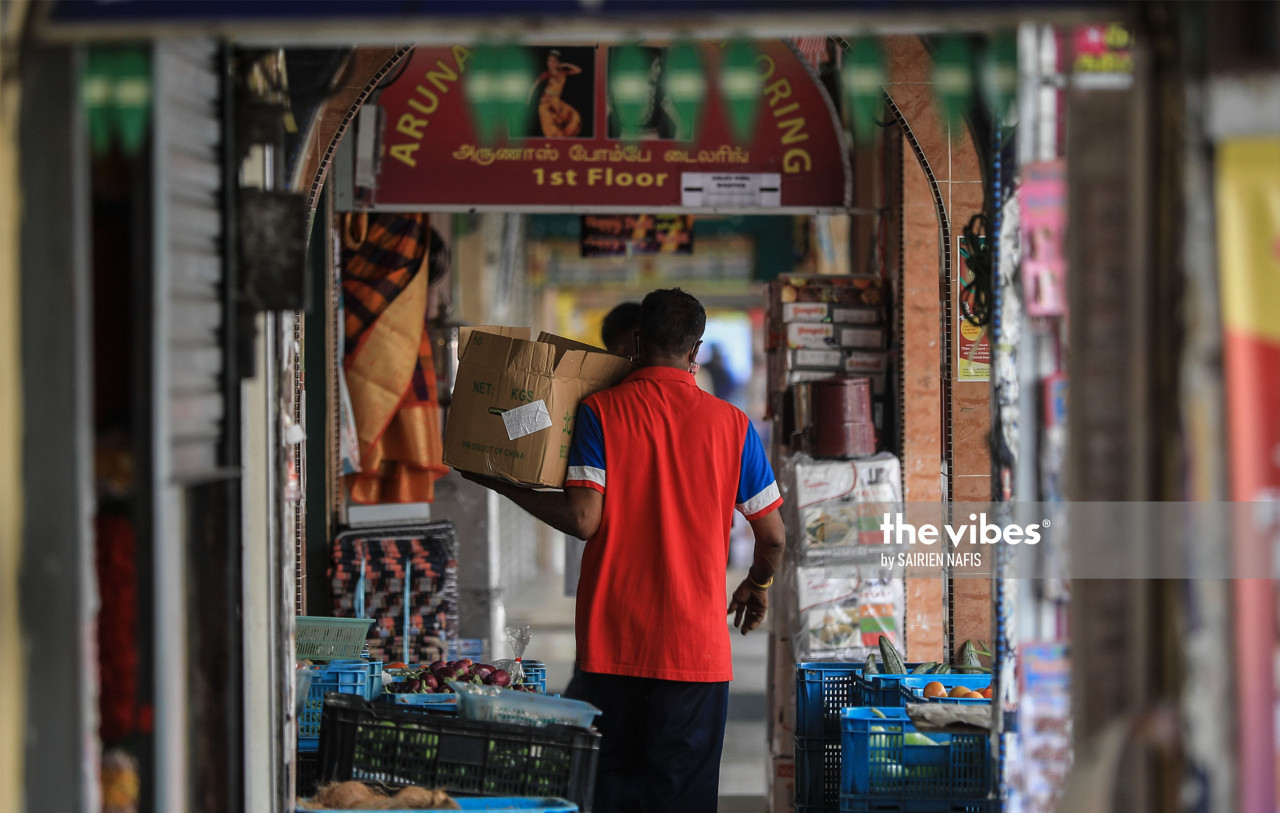
This situation is expected to get worse if the vaccination roll-out faces any delays.
In July last year, international news broadcaster Al-Jazeera aired a documentary depicting Malaysia’s treatment of undocumented workers during the pandemic.
The public backlash against Al-Jazeera and its journalists became news, with angry netizens saying the allegations of racism and discrimination against undocumented migrants are untrue.
Four months later, Malaysia’s treatment of migrant workers made headlines again, this time involving documented ones, or foreigners who sold everything for proper documentation to work in the country.
Recommendation
Due to the pandemic and economic downturn, there is an excess of both documented and undocumented foreign workers in Malaysia.
Hence, to consider bringing more into the country (via FWCMS) is perplexing, as the focus should be on reviving the economy, and addressing unemployment and job creation for Malaysians.
There needs to be a proper study on addressing issues relating to foreign workers here, and to question whether bringing in more will aggravate economic, social and political problems.
Why would we want to aggravate the situation, and who is pushing for this?
An unprecedented unemployment rate post-Covid-19 is expected among locals. A similar fate is expected for foreign workers, especially those who are undocumented. As a result, potential abuse and social issues may arise if no action is taken.
Allegations of human trafficking, money laundering, and mental and physical abuse involving foreign workers will definitely mar Malaysia’s reputation on the international front. The nation, which is known to be an all-embracing, foreigner-friendly country, and even protects and houses refugees, needs to have this as its lasting image.
Covid-19’s impact on local SMEs, businesses
SMEs and micro businesses make up about 98.5% of businesses in Malaysia. The Prihatin Rakyat Stimulus Package and other aid were seen as a good move to assist failing businesses, but they were only sufficient for the short term. The government is urged to come up with more sustainable forms of financial aid to ensure the longevity of local businesses.
Consequence
Foreign workers are an integral component of our labour market, and their importance to Malaysia’s economy is undeniable. Nevertheless, it is important to strike the right balance between the local and foreign workforce composition, to ensure a more sustainable labour policy that supports our economy’s long-term growth.
It is also timely to reassess our labour policy, thus allowing us to reset the play post-pandemic, in light of:
1. Providing more jobs to locals, especially with more youth becoming available, redeploying existing foreign workers and legalising undocumented ones.
2. The government should conduct an extensive study on the current labour market in Malaysia, in order to arrive at a decision on how best to move forward in relation to human resource management and its policy. No ad hoc actions should be allowed.
3. This study will require the combined effort of all government agencies, to mainly manage the existing human resources in the country and plan for the development of human capital needed for a brighter future.
4. This will include, but is not limited to, upskilling and reskilling local workers, and the redeployment of foreign workers to the relevant sectors.
5. Once these have been identified, the planning on hiring new foreign workers will be more cost-effective and bring a positive impact on the economy as a whole.
This holistic and comprehensive study is crucial to set the stage to intensify and speed up public health and economic recovery.
It is crucial for the government reassess comprehensively the overall labour situation, especially in the light of job losses due to the Covid-19 pandemic.
Citizens are struggling to survive, and the youth are getting more marginalised and restless.
Not only has the government suspended Parliament, but it is also not acting in a proactive and responsible manner to address the labour situation. – The Vibes, March 14, 2021
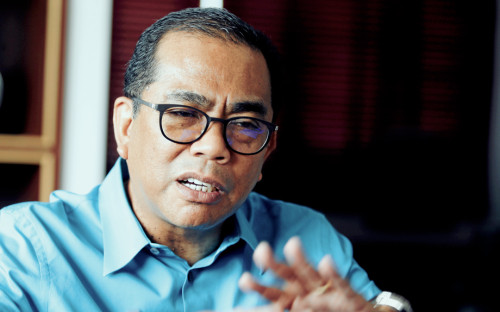
Datuk Raja Kamarul Bahrin Shah Raja Ahmad is a senator and Terengganu Amanah chairman