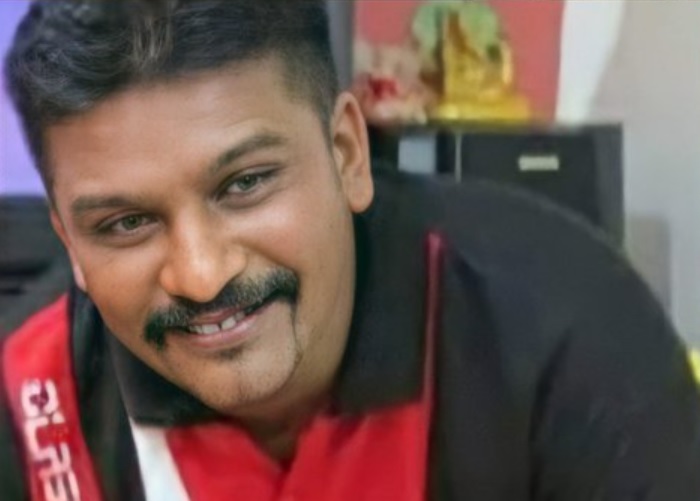
A. GANAPATHY was a 40 year old trader who sold cow’s milk. He was married with two children, 5 and 7 years old.
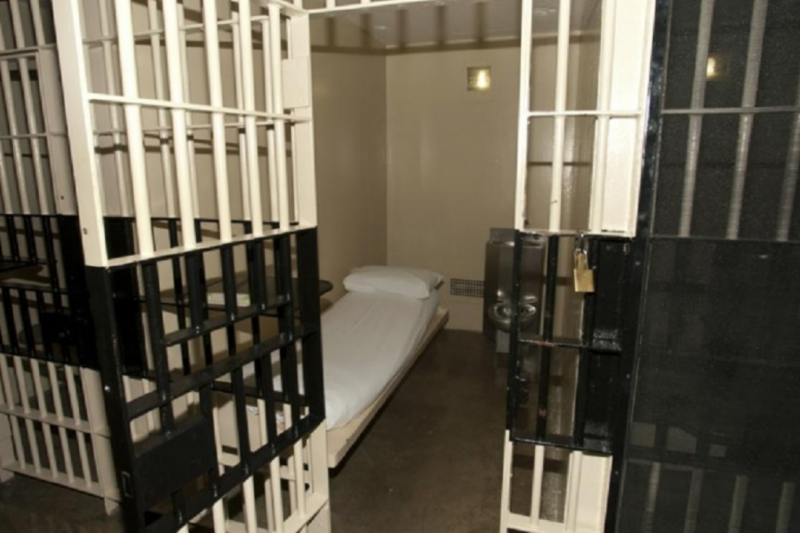
On February 24, he was arrested. By March 11, he had suffered such severe injuries, his leg was amputated.
On April 18, he died.
At every point in this timeline, questions can be asked that call into question the choices taken by the police. We must ask these questions, we must demand answers.
If he was meant to assist in an investigation, why was he detained? Why is the deprivation of liberty used seemingly so easily?
If Ganapathy was beaten – as he and his family say he was – what has led to this culture that allows one or several police officers to beat someone so brutally their legs are amputated, and they die?
Who witnessed this violence – from the choice to detain, to beating that was said to happen, to the choice to release him back to police custody from the hospital? What choices did they make that fostered, enabled, overlooked, ignored his suffering?
If Ganapathy was brought to the hospital four times over the course of 12 days, why was he allowed to be repeatedly sent back to the police custody?
Why was Ganapathy’s sister unable to see her brother when she went to pass him his medicines in prison?
Why was his mother S. Thanaletchumy informed that her son had fallen off a motorcycle, when her son had said he had been beaten? Why has the full autopsy report still not been received by the family?
What are the choices that are made over and over again to create a culture that fosters abuse, violence and deprivation of rights by the police, but the authorities, by all in power who enable, excuse, ignore, and/or choose not to change the culture of violence?
Remember that Ganapathy’s death did not happen in a vacuum.
There were 1,654 deaths in custody by authorities (including police) between 2010 to February 2017.
According to Suaram, only 9 police officers were charged in court for negligence or causing injuries or deaths between 2010 and February 2018. Two were convicted for minor offences while the rest were acquitted.
There is also a worrying pattern in those who are targeted. Malaysian Indians constitute 6.8% of the country’s population. Yet, official figures state that 23.4% of victims who died in police custody are Indians. The proportion of Indian victims recorded by Suaram, the country’s leading NGO in tracking custodial death cases, is more than twice as much, at 54.8%
IPCMC must be immediately implemented
The Independent Police Complaints and Misconduct Commission (IPCMC) must be passed and implemented now. After hundreds and hundreds of cases of people being brutalised by the police, the choice by the government not to enforce a robust, strong, independent police oversight and accountability commission cannot be excused. The choice not to act with urgency enables a culture of violence.
We call on the Malaysian public not to accept deaths in custody as a norm. There should not be any more cases like A. Ganapathy, 40 years old, or Balamurugan, 44 years old (2017), or Syed Mohd Azlan, 25 years old (2014), or Kugan Ananthan, 22 years old. (2009). We cannot accept this violence. No more, no more.
Legal recourse does not revive lost loved ones
A. Ganapathy’s family is suing the police over the death of their beloved son, brother, husband, father. Legal actions are difficult, resource consuming, they take a lot of time and energy – yet the family is trying to seek some kind of justice and accountability.
Even if they win, A Ganapathy is never coming back – his life has been snuffed out. All who loved him must live with the grief and pain of this horrible loss. As Malaysians, we need to ask ourselves – what will we do to ensure this does not happen again? How do make sure all in power no longer look away? How do we stop this culture of police brutality? What will justice look like, and how do we get there? – The Vibes, May 1, 2021
Amnesty International Malaysia plays a crucial role in casting a spotlight on human rights infringements in the country and globally