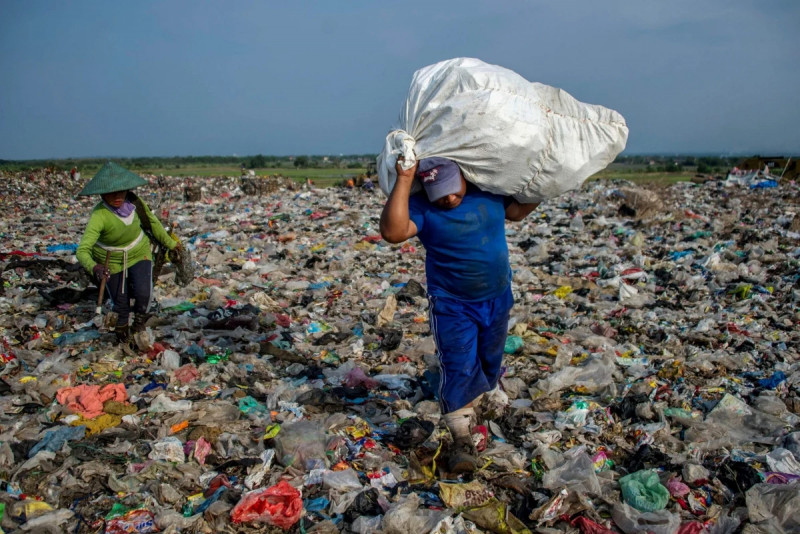
WHAT are the single-use plastic items used when you order a take-out of a pack of noodles? A simple meal of take-away noodles would usually comprise plastic bags to hold the noodles and soup separately, each tied with plastic strings, another small plastic package for chili, plastic spoon, chopsticks packed in plastic and a bigger plastic bag to hold all the separate items together.
And sometimes the soup, already packed in a plastic bag, will be placed in another clear container covered with an additional layer of plastic film. So altogether, that’s nearly 10 pieces of single-use plastic items, most of which will be thrown away even before the meal has started.
The global use of plastics has outstripped our ability to manage the waste stream. Now, with circumstances surrounding the ongoing and escalating Covid-19 pandemic, people are opting for take-outs and deliveries due to the movement restriction.
This, among others, causes a spike in packaging waste generation, which begs the urgency to have a waste management system that is able to take on the huge loads of this waste generation. The Thailand Environment Institute reported that plastic waste increased from 1,500 tons to 6,300 tons per day last year.
According to WWF’s Plastic Packaging in Southeast Asia and China report, the annual per capita plastic packaging consumption in Malaysia stands at 16.78kg. A study titled Extended Producer Responsibility (EPR) Scheme Assessment for Packaging Waste published by WWF-Malaysia in September 2020, estimated the total annual post-consumer plastic waste generation in Malaysia in 2016 at 1,070,064 tonnes.
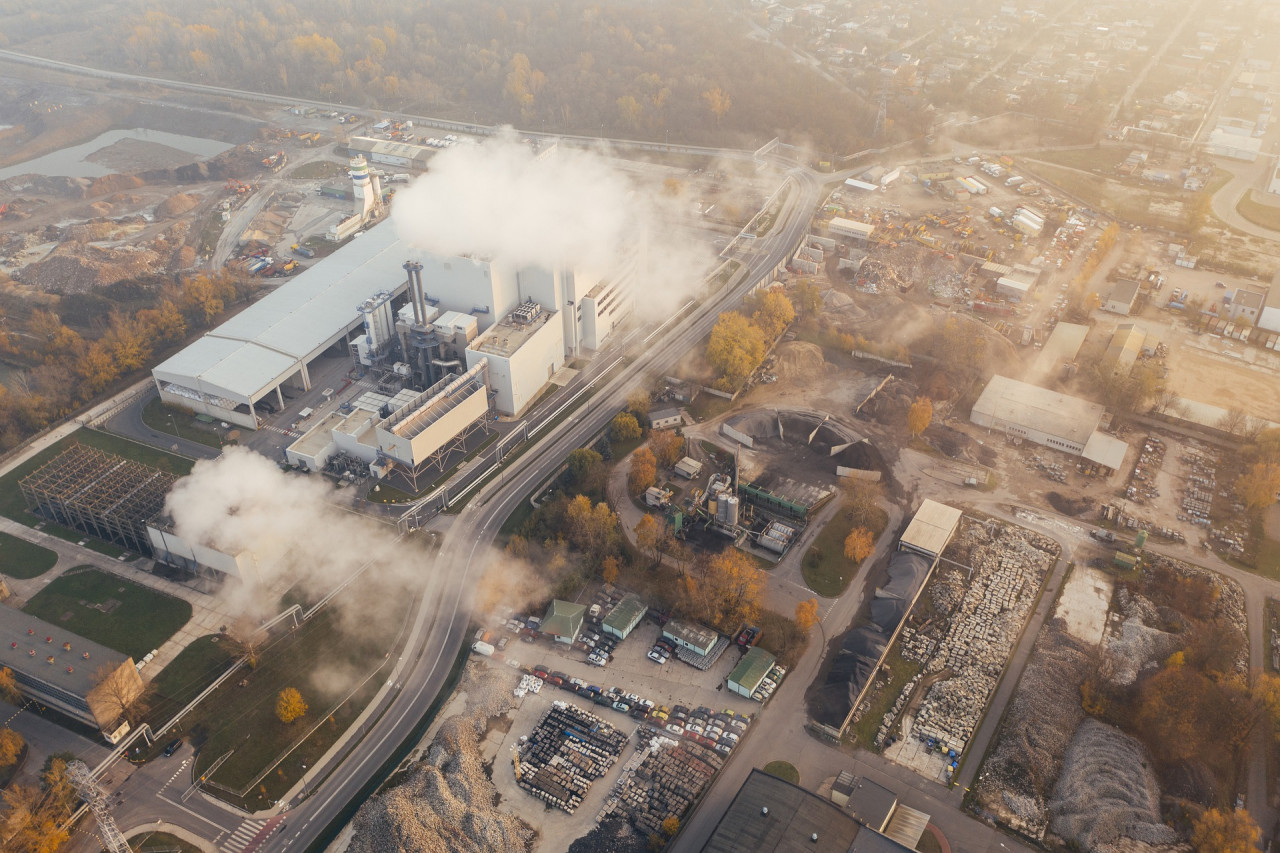
It was reported that Malaysia recycled about 24% of its plastic in 2019, an estimated one million tonnes per year of plastics was disposed of and 81% of the material value of plastics is lost, leading to a plastic material value loss of US$1 billion-US$1.1 billion (RM4.16 billion-RM4.58 billion) per year, based on a report by the World Bank.
Plastic supply chains overall have a considerable carbon footprint, from the extraction of fossil fuels to the disposal of plastic products. According to a report from CIEL, the plastic sector alone would consume up to 19% of the world’s remaining carbon budget to limit global mean temperature rise to below 1.5°C by 2040 under business-as-usual growth.
As the transportation and power industries are transitioning away from fossil fuel to renewable energy, there is still a growing demand for petrochemicals and oil from the plastic production industry. BP’s 2020 Energy Outlook forecasts that although the overall global oil demand will slow down, plastics will dominate the growth in use of petrochemicals as feedstock in plastics production through 2050 under business-as-usual practices.
The largest segment of demand growth for plastic production is predominantly single-use plastic. However, plastic demand and management are likely to see continuous evolution as the world begins to transition from a linear plastic system to a circular one.
Currently, the world’s plastic problem lies in poor designs of packaging that limit recycling and inefficient collection and processing of plastic products at the end of their life, which places responsibility and great costs on consumers, governments, or others at the end of the supply chain, rather than on the producers. If we look carefully at the packaging or plastic products we use daily, we will see a worrying number of pieces of different materials and layers of packaging, driven by marketing decisions.
Shifting the onus to producers
For decades, waste management has always been the responsibility of the public and government, and the system has proven to be highly inefficient. A revision of the existing system is crucial to demand greater responsibility from producers through an EPR scheme which holds producers accountable for end-of-life products.
The scheme requires governments to enact the EPR guidelines and regulations that mandate producers to ensure a clean and healthy environment beginning from the product conceptualisation to product design, to the main production, distribution, and collection phases. All in all, producers take greater responsibility throughout the entire lifecycle of their products and packaging.
Under the EPR, the responsibility of the manufacturer goes beyond waste treatment and recycling. The EPR scheme addresses at least four key issues that include waste avoidance, prevention and minimisation of material use; waste collection and sorting; material recovery, recycling and reuse; and proper treatment and disposal of wastes with minimal environmental and social impact.
Even though the issue of plastic waste management seems grim, there is a growing momentum for solutions by all sectors. Commitments to a circular economy are gaining traction and there is a growing appetite for change. Policymakers are enacting stringent regulations and policies to address plastic pollution.

In Malaysia, some of the more progressive enterprises are proactively incorporating circularity in their products and packaging by switching to recyclable and recycled materials and adapting a reuse model: a voluntary producer responsibility organisation, known as the Malaysia Recycling Alliance (MAREA), which is an alliance of several consumer brands, was formed to drive the EPR scheme establishment.
In addition, the Environment and Water Ministry announced the formation of the Malaysia Sustainable Plastic Alliance (MaSPA, previously known as Malaysia Plastic Pact) in 2020, a multi-stakeholder platform that encourages key players along the plastic value chain to commit to the national targets. An EPR working group was established to champion national EPR discussions and implementation.
The development of the Circular Economy Roadmap for Plastic is also in progress. The Roadmap aims to transition the market away from linear economy to keep plastic products and materials circulating in use for as long as possible, while offering new ways to mitigate risks to allow the plastics industry to evolve and diversify.
In recent years, a considerable amount of financial institutions (FIs) and investors’ actions related to plastics and the circular economy indicate a growing interest in the issue of plastics pollution, is set to change the business outlook.
The financial risks and opportunities arising from plastic action and inaction can be substantial, with the potential increase of operational and compliance costs arising from the imposing of green taxes, bans, trade restrictions by governments on national and regional level.
FIs are now closely assessing plastics-related risks and supporting companies to effectively communicate and disclose plastic impacts in their environment, social, and governance related reporting.
Based on the Breaking the Plastic Wave report, the plastics problem is so large that simply expanding waste collection, landfill, incineration, and recycling is a false hope. The most significant step would be to combine these downstream measures with an absolute reduction of plastic in the system. The time to act is now. – The Vibes, July 4, 2021
Jazlyn Lee is a SEA regional coordinator for the EPR project that is part of WWF’s No Plastic In Nature by 2030 Initiative. She drives engagement with businesses and governments in targeted countries in Southeast Asia to build a collective action and systemic approach to address plastic pollution. Jazlyn holds a Master’s Degree in Economics from Universiti Malaya