PERHAPS we've been doing justice all wrong.
For centuries, we've wasted fortunes building courtrooms, appointing judges, examining witnesses and testing evidence.
What fools.
Apparently, all you really need is a prime-time television slot a few days before the vote.
If that's where we're headed, let's stop pretending.
Let's replace the International Criminal Court with Netflix.
Retire the judges.
Cancel the hearings.
Forget evidence.
Whoever delivers the better interview wins.
Ratings are, after all, much cheaper than due process.
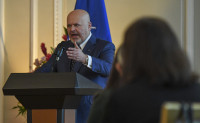
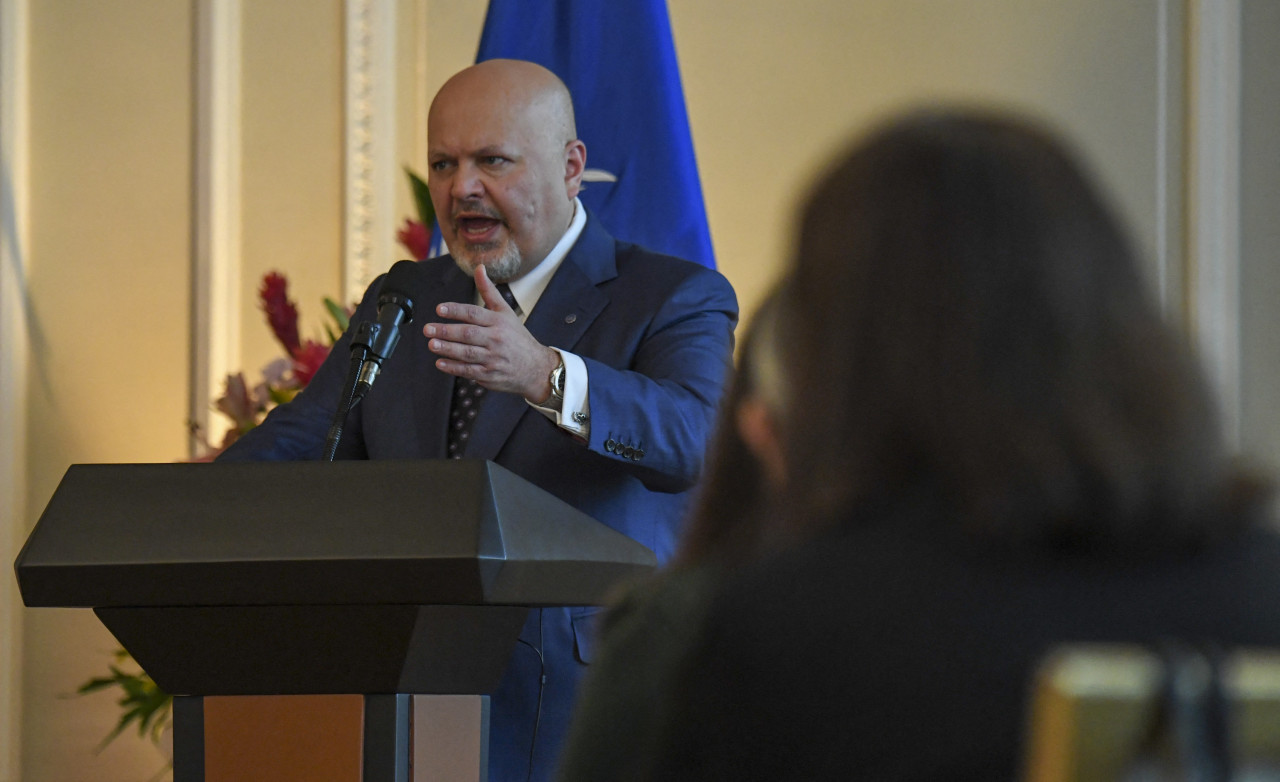
The Karim Khan saga has become something stranger than law. It has become entertainment.
Not because the allegations aren't serious—they are.
Not because complainants shouldn't be heard—they absolutely should.
But because somewhere along the way, television began behaving as though it could finish a case already examined by people whose actual job was to examine it.
An independent panel spent months reviewing the evidence.
Television spent an hour.
Guess which one travelled faster.
Modern outrage has developed an extraordinary appetite.
An accusation is breaking news.
An investigation is a footnote.
A finding that allegations were not established barely survives a news cycle.
Apparently, innocence—or more accurately, insufficient evidence—is terrible television.
There is no soundtrack.
No dramatic lighting.
No viral clips.
Just boring old due process.
How terribly inconvenient.
Perhaps this is the new business model.
Run the accusation.
Run it again.
Find a better camera angle.
Add a dramatic soundtrack.
Ask viewers to "decide for themselves."
Then quietly move on when the lawyers have finished doing the dull work of examining evidence.
Because evidence has one fatal flaw.
It gets in the way of a good story.
Here's a radical thought.
Perhaps media organisations should exercise the same restraint they routinely demand of everyone else.
If politicians shouldn't poison juries...
If corporations shouldn't manipulate investigations...
If governments shouldn't pressure courts...
Perhaps television should think twice before becoming the loudest voice in the room days before a vote that could reshape one of the world's most important judicial institutions.
Freedom of the press is one of civilisation's greatest achievements.
But with freedom comes responsibility.
When journalism begins influencing proceedings rather than reporting them, something precious is lost.
Not because journalists asked difficult questions.
But because the camera starts believing it is the judge.
The law exists for a reason.
Evidence exists for a reason.
Judges exist for a reason.
If the most effective way to overturn an independent process is not an appeal, but a television interview timed for maximum impact, perhaps we've discovered the cheapest court in history.
No robes.
No witnesses.
Just better lighting.
Roll camera.
Justice is live in three... two... one... – July 20, 2026
Abbi Kanthasamy is an entrepreneur with a passion for photography and travel.