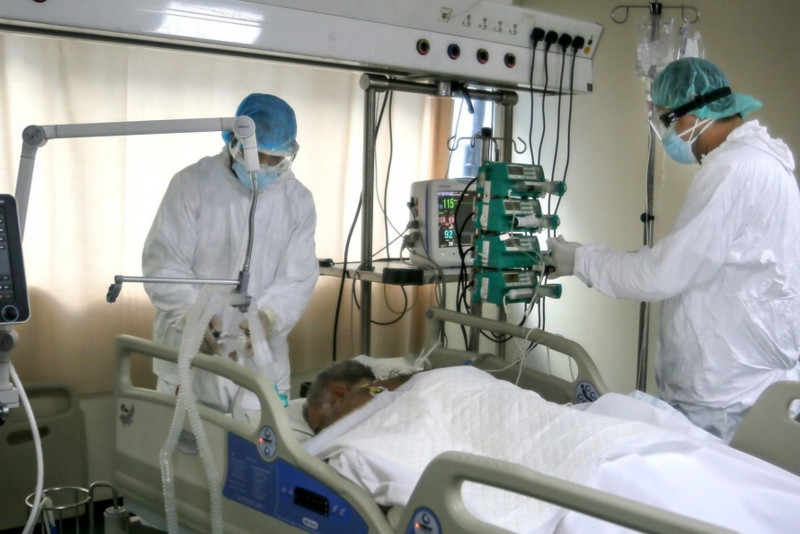
BEING a doctor is demanding. It demands hours of sacrifice, it demands constant self-development, and it demands physical and emotional endurance.
After all, we are dealing with human lives everyday – improving them and saving them.
Which is why it is disheartening to hear the news of a fresh junior doctor falling to his death just three weeks after reporting for duty.
His death is a matter of investigation as well as speculation where those of us in the fraternity can only make informed guesses of what could have happened.
Our work schedule has led some doctors into requiring psychiatric treatment, and for others quitting as the best option.
The long hours alone could honestly test the resilience of the most hardcore. Junior doctors are sometimes at work as early as 4am and leave as late as 1am, only to repeat the cycle the next day.
It is anyone's guess what risks patients are put into when attended to by fatigued doctors.
There are countless numbers of patients to be reviewed and for each a myriad of tasks to get done before the end of the work day, or risk being yelled at by superiors for incomplete reports and tasks.
Sometimes junior doctors get through the day without a single bite or a drop of water. It is the nature of the job where patients’ needs always come first.
Then you have the toxicity of the workplace. Regularly being yelled at for not knowing the answer to a question or merely hesitating to reply; or consistently being reminded that we went to medical school for five years only to amount to nothing; or judging our abilities and competencies solely based on where one received his or her medical degree. Russian graduates have it worse.
Sometimes it isn’t even about the reprimand. It’s the delivery. “Kepala hotak kau”; “kau ni bodoh ke apa?”; “do you want the patient to die?”
Who wants anyone to die? That’s what we are here for, aren’t we? To hone skills and improve our knowledge to improve the longevity of our patients?
Then we hear about inappropriate remarks, the unprofessional behaviour, the sexual innuendos.
We have heard some of these stories, but there are many that go untold.
Many times junior doctors keep silent only because we don’t want more trouble or being “marked” for the rest of the duration of the housemanship training.
We are sometimes made to feel useless and hopeless. And for a lot of junior doctors, this is the first time that we are thrown into the working-adult world.
We know nothing else than our dormitories and textbooks.
There are no coping mechanisms or outlets. There isn’t even time for one. Hardly any time at all for family and friends.
This is for two years, granted one did not get extended during one's rotation. What makes this worse? We are now all contract doctors, with no clear sight of what our future holds.
We get up, go to work, and hope the rug isn’t pulled away from below our feet. Is all of this necessary?
Make no mistake, we all know what we signed up for – the long hours, the modest paycheck and the highly stressed environment where a moment's decision can be the difference between life and death.
For the most part: yes, it is a vigorous exercise to learn responsibility and to learn how to keep a patient alive. What we did not sign up for is the emotional abuse and toxic working environment.
There are a lot of things that need to be changed for a healthier work environment. One where junior doctors aren’t afraid to go to work, one where we are able to seek the help we need and an environment where we can truly become better versions of ourselves to help others in need. – The Vibes, May 6, 2022
The writer serves at a government hospital