TRAVEL and tour operators are required to attend a travel and tours enhancement course before they can renew their business operating licences with the Tourism Ministry.
One of the training slides lists 17 tourism segments, which include agrotourism and ecotourism. While agrotourism offers visitors an assortment of activities related to the agriculture sector and the segment’s name is clear, ecotourism has often been wrongly misconstrued by many.
While it is true that ecotourism is nature-based, many such activities have been mislabelled as ecotourism, which means nature-friendly tourism. Therefore, it is not ecotourism when visitors cause destruction to the natural environment by harming or taking away what they fancy.
In a bid to attract more domestic and foreign visitors and boost its tourism industry, Perak has become the first state in the country to introduce the biblio-tourism concept in its public libraries, which was proclaimed by the Perak State Public Library Corporation (PPANPk) recently.
But what is biblio-tourism? How many people would visit a city or town and prefer to spend time cooped up inside libraries instead of enjoying the sights, sounds, smells, tastes, food, shopping and fun out in the open, and take in the experience of what the destination has to offer?
PPANPk director Rafidah Abdul Aziz said: “Biblio-tourism combines travelling and the love for libraries in which tourists will make libraries their source of reference and guide through books and other information available.
“The Kuala Kangsar and Taiping libraries were chosen because both locations are rich in historical value and are among the top destinations for domestic and foreign tourists.”
Rafidah disclosed that efforts to realise the concept were supported by Tourism Perak, the National Heritage Department, and the Museums Department.
“This is to ensure all materials provided at the libraries can help visitors obtain authentic and complete information.”
True, biblio-tourism may be popular for the hardcore at the Vatican Library, British Museum Reading Room, Bodleian Library at Oxford University, New York Public Library, Library of Alexandria in Egypt, and Marciana Library in Venice. All have existed for centuries.
Today, digital libraries are great for tourism planners and consumers, and they play a strategic role for the newest tourist generations. But to use biblio-tourism to promote tourism in our country would be stretching it too far, as there are many more effective ways to attract visitors.
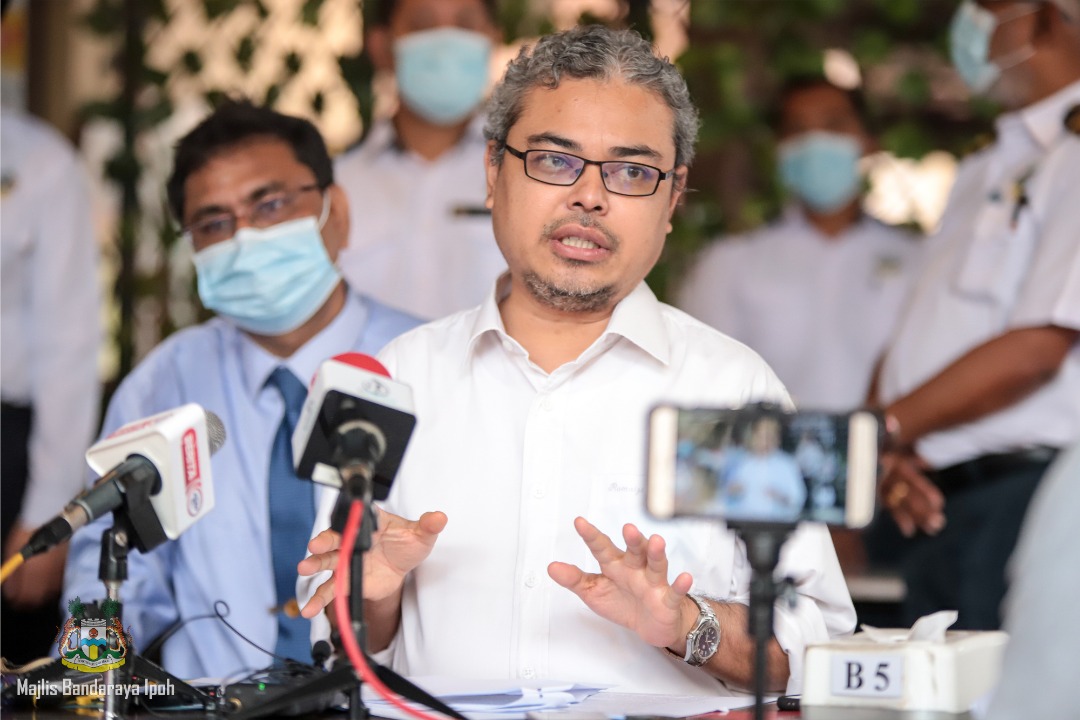
For example, Ipoh mayor Datuk Rumaizi Baharin recently said the facades of buildings in the Ipoh Tourism Triangle would be preserved except for the interiors, which would be modernised according to current trends.
“In Ipoh Old Town, our focus will be divided into two aspects. One is related to heritage tourism and the other is the ‘hipster concept’.
“We will focus on these aspects to attract more tourists to the state. We have gazetted old buildings in Ipoh Old Town, so we must preserve them. In London, for example, all of the facades of the old buildings are retained but not the interior parts.”
However, we should not copy wholesale. While hipsters are attracted to classy joints, they look pretty much the same everywhere. Ipoh must retain its old-world charm that is unique to the city and found nowhere else, and this includes its original inhabitants and their lifestyles.
It would be better not only to retain the interiors as much as possible, but also encourage occupants of old shophouses to stay and carry on with their traditional trade and livelihood. Many could prepare foods and cakes using family recipes and would be popular with visitors.
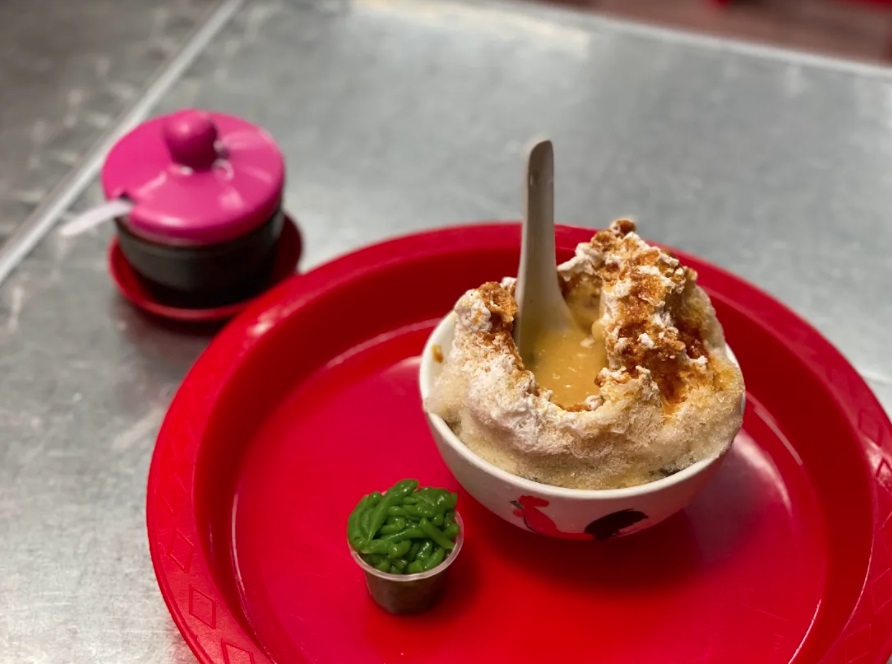
If not, they could easily source them from their neighbourhoods for sale as takeaways or dine-ins, by placing a few tables and chairs, with customers also served coffee, tea, Chinese tea or other beverages; or cendol, bubur cha cha and many other favourites that could easily be prepared.
In Malaysia, big or small towns could attract a large number of visitors by constructing huge sheds with ample parking nearby for outstation motorists to park, shop for local produce, and enjoy the best food in town.
Without such a one-stop tourism centre, passing motorists will have to look for something that catches their attention, and then drive off when they see nothing interesting, without realising they have missed some of the best food in town for dining in or taking away.
Also, almost every town has local produce that are considered must-buys. They could be locally grown fruits or vegetables, locally produced snacks or confectioneries, dried or frozen foods, handicrafts or souvenirs, and many other edible or non-edible items.
In such one-stop tourism centres, local produce must be given top priority, as they make each of these community-based tourism facilities different and interesting. Only if space is available, can produce from other states be offered. No imported things should be allowed for sale here.
The municipal councils must also be fair to allow non-halal food to be sold, as these hawkers can be segregated. This would contribute immensely towards the success of tourism centres and the best way to boost domestic tourism, which could also be popular with foreign visitors.
While bar-hopping may be a favourite pastime in Western societies, it would be fun for both domestic and foreign visitors to go town-hopping here, after many such tourism centres are built to provide the very best each town can offer, all centralised for the convenience of customers.
There is no need for sloganeering, although Malaysia Truly Asia was a truly great slogan. Launched in 1999, it implied that visitors could experience much of Asia in Malaysia, as no other country has Asia’s three major races: Malay, Chinese, and Indians, plus various ethnic groups in large numbers.
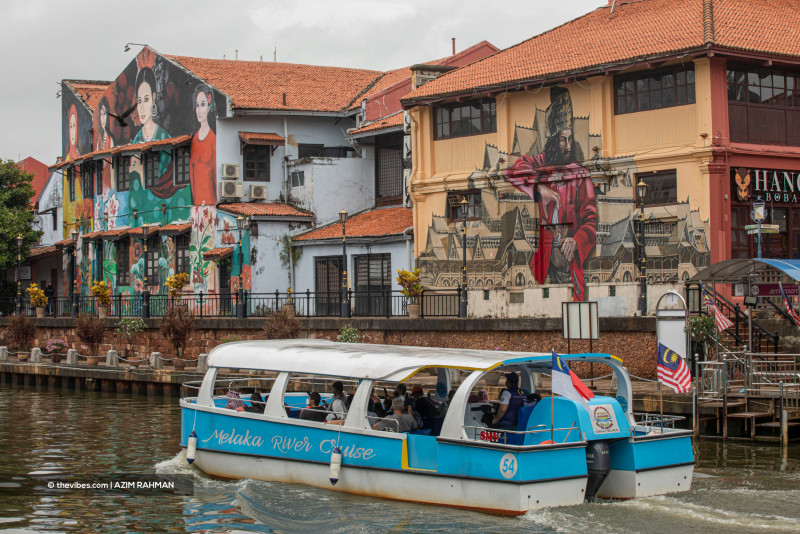
But Malaysians who have studied history ought to have a deeper understanding. Those who do would know for a fact that we had a city that was truly Asia more than 500 years ago when the first Europeans visited Melaka in 1509.
The Portuguese loved what they saw and came back two years later to take over and stayed for 130 years until they were driven out by the Dutch.
In its heyday, Melaka was the largest port in Southeast Asia, where 84 languages were spoken by its ethnically diverse merchant population. To administer the cosmopolitan marketplace, the traders were grouped according to region and placed under one of four shahbandars.
And so Melaka Truly Asia had long been a fait accompli and not just an unfounded claim. Today, all our towns have the potential to draw a large number of tourists just by building tourism centres and running them fairly, without having to use slogans or obscure tourism segments. – The Vibes, January 17, 2023
YS Chan is a master trainer for Mesra Malaysia, travel and tours enhancement courses, as well as Asean Tourism. He is also a tourism and transport business consultant