
We have heard it all before. Cash is King, money brings you this, money brings you that or in Johor Darul Ta'zim FC's (JDT) case, money brings you success.
But does everything really boil down to deep pockets?
Sure money helps in getting the big-named supposedly better players, build infrastructures and hire better non-playing personnel. It's the same anywhere you go, be it a football club or a corporate company. Remember that if you pay peanuts, you get monkeys.
Yet what if you don't know who to hire? What if you don't know what to build? What if you have either no clue or half-baked ideas on how to manage and/or develop a football club?
It gets you nowhere. Manchester City and Paris St-German, for all their money, have yet to win the UEFA Champions League. Manchester United are still finding their feet post Sir Alex Ferguson despite spending a large chunk on transfers and wages in recent seasons.
Perhaps it's a different scenario in lowly ranked Malaysia where top-level consistent players aren't many and most end up or want to be at JDT for plenty of reasons including never having to worry about a pay check being delayed and training in the best football environment in the region. Thus leaving a gulf in standards among teams.
While dominating the domestic scene with this 'supposed advantage', JDT have also unprecedentedly made waves in Asia too by winning the 2015 AFC Cup (a first from East Asia) and giving Asia's elite a run for their money in the AFC Champions League.
JDT could pay the same wages to players as other domestic teams, which is the case for some players judging from leaked salaries in the past, and still be a player's preferred destination because of pulling factors such as world-class facilities, opportunities of playing in Asia's highest club competition, being in an efficiently run organisation, training with the best players day in day out and knowing you'll get paid promptly.
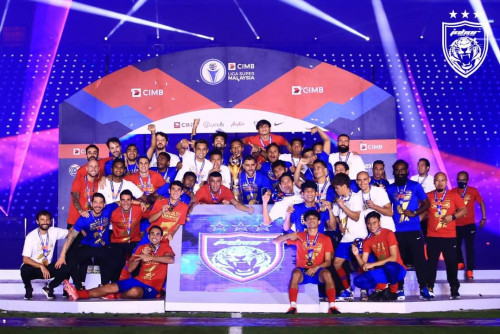
But how is this JDT — a nearly 8-year-old club — buying success when many competitors have failed to get their act right off the pitch despite being in existence for decades or some nearing a century?
There have been other big-spending domestic teams in the past. Selangor have had money; Pahang had their fair share. Felda United and ATM spent big for several years in the past decade. Kedah were paying some of their stars fix-six figured salaries based on a leaked document two years ago. None have been as consistent as JDT on the pitch nor have there been long-lasting structures. Apart from Felda, none have their own stadium. Most teams don't even have a training ground let alone proper facilities.
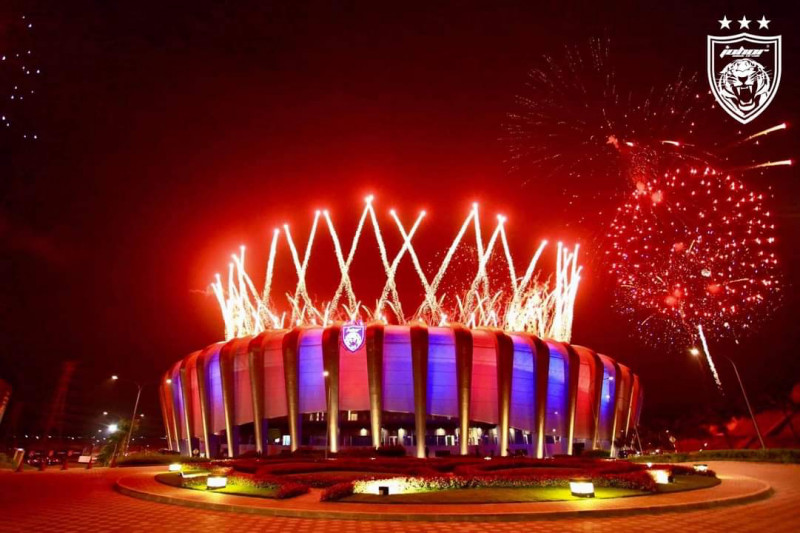
In less than eight years JDT have invested in world-class facilities for senior and junior teams with well-maintained pitches, a stadium and a real football academy where trainees live, study and train together on a daily basis throughout the year. JDT have built a football eco-system that is meant to last long-term.
What do most teams have apart from their past occasional short-lived success on the field and inconsistent vague challenges to JDT's dominance in the present?
Nothing much.
Some teams are taking baby steps at present but having for years spent the majority of their annual budget on putting out a strong first-team instead of infrastructure and development, JDT have taken giant leaps ahead in the industry.
Until and unless teams start spending within their means, including investing a decent amount for development and proper football infrastructures, the HRH Major General Tunku Ismail Ibni Sultan Ibrahim, Crown Prince of Johor led JDT are set to remain the sole powerhouse of Malaysian football. The Vibes, 8 October, 2020.