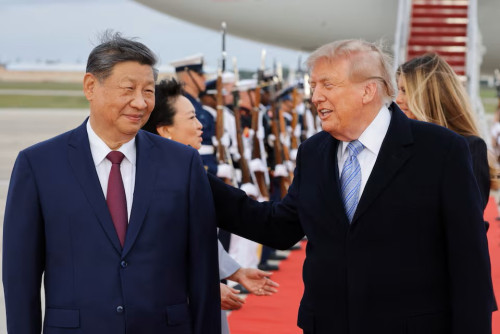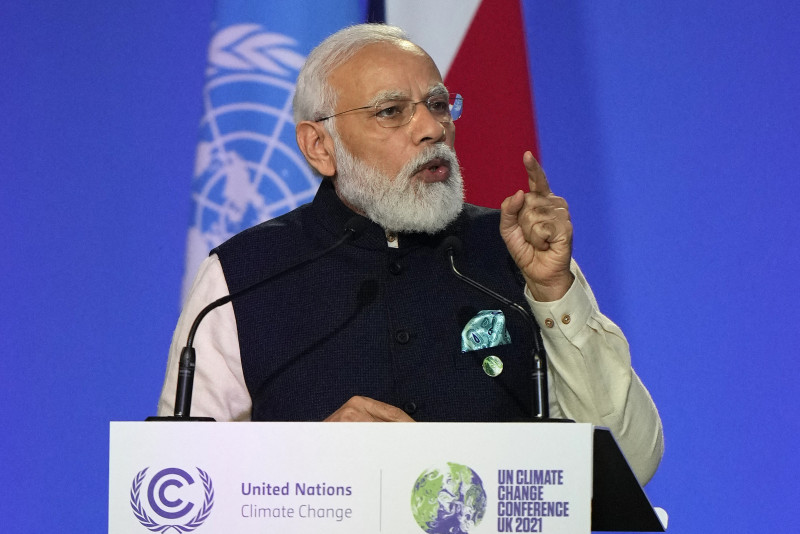
INDIAN Prime Minister Narendra Modi is set to meet U.S. President Donald Trump this week, with plans to announce additional tariff cuts that could boost American exports to India and help avoid a potential trade conflict.
The two-day visit, starting Wednesday, comes as Trump prepares to impose reciprocal tariffs on a range of countries, including India, as part of his broader trade agenda.
Trump, who has previously criticised India’s trade practices, has referred to the country as a “big abuser” of trade and called on India to purchase more American-made security equipment. The meeting aims to address these concerns and create a path toward more balanced trade relations.
To avoid escalating tensions, India is considering tariff reductions across a wide range of sectors, including electronics, medical and surgical equipment, chemicals, and other goods.
These cuts would align with India’s goals to enhance domestic production capabilities while also creating more opportunities for U.S. exports, according to unnamed government sources familiar with the matter.
Trade ties between India and the United States have been steadily growing over the past decade, with Washington increasingly viewing New Delhi as a counterweight to China’s expanding influence in the region. Modi's visit is seen as an opportunity to further strengthen this partnership.
In a statement released ahead of his trip, Modi emphasised that the visit would build on the successes of the U.S.-India relationship during Trump's first term. He specifically mentioned technology, trade, defense, energy, and supply chain resilience as key areas for deepening cooperation.
Concessions under consideration include tariff reductions on goods such as dish antennas and wood pulp, items that India either imports from the United States or has the potential to increase imports of.
These moves are aimed at addressing Trump’s concerns and creating favourable conditions for U.S. exports to India.
The two countries’ bilateral trade exceeded US$118 billion in the 2023-2024 fiscal year, with India posting a trade surplus of US$32 billion. Despite this strong trade relationship, Modi’s meeting with Trump comes amid ongoing tensions related to the deportation of Indian nationals from the United States, which has cast a shadow over the discussions, Reuters reported today.
The potential for a "mini trade deal" may also be on the table, with India expressing openness to such a pact as a way to avoid a trade war-like scenario similar to the ongoing U.S.-China trade conflict.
India's recent budgetary changes, including a reduction in average import tariffs from 13% to 11% on several items and cuts in taxes on luxury cars and high-end motorcycles, are seen as a response to global trade pressures. The government is also reviewing surcharges on more than 30 items, including solar cells and luxury vehicles.
Concerns are growing within India's metal industries, as Trump's proposed 25% tariffs on steel and aluminium imports could significantly impact Indian exports. A substantial portion of India’s engineering goods exports, including steel and aluminium, is at risk, with an estimated $25 billion worth of products potentially affected by the tariffs. Industry officials are awaiting the outcome of Modi’s meeting, hoping for an amicable resolution.
In the stock market, Indian metal shares have suffered losses, with the broader benchmark indexes falling by 0.8%, and the metals sector dropping 3% in response to news of the looming tariff changes.
As Modi prepares to address these key issues with Trump, the outcome of the meeting could have significant implications for both nations' trade futures. – February 10, 2025