SINGAPORE is expanding the breadth and depth of its diplomatic partnerships, upgrading relations with Australia and New Zealand to the highest strategic levels as part of a long-term agenda to reinforce regional cooperation and economic resilience.
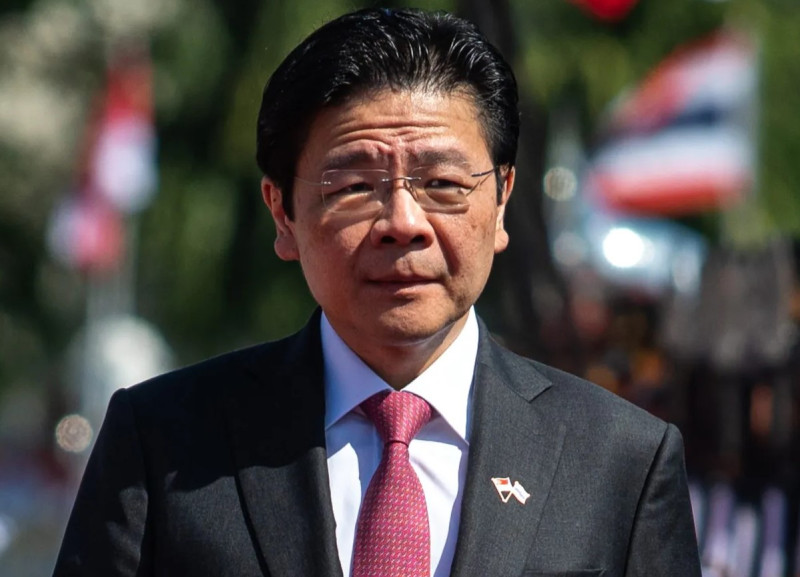
Speaking at the conclusion of his six-day visit to both countries, Prime Minister Lawrence Wong said Singapore’s decision to elevate ties was never symbolic, but driven by substance and shared ambition.
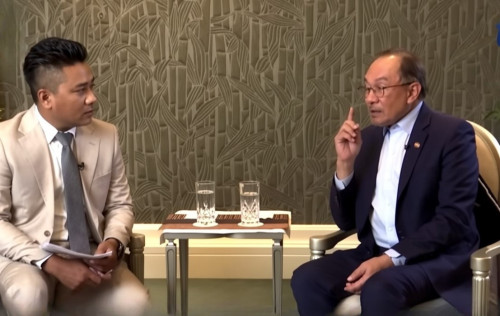
“We take partnerships with other countries very seriously,” The Straits Times quoted Wong saying in a wrap-up interview on 10 October. “If the relationship is very substantial, then it deserves an upgrade… If it is already an existing CSP partner and the initiatives are mature, then it’s time to refresh them.”
The trip saw Singapore enhance its Comprehensive Strategic Partnership (CSP) with Australia to a ‘CSP 2.0’ and establish a new CSP with New Zealand, upgraded from the previous Enhanced Partnership.
These high-level partnerships, already in place with countries such as France, India and Vietnam, are designed to drive broad cooperation across key sectors. With Australia, CSP 2.0 will cover defence, sustainability, the green and digital economies, and emerging technologies such as artificial intelligence.
With New Zealand, the partnership will span trade, innovation, security and supply chain resilience.
“These are not vanity labels. We make sure there is real substance behind the titles,” Wong said, adding that each CSP sets a 10-year agenda of collaborative initiatives.
Engagement Beyond the Regional Giants
While Asian diplomacy often gravitates toward regional giants such as China, India or advanced economies like Japan and South Korea, Wong said it is critical not to overlook the strategic value of Australia and New Zealand.
“They are both open, advanced economies, highly complementary to Singapore in areas like connectivity, sustainability and technology,” he said. “There’s a lot more we can do together – harmonise standards, streamline business processes, and bring our business communities closer.”
Both Australia and New Zealand also view deeper integration with Southeast Asia as a strategic imperative, said Wong, noting that they see their long-term future rooted in Asia.
“They don’t just want to engage the big powers. They regard ASEAN as a vital pillar,” he said. “Singapore can be a gateway for them to engage ASEAN more intensively.”
This aligns with Singapore’s broader interest in fostering an inclusive and open regional order, he added.
“We don’t want a world divided into exclusive blocs or spheres of influence,” Wong said. “We want a region that is open, inclusive and where many powers have a stake. Our partnerships with Australia and New Zealand help enable that.”
Real-World Impact for Singaporeans
When asked how high-level agreements translate into everyday benefits, Wong acknowledged that much of the initial engagement is with businesses, who are key beneficiaries.
But for ordinary Singaporeans, the real test is whether such cooperation leads to better outcomes in their lives.
“All that we are pursuing are means to an end,” said Wong. “Rather than dwell on the mechanisms, we want concrete actions that lead to better outcomes – jobs, stable prices, a stronger economy. These are what people will experience.”
He also pointed out that agreements on essential goods with Australia and New Zealand will help guarantee food and resource security during future crises – a lesson underscored by the pandemic and recent global disruptions.
Wong’s visit marks his first major overseas engagement since becoming Prime Minister, setting the tone for a foreign policy agenda that blends pragmatic economic interests with a clear emphasis on inclusive regional cooperation and strategic resilience. - October 11, 2025