THE Israeli military has confirmed the receipt of two more bodies believed to be hostages held in Gaza, but tensions escalated on Wednesday after it emerged that a body handed over by Hamas earlier in the week did not match any missing hostages.
AP cited that the Red Cross facilitated the return of the latest remains today, which have been transferred to a forensic laboratory in Tel Aviv. However, Israeli authorities said the identities of the deceased had not yet been verified.
Meanwhile, the Gaza Health Ministry reported receiving 45 more bodies of Palestinians from Israel, bringing the total number returned to 90 under the current ceasefire agreement. Forensic experts in Gaza said the latest bodies showed evidence of mistreatment.
“There are signs of torture and executions,” said Sameh Hamad, a member of the commission handling the return at Nasser Hospital in Khan Younis. “Some arrived with their hands and legs cuffed. Most had bands around their necks. One had a rope tied around it.”
The victims, all men between the ages of 25 and 70, were mostly in civilian clothing, although a few wore uniforms indicating they may have been militants.
The ceasefire deal — brokered with support from the United States — stipulates the release of both living and deceased hostages. A total of eight bodies have now been returned by Hamas this week, following the release of the final 20 living hostages on Monday.
However, confusion arose when the Israeli military announced that forensic testing had confirmed that one of the bodies handed over on Tuesday was not a hostage. There was no immediate clarification on the identity of the deceased.
This is not the first such incident. During a previous truce, Hamas returned what it claimed were the remains of Shiri Bibas and her two sons, abducted during the October 7, 2023 attacks. Subsequent testing identified one body as that of a Palestinian woman. Bibas’ body was returned a day later.
Unidentified Dead and Delayed Identification
The Palestinian Health Ministry released images of 32 unidentified corpses to assist families searching for missing relatives. Many of the bodies appeared burned, decomposed or dismembered. Some were covered in sand and lacked identifying features, complicating identification in the absence of DNA testing equipment, which Israeli restrictions have blocked from entering Gaza.
Hamad said the Red Cross had only been able to provide names for three of the bodies.
Outside the hospital in Khan Younis, Rasmiya Qudeih, 52, waited anxiously to see if her son was among the dead. He disappeared during the Hamas-led attack on 7 October 2023.
“God willing, he will be with the bodies,” she said.
Diplomatic and Military Pressures Mount
Israeli Prime Minister Benjamin Netanyahu vowed that Israel “will not compromise” on the return of hostages, living or dead. The ceasefire terms required Hamas to hand over all remains by Monday, or share information on their whereabouts.
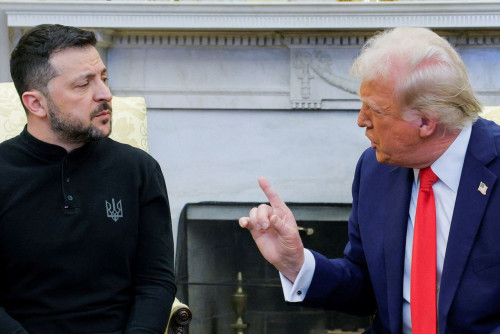
U.S. President Donald Trump, who oversaw the ceasefire agreement, warned in an interview with CNN that Israel could resume military operations if Hamas fails to comply.
“Israel will return to those streets as soon as I say the word,” Trump said.
Two senior U.S. advisers told reporters that Hamas has pledged, via intermediaries, to continue cooperating with the return of deceased hostages.
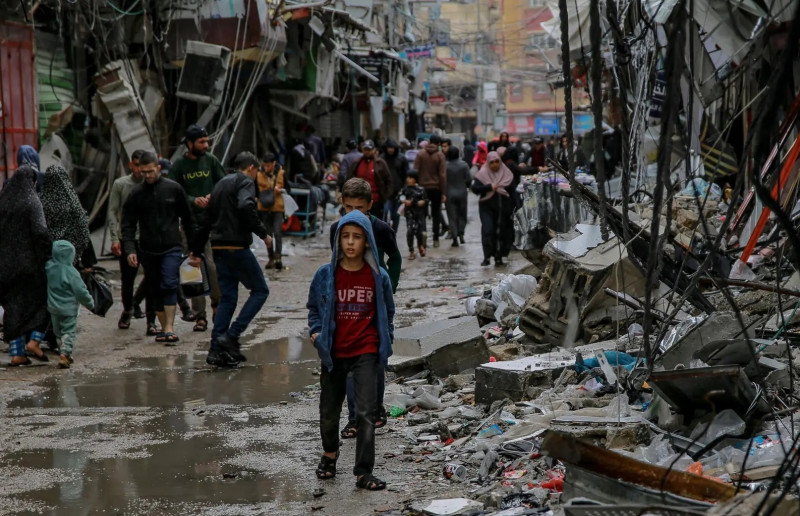
However, the widespread devastation in Gaza has made the recovery of bodies difficult, with rubble and unexploded ordnance hampering efforts. Some bodies are reportedly in areas now under Israeli control.
Aid Arrives Amid Restrictions
The World Food Programme resumed aid deliveries to Gaza on Wednesday, following a two-day pause linked to the body exchange and a Jewish holiday.
Despite the ceasefire agreement including provisions for increased humanitarian aid, Israeli authorities have said they will limit the number of aid trucks entering the territory, accusing Hamas of delaying the return of hostages’ remains.
The Egyptian Red Crescent reported that 400 aid trucks carrying food, fuel and medical supplies were bound for Gaza, though Israeli authorities declined to confirm how many would be allowed through.
As the ceasefire teeters and mistrust mounts on both sides, the bodies — both Israeli and Palestinian — are becoming not only a grim reminder of war, but also a battleground of competing narratives, accountability, and dignity for the dead. - October 16, 2025