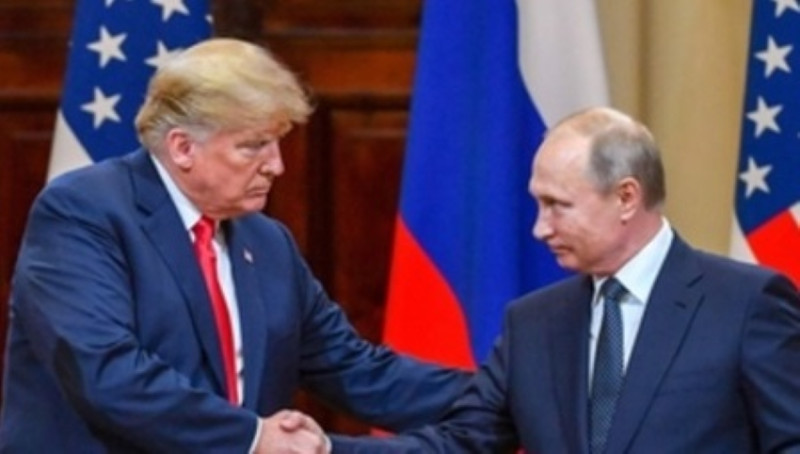
THE United States has imposed sanctions on Russia’s largest oil companies, Rosneft and Lukoil, marking a decisive shift in Washington’s approach amid continued hostilities in Ukraine and a cancelled summit between President Donald Trump and Russian President Vladimir Putin.
Reuters reported on Thursday that the sanctions aim to curtail Moscow’s ability to finance its war effort as Russia conducts extensive military exercises involving strategic nuclear weapons.
The sanctions were announced shortly after plans for a Trump-Putin summit fell through, with Trump explaining that he cancelled the meeting because “it didn’t feel right to me.”
U.S. Treasury Secretary Scott Bessent emphasised the urgency of ending the conflict, stating, “Now is the time to stop the killing and for an immediate ceasefire.” Following the announcement, oil prices rose by over US$2 a barrel.
For months, Trump had resisted calls from lawmakers to impose energy sanctions, hoping instead that Putin would agree to cease hostilities.
However, with no resolution in sight, he signalled that action was necessary, though he remains hesitant to supply Ukraine with long-range Tomahawk missiles, citing the training time required for Ukrainian forces.
Ahead of an upcoming meeting with Chinese President Xi Jinping, Trump expressed hopes that China might leverage its close ties with Russia to help bring an end to the fighting. Xi and Putin have forged a strategic alliance between their nations.
Meanwhile, Russia demonstrated its military prowess with a major training exercise involving missiles launched from land, submarines, and aircraft, including intercontinental ballistic missiles capable of striking the United States.
The Kremlin released footage showing General Valery Gerasimov briefing Putin on the drills. Russia’s Defence Ministry also reported flights by long-range Tu-22M3 strategic bombers over the Baltic Sea, escorted intermittently by fighter jets believed to be from NATO countries.
NATO itself has conducted nuclear deterrence exercises this month, while the European Union approved a 19th sanctions package against Russia, which includes a ban on Russian liquefied natural gas imports.
In related developments, the Wall Street Journal reported that the United States lifted restrictions on Ukraine’s use of certain long-range missiles, potentially enabling increased strikes on Russian targets—a report denied by Trump.
Sweden meanwhile signed a letter of intent to export Gripen fighter jets to Ukraine, with Ukrainian pilots already training on the aircraft.
President Volodymyr Zelenskiy has expressed hopes to begin operating Gripens next year and acquire at least 100 jets.
Diplomatic efforts remain stalled as missile attacks continued overnight between Russian and Ukrainian forces.
The cancellation of the Trump-Putin summit followed a phone call between top diplomats, with the White House stating that no immediate meeting is planned. Trump emphasised he did not want a “wasted meeting,” a sentiment echoed by the Kremlin.
Despite this, U.S. Secretary of State Marco Rubio indicated a desire to meet with Russia, while Kremlin spokesperson Dmitry Peskov affirmed that preparations for a summit continue, though dates remain undecided.
Reports suggest Russia reiterated conditions for peace, including Ukrainian withdrawal from the entire southeastern Donbas region, contradicting Trump’s earlier proposal to maintain current front lines. Russian Deputy Foreign Minister Sergei Ryabkov declined to confirm these reports.
The ongoing conflict and diplomatic uncertainty have boosted shares in European defence firms, with many governments increasing military spending to support Ukraine.
EU leaders are expected to discuss a proposal to use frozen Russian assets to extend a US$163 billion loan to Kyiv—a move Moscow condemns as theft and vows to retaliate against. - October 23, 2025