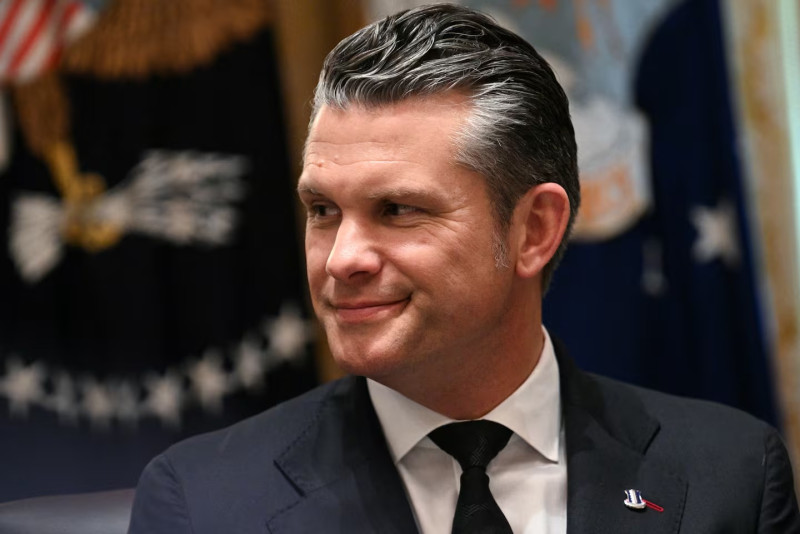
THE United States is considering greater “flexibility” for its 28,500 troops stationed in South Korea to respond to wider regional threats, though the alliance’s core mission will remain deterring North Korea, U.S. Defence Secretary Pete Hegseth said on Tuesday.
Reuters reported on Tuesday that speaking alongside South Korean Defence Minister Ahn Gyu-back in Seoul, Hegseth said the two allies were examining ways to enhance readiness and adaptability as regional tensions rise.
The remarks came during his visit to South Korea, which included a stop at the Demilitarised Zone (DMZ) on the North–South border a day earlier.
“But there’s no doubt that flexibility for regional contingency is something we would take a look at,” Hegseth told reporters when asked whether U.S. forces might operate beyond the Korean peninsula, including in a potential conflict involving China.
U.S. officials have increasingly discussed allowing forces based in South Korea to play a wider role in Indo-Pacific security operations, including supporting Taiwan and countering China’s growing military presence.
Ahn, who accompanied Hegseth to the DMZ, reaffirmed that Seoul’s defence policy remains focused on deterring Pyongyang and strengthening its own capabilities. South Korea currently maintains a 450,000-strong military and aims to eventually assume wartime operational control from the U.S.
The two ministers said discussions were ongoing over a joint communiqué expected to cover defence cost-sharing and expanded cooperation. Hegseth added that the allies had agreed for South Korea to maintain and repair U.S. naval vessels to enhance regional readiness.
On U.S. President Donald Trump’s decision to back South Korea’s ambitions to develop nuclear-powered submarines, Hegseth said the move reflected Washington’s commitment to strengthening capable allies.
“He wants our allies to have the best capabilities,” Hegseth said. “And because Korea has been a model ally, he’s open to opportunities like that, to ensure they have the best capabilities in their own defence and alongside us as allies.”
Hegseth declined to elaborate on the specifics of Trump’s approval, but South Korean officials have indicated they could launch a nuclear-powered submarine by the mid-2030s if supplied with fuel by the United States.
Asked whether Seoul might pursue its own nuclear weapons programme, Ahn dismissed the possibility, stressing the country’s obligations under international law.
“Therefore, there will be no development of nuclear weapons in the Republic of Korea,” he said, noting that South Korea remains a signatory to the Nuclear Non-Proliferation Treaty.- November 4, 2025