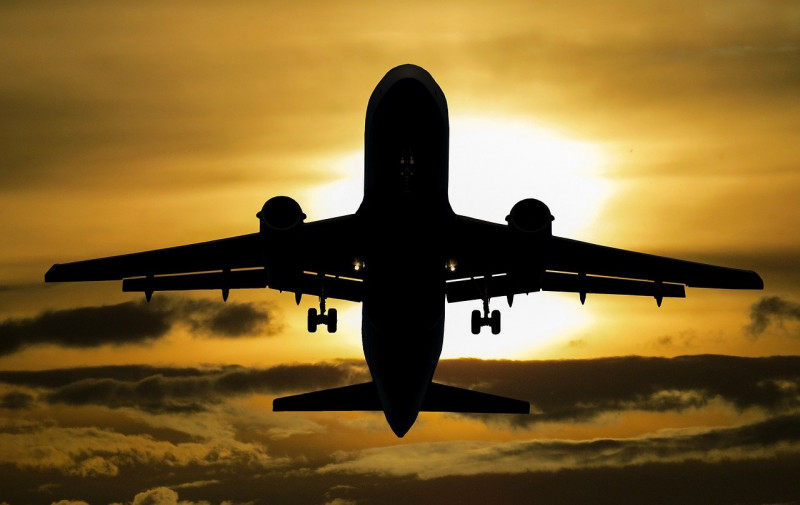
GLOBAL airlines scrambled over the weekend to address a software problem affecting Airbus A320 jets, as a partial recall by the European planemaker disrupted hundreds of flights across Asia and Europe and raised concerns for U.S. travel during the Thanksgiving holiday period.
Reuters reported on Sunday tha various airlines cited significant progress on Saturday, with carriers including American Airlines, United Airlines, Air India, Delta Air Lines, and Wizz Air completing or nearly completing the required updates on their fleets.
Many operators said the repairs allowed them to maintain normal operations, averting the worst-case scenario of widespread flight cancellations.
U.S. Transportation Secretary Sean Duffy reassured travellers that major disruptions were unlikely. “Impacted U.S. carriers have reported great progress, and are on track to meet the deadline of this Sunday at midnight to complete the work,” he said on X. “Travellers SHOULD NOT expect any major disruptions.”
Asia-based aviation analyst Brendan Sobie described the situation as manageable, noting that the update “is not as chaotic as some people might think,” though he acknowledged it could create “short-term headaches for operations.”
The recall followed a serious incident on 30 October, when a JetBlue flight from Cancun to Newark experienced an unintended loss of altitude, injuring ten passengers. The French BEA accident agency is investigating the incident.
Airbus CEO Guillaume Faury publicly apologised to airlines and passengers affected by the recall of more than 6,000 A320-family jets, which now represent over half of the global A320 fleet. “I want to sincerely apologise to our airline customers and passengers who are impacted now,” he posted on LinkedIn.
The timing of the alert was considered fortunate for some carriers. In Europe and Asia, the majority of short- and medium-haul A320 jets are less likely to fly overnight, providing an opportunity to carry out repairs without major operational disruption.
In the United States, however, the alert came just as carriers were preparing for the busy Thanksgiving holiday, potentially amplifying its impact.
American Airlines reported that 209 of its 480 A320s required updates, fewer than initially estimated, and expected most fixes to be completed by Saturday. United Airlines confirmed all its affected aircraft had been updated.
Wizz Air said overnight updates were completed on its fleet, while AirAsia planned to finish within 48 hours. India’s aviation regulator reported that IndiGo and Air India were also on track to complete the work the same day. ANA Holdings cancelled 95 flights on Saturday, affecting 13,500 passengers.
Steven Greenway, CEO of Saudi carrier Flyadeal, highlighted the role of timing in mitigating disruption. “It was a great team effort but our luck also held up in the timing,” he said, noting that all 13 affected jets were repaired and normal operations resumed by midnight.
The software glitch required airlines to revert to a previous version of a program controlling the nose angle of the affected jets.
On older aircraft, hardware modifications were also necessary, with each repair taking two to three hours before a jet could return to passenger service. Of roughly 11,300 single-aisle A320-family jets in service worldwide, approximately 6,440 are core A320 models.
Industry sources indicated that fewer than 1,000 jets may require the more time-consuming hardware changes, easing the potential operational burden.
Nevertheless, executives warned that abrupt recalls remain a rare but costly challenge, particularly amid global maintenance pressures caused by labour and parts shortages.
Questions remain regarding the role of solar flare radiation in the JetBlue incident, which French investigators are classifying as an “incident,” the lowest category of safety concern.
UK aviation consultant John Strickland said, “Any operational challenges that come at short notice and affecting a large part of your operation is tough to deal with.”
The global effort demonstrates the resilience of airlines and regulators in responding rapidly to unexpected technical issues, even as the travel industry braces for high-demand holiday periods. - November 30, 2025



.jpeg)