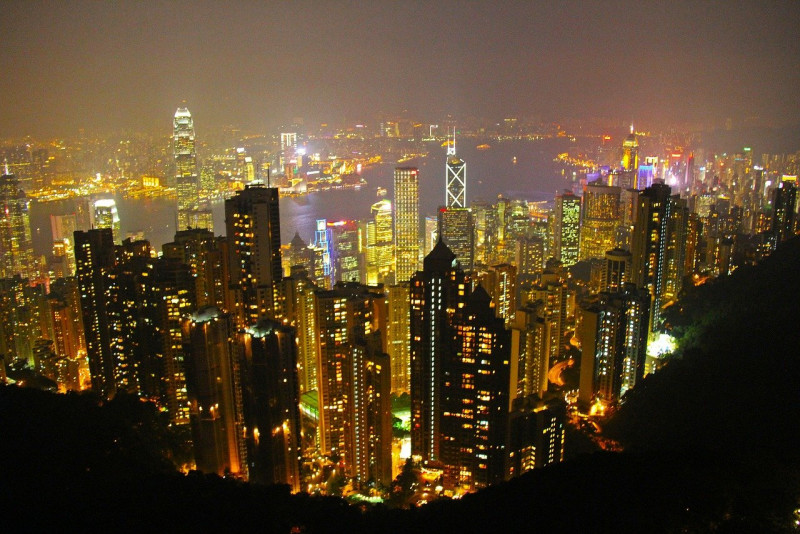
HONG KONG heads to the polls on Sunday in elections for its 90-member Legislative Council, amid mounting scrutiny of Beijing’s “patriots-only” governance model following the city’s deadliest fire in decades, which claimed at least 159 lives.
AP reported on Froday that the blaze, which tore through seven high-rise towers just 11 days before the vote, has intensified public debate over government oversight and the handling of building safety, casting a shadow over the tightly controlled electoral process.
Voter engagement will serve as a critical barometer of public sentiment, particularly given widespread political apathy after China’s crackdown effectively removed pro-democracy voices from the legislature. While no large-scale protests have emerged due to years of stringent security enforcement, residents have voiced concerns privately and on social media about the adequacy of building maintenance and official investigations.
Nearly 40 percent of incumbent lawmakers, including some previously outspoken figures, are stepping aside, paving the way for a new cohort of candidates with closer ties to mainland Chinese enterprises and political bodies.
John Burns, honorary professor of politics at the University of Hong Kong, observed that Beijing appears to be prioritising legislators aligned with national objectives over local or vested interests, while also signalling informal age limits and discouraging outspoken representatives.
The candidate roster includes at least 26 individuals linked to Chinese-funded businesses and 16 delegates to China’s top legislature, marking a significant increase in mainland influence compared with previous elections.
Many of these new entrants are unfamiliar to local voters, and several are state-owned enterprise employees, which proponents argue ensures alignment with central government policies.
Incumbent finance legislator Ronick Chan, affiliated with Bank of China (Hong Kong), defended the dual role, stating that engagement with national policies supports Hong Kong’s integration into broader development strategies.
While election officials have implemented measures to boost turnout — including extended voting hours, additional polling stations, subsidies for older and disabled voters, and urging civil servants and companies to facilitate voting — analysts predict the horrific fire may dampen participation.
Burns noted that the tragedy exposes systemic problems and could dissuade both pro-government and previously pro-democracy voters from casting ballots, potentially keeping turnout below the record-low 30 percent observed in 2021.
Hong Kong leader John Lee framed the election personnel changes as routine and criticised criticisms of Beijing’s involvement, asserting that oversight of the poll is justified.
At the same time, candidates like Rex Lai have highlighted the potential for patriotic organisations to assist in disaster relief, signalling efforts to link electoral messaging with civic response initiatives.
Observers warn that the combination of the fire’s human toll and the city’s restricted political environment underscores the challenge for Beijing in securing public support, even within a system designed to ensure loyalty.
The outcome of Sunday’s vote will not only determine the composition of the Legislative Council but also test the resilience of a governance model increasingly shaped by mainland priorities in the wake of tragedy. - December 5, 2025