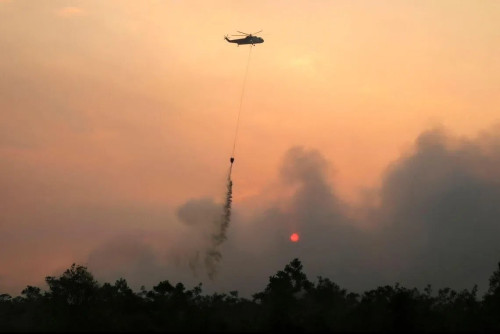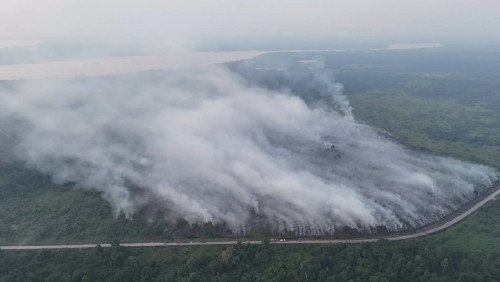
FIERCE fighting along the Thailand–Cambodia border has escalated dramatically, with explosions reported near historic temple complexes as both countries accuse each other of cross-border aggression.
Authorities confirmed that at least 20 people have been killed since violence reignited late last week.
More than 600,000 people, most of them in Thailand, have fled the frontier as the two militaries deploy fighter jets, tanks and drones across an 800-kilometre border long disputed since colonial times.
The contested area includes several ancient temples claimed by both nations, among them the UNESCO-listed Preah Vihear.
This week’s clashes are the most serious since a five-day confrontation in July, which left dozens dead before a temporary ceasefire was agreed.
The Cambodian Defence Ministry said on Thursday that Thailand had carried out fresh airstrikes, alleging that a Thai fighter jet dropped three bombs in the border zone.
Ministry spokesperson Maly Socheata accused Thailand of violating international law through the use of “all kinds of heavy weapons and the deployment of large number of troops to encroach the Cambodian territory.”
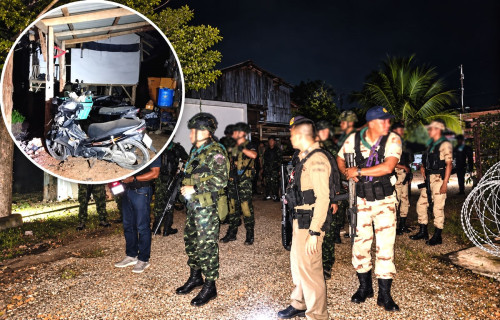
The Thai Army countered that Cambodia had launched artillery and mortar attacks on Wednesday night, prompting a retaliatory operation using similar heavy weaponry. It claimed to have destroyed “enemy trucks” during the exchange.
Air Force spokesperson Air Marshal Jackkrit Thammavichai declined to confirm or deny that airstrikes had taken place but said the air force would “continue its air operations until the opposing side ceases all efforts that threaten Thailand’s sovereignty, security, and the safety of the Thai people.”
International concern has mounted. Pope Leo XIV told an audience at the Vatican on Wednesday that he was “deeply saddened by the news of the renewed conflict,” adding: “There have been casualties, including among civilians, and thousands of people have been forced to leave their homes. I express my closeness in prayer to these dear peoples.”
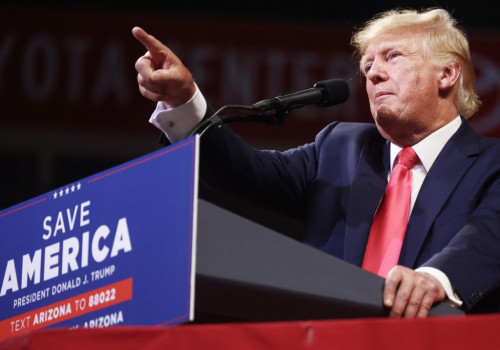
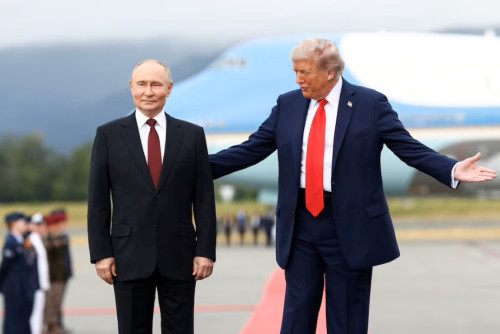
AP cited U.S. President Donald Trump, who in July had pushed both sides into accepting a ceasefire—threatening to withhold trade privileges if they refused—said he expected to speak with the two leaders on Thursday.
“I think I can get them to stop fighting. Who else can do that?” he told reporters, repeating his familiar claim of ending “eight wars” since returning to office. “Every once in a while, one will flame up again and I have to put out that little flame.”
However, Thai Prime Minister Anutin Charnvirakul said on Thursday that his government had not yet been contacted by Washington following Trump’s remarks.
Reflecting the strong nationalist sentiment at home, Anutin has repeatedly vowed that fighting will continue “until Thailand’s sovereignty and security are assured.”
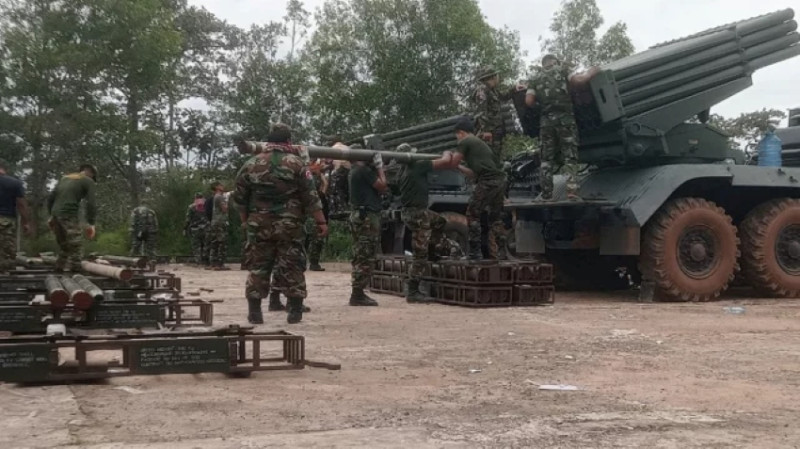
The conflict has intensified further as both sides ramp up their arsenals. Thailand has used jet fighters in targeted strikes, while Cambodia has deployed BM-21 rocket launchers with a range of up to 40 kilometres.
ThaiPBS reported that at least six Thai soldiers were killed by rocket shrapnel. Thailand’s northeastern command said some homes near the frontier were damaged by Cambodian rockets.
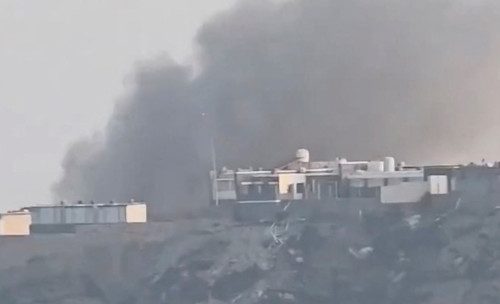
The Thai Army also announced it had destroyed a large crane positioned on a Cambodian-held hill overlooking the Preah Vihear temple, claiming it housed electronic and optical equipment used for military command.
Thai officials said nine soldiers had been killed since Monday, with four civilian deaths occurring during evacuation due to underlying health conditions. More than 120 troops have been wounded. Cambodia reported 11 civilian deaths and 74 injured on its side.
UNESCO expressed “strong concern” on Wednesday over the fighting near Preah Vihear, saying it stood ready to assist in safeguarding cultural heritage “as soon as conditions allow.”
The roots of the dispute stretch back more than a century to a 1907 map produced during French colonial rule in Cambodia.
Thailand argues the map is inaccurate, while Cambodians see it as the legitimate basis for the frontier.
Tensions were further inflamed by a 1962 International Court of Justice ruling awarding sovereignty of the temple to Cambodia—a decision that still provokes anger among many Thais.
With both governments entrenched and civilian casualties mounting, the prospect of an immediate de-escalation remains uncertain. - December 12, 2025