THE year 2025 will be remembered as a period of intense global turbulence, shaped by abrupt policy shifts, resurgent regional conflicts and the mounting consequences of political instability and climate change.
From Washington’s trade decisions to violence on city streets and natural disasters across Asia, events over the past 12 months underscored the fragility of the international order.
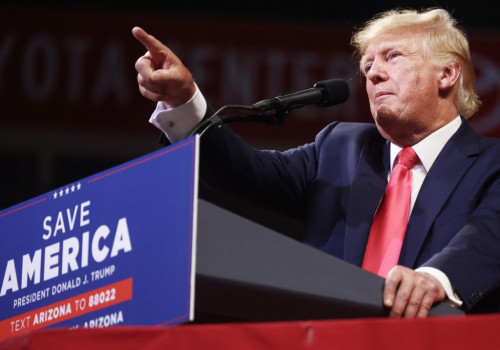
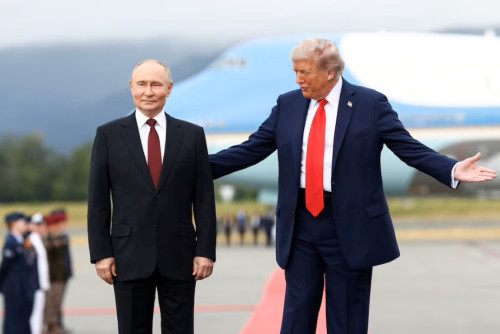
One of the most consequential developments came early in the year. On April 2, United States President Donald Trump announced a sweeping trade policy imposing a baseline 10 per cent tariff on all American trading partners, with higher duties applied to more than 60 countries, including Malaysia.
The White House said the move was intended to reduce the US trade deficit, but the decision rattled financial markets and reignited a trade confrontation with China, deepening uncertainty in the global economy.
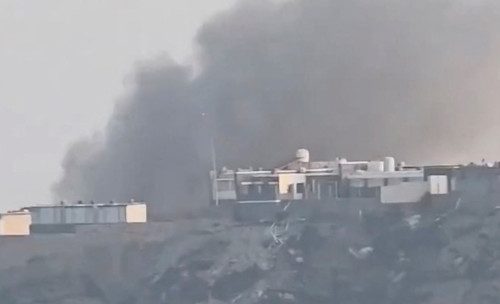
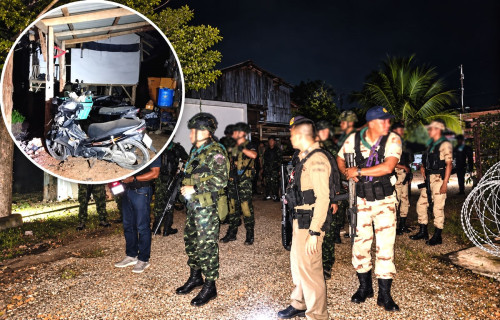
In Southeast Asia, a long-standing border dispute between Thailand and Cambodia flared into open conflict.
The tensions, rooted in disagreements over the demarcation of an 800-kilometre frontier and the status of ancient temple sites, escalated into cross-border military clashes in July.
Although a ceasefire was brokered under the Kuala Lumpur Peace Agreement on October 26, fighting resumed in December. The violence left at least 96 people dead and forced nearly one million residents near the border to seek refuge in evacuation centres.
Indonesia experienced months of unrest as public anger over alleged political corruption and economic hardship spilled onto the streets.
Protests intensified between August and September, fuelled in part by controversy over housing allowances for members of parliament.
Violence peaked after a 24-year-old Gojek rider was killed when struck by a police Mobile Brigade vehicle during riots in Jakarta on August 28. Demonstrations and clashes subsequently spread to other major cities.
A powerful geopolitical signal emerged on September 3, when North Korean leader Kim Jong Un and Russian President Vladimir Putin appeared alongside Chinese President Xi Jinping at China’s Victory Day military parade in Beijing’s Tiananmen Square.
The joint appearance highlighted increasingly close ties among the three leaders at a time of heightened global polarisation.
September also marked a significant diplomatic shift on the Palestinian issue. France, Luxembourg, Malta, Monaco, Andorra and Belgium formally recognised the State of Palestine during the 80th session of the United Nations General Assembly, joining countries such as Canada, Australia, Portugal and the United Kingdom.
The wave of recognition reflected growing international pressure amid continuing conflict in the Middle East.
After nearly two years of sustained hostilities, a measure of relief emerged in Gaza on October 10, when the first phase of a ceasefire took effect.
The agreement provided for the exchange of hostages in Gaza for Palestinian prisoners held by Israel, the withdrawal of Israeli forces to the so-called Yellow Line and the entry of humanitarian aid into the enclave.
Europe was jolted by a high-profile crime on October 19, when thieves carried out a daring robbery at the Louvre Museum in Paris, escaping with jewellery valued at €88 million, or about RM440 million.
French authorities later announced the arrest of four individuals believed to be the masterminds behind the heist.
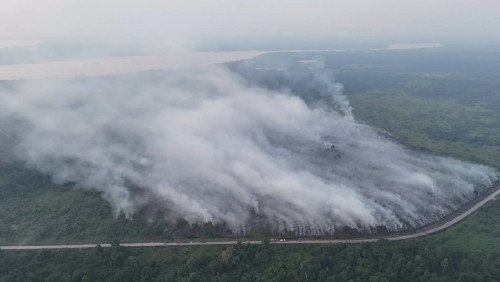
As the year entered its final months, extreme weather events devastated large parts of Southeast Asia. From November to December, floods and landslides struck Indonesia, the Philippines, Thailand, Vietnam and Malaysia.
Official figures indicated that more than 1,700 people lost their lives across the worst-affected countries. In Indonesia alone, fatalities in three regions of Sumatra rose to 1,135 by December 26.
On November 18, Saudi Arabia’s Crown Prince Mohammed bin Salman made a closely watched visit to the White House, his first to Washington since the 2018 killing of journalist Jamal Khashoggi.
The meeting signalled a recalibration of relations between Riyadh and Washington amid shifting regional and global dynamics.
The year ended with tragedy in Australia. On December 14, an attack during Hanukkah celebrations at Bondi Beach in Sydney left 15 people dead and dozens injured.
One of the attackers, 50-year-old Sajid Akram, was shot dead by police at the scene, while his son, Naveed Akram, 24, was later charged with 59 offences, including murder and terrorism.
Investigators said improvised explosive devices were also thrown during the attack, though they failed to detonate.
Taken together, these events painted a stark picture of 2025 as a year marked by instability, deepening geopolitical rivalries and a rising human toll from conflict, unrest and climate-related disasters across the globe. - December 30, 2025