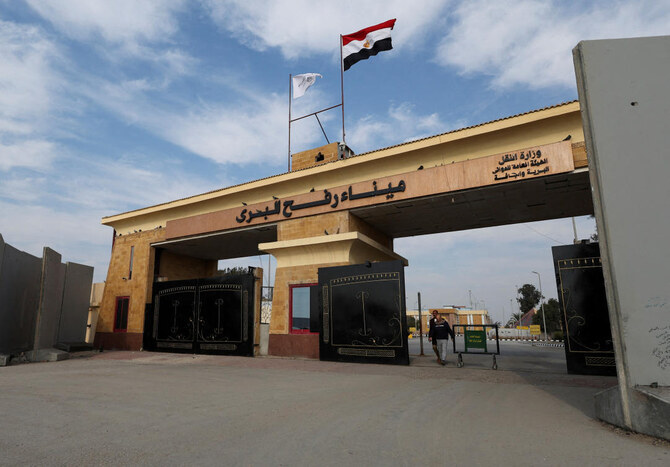
A NUMBER of Palestinian returnees were allowed to enter Gaza from Egypt late on Monday, following the long-awaited reopening of the Rafah border crossing, which was marred by delays. Their arrival came hours after a small group of medical evacuees was transported from the territory into Egypt.
AP reported on Tuesday that the reopening of Rafah represents a key step in the Israel-Hamas ceasefire but is largely symbolic, with few travellers permitted and no goods allowed to pass through.
The limitations were evident as crossings fell well short of the 50-person quota officials had indicated for each direction.
Gaza health officials estimate that some 20,000 Palestinians, both children and adults, require medical care outside the enclave, while thousands more hope to return to Gaza from abroad.
The crossing had been closed since Israeli forces seized it in May 2024, and authorities expect the number of travellers to increase over time if the process proves effective. Israel and Egypt will vet individuals seeking exit and entry.
Ambulances queued for hours before ferrying patients into Egypt, as shown by the state-run Al-Qahera News satellite channel. Just before midnight, a bus carrying Palestinian returnees, who had fled the fighting earlier in the war, arrived in Gaza.
At a hospital compound in Khan Younis, a young girl and an older woman waited at the entrance, waving to relatives eager for their safe return.
Rajaa Abu Mustafa, whose 17-year-old son Mohamed is blind after being shot last year, said the Gaza health ministry informed her that he would be evacuated to Egypt for treatment.
Egyptian authorities said around 150 hospitals are ready to receive patients from Gaza, while the Red Crescent has prepared “safe spaces” on the Egyptian side of the border.
More than 10,000 patients have been evacuated from Gaza since the start of the war, according to the World Health Organization, though Israel’s seizure of Rafah slowed the pace to an average of 17 patients per week. Israel has banned transfers to hospitals in the occupied West Bank and East Jerusalem since the conflict began.
U.N. officials called on other countries to accept more patients from Gaza “so that everyone receives the treatment they need.”
Meanwhile, Gaza residents awaited the return of family members who fled earlier in the war.
“This time it’s real,” said Iman Rashwan, anticipating the arrival of her mother and sister, who left Gaza a year ago for medical treatment in Egypt. “They called us yesterday and said they received news that they will leave. We have been waiting for it too long.”
The Rafah crossing will be overseen by European Union border patrol agents, with a small Palestinian presence.
Historically, Israel and Egypt have vetted those applying to cross. Egypt has emphasised that the crossing must remain open to allow Palestinians to enter and exit Gaza freely.
Violence continues in the territory. On Monday, Gaza hospital authorities reported that an Israeli navy ship fired on a tent camp in Khan Younis, killing a three-year-old boy. Israel’s military said it was investigating the incident. The Israeli army also said it killed four Palestinians in northern Gaza who approached troops near Israeli-controlled areas, claiming they posed “an imminent threat.”
Since the ceasefire began on October 10, over 520 Palestinians have been killed by Israeli fire, contributing to the more than 71,800 fatalities recorded since the war’s outset, according to Gaza’s health ministry, which maintains detailed casualty records widely considered reliable.
The Rafah reopening follows months of Israeli resistance to allow passage but was facilitated after the recovery of the last hostage in Gaza.
The U.S.-brokered ceasefire agreement, which ended over two years of conflict, has entered its second, more complex phase, involving the establishment of a new Palestinian governing committee in Gaza, deployment of an international security force, disarmament of Hamas, and initial steps toward reconstruction. - February 3, 2026