OIL prices soared on Monday (April 20) following a dramatic escalation in the Gulf, with the US Navy’s seizure of an Iranian ship and fresh military exchanges threatening to deepen the ongoing crisis.
Bloomberg cited that Brent crude surged as much as 7.9 percent, recovering most of its recent losses, while European natural gas prices spiked by 11 percent as market anxiety surged.
The new spike in energy prices follows the US Navy's actions on April 18, when it seized an Iranian cargo ship in the Gulf of Oman after the vessel allegedly failed to comply with US warnings while exiting the Strait of Hormuz, a critical waterway through which a significant portion of the world’s oil flows.
This confrontation marks the first major military engagement in the region following the US-imposed blockade on Iran-linked ships, further exacerbating tensions in a conflict that shows no signs of abating.
The situation was already volatile, with Iran reimposing restrictions on the Strait of Hormuz on April 18, claiming that the US blockade violated a ceasefire agreement set to expire on April 21.
This renewal of hostilities follows a brief, high-profile exchange about potential peace talks in Islamabad.
While US President Donald Trump expressed optimism about the possibility of a diplomatic resolution, Iranian officials rejected the notion, citing the absence of a “clear prospect” for an agreement.
Karobaar Capital Chief Investment Officer Haris Khurshid, on the situation, said: “The market’s still carrying a risk premium into the deadline but just not fully committing to it. If things just continue as they are, you probably see a gradual push higher to around US$105–US$115, but with a lot of back and forth on headlines.”
The ongoing standoff in the Strait of Hormuz, through which approximately 20 per cent of global oil and liquefied natural gas passes, has led to growing concerns about a deeper global energy crisis.
The US-Israel-backed war on Iran, which began in late February, now looms larger with no clear resolution in sight, threatening to disrupt global oil markets and the wider economy.
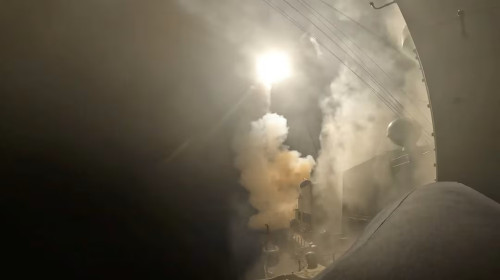
The US military, which reported on April 19 that it had fired on an Iranian-flagged cargo vessel en route to Bandar Abbas port in Iran, further heightened tensions in the region. The incident follows a broader pattern of escalating naval confrontations that continue to destabilise the Persian Gulf.
Oil analysts and industry leaders are keeping a close eye on the situation, especially as the global energy market grapples with the ongoing supply shock caused by the conflict.
As oil tankers remain hesitant to pass through the Strait, and as many ships are being forced to turn back, the cumulative impact of these disruptions is expected to unfold in the coming days.
Global business surveys, expected this week, are likely to flag significant risks of stagflation, as rising energy prices put pressure on inflation and economic growth worldwide.
In addition to the immediate concerns about energy shortages, the wider geopolitical implications of the war, including unresolved issues surrounding Iran’s nuclear program and Israel’s military operations in Lebanon, promise to keep global markets on edge for the near future. - April 20, 2026