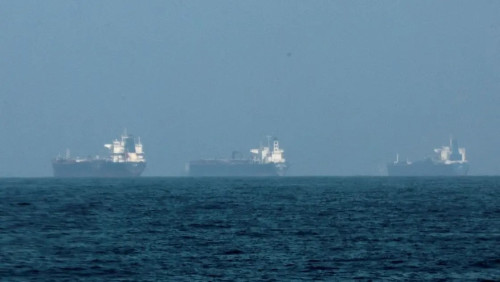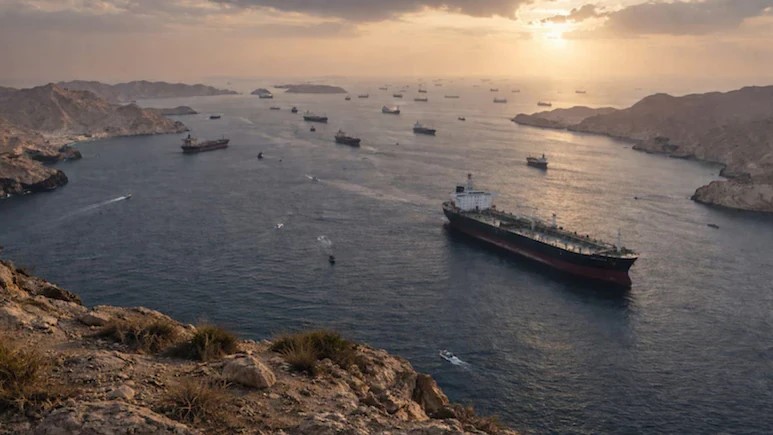
A PRECARIOUS calm appeared to take hold around the Strait of Hormuz on Saturday as diplomatic pressure intensified on Tehran and Washington to prevent a renewed escalation that could further destabilise global energy markets and international trade routes.
The relative lull followed several days of sporadic confrontations involving Iranian and American forces near the strategic waterway, while the United States continued waiting for Iran’s response to a proposed framework intended to formally end more than two months of fighting and pave the way for peace negotiations.
Reuters cited United States Secretary of State Marco Rubio saying on Sunday that Washington expected Tehran to respond within hours to the latest proposals, although no official reaction had emerged by Saturday.
The proposal is understood to focus initially on ending active hostilities before moving towards more contentious discussions involving Iran’s nuclear programme and broader regional security issues.
Rubio also held talks in Miami with Qatari Prime Minister Mohammed bin Abdulrahman Al-Thani, with both sides discussing efforts to maintain regional stability amid ongoing tensions.
According to a statement issued by United States State Department spokesperson Tommy Pigott, the two leaders discussed the importance of continuing cooperation “to deter threats and promote stability and security across the Middle East”.
Although Iran was not directly mentioned in the statement, Qatar remains one of the principal mediators involved in efforts to de-escalate the conflict.
In a potentially significant confidence-building development, a Qatari liquefied natural gas tanker was reported to be travelling through the Strait of Hormuz en route to Pakistan after allegedly receiving approval from Iranian authorities.
If completed successfully, it would mark the first transit of a Qatari LNG vessel through the strait since the conflict began following joint United States-Israeli airstrikes on Iran earlier this year.
The movement is seen as an attempt to reassure energy markets and restore confidence in one of the world’s most strategically vital shipping lanes, through which roughly one-fifth of global oil supplies previously passed before hostilities intensified.
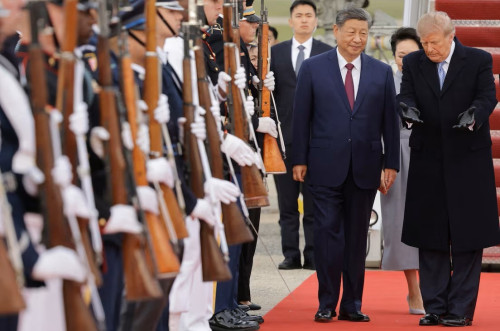
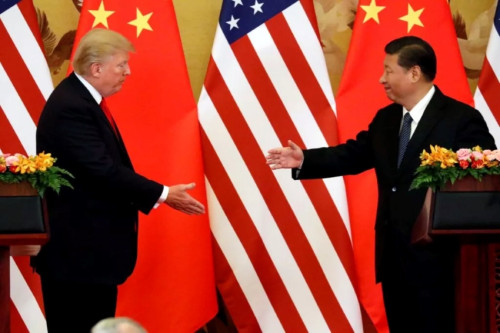
Diplomatic urgency has also increased ahead of President Donald Trump’s expected visit to China next week, with growing international concern that prolonged instability around the strait could inflict wider damage on the global economy.
Despite the temporary calm, tensions remain high.
Iranian media reported sporadic clashes on Friday between Iranian naval forces and United States vessels operating near the strait, although Iranian military sources later said the situation had stabilised while warning that further confrontations remained possible.
The United States military separately confirmed that it had intercepted and struck two vessels allegedly linked to Iran after they attempted to enter an Iranian port, forcing them to retreat.
Meanwhile, the United Arab Emirates reported that its air defence systems intercepted two ballistic missiles and three drones launched from Iran on Friday, in an incident that reportedly left three people with moderate injuries.
Iran has repeatedly targeted Gulf states hosting American military assets, particularly after Washington announced “Project Freedom”, an initiative aimed at escorting commercial vessels through the Strait of Hormuz.
The operation was suspended after 48 hours, although Tehran accused the United States of violating the ceasefire announced on April 7.
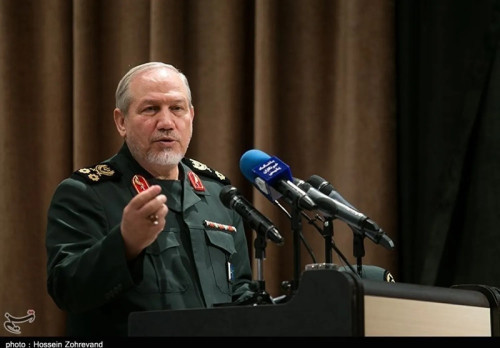
“Every time a diplomatic solution is on the table, the U.S. opts for a reckless military adventure,” Iranian Foreign Minister Abbas Araqchi said on Friday.
While Washington continues to pursue diplomatic channels, it has also intensified economic pressure on Tehran.
The United States Treasury announced new sanctions against 10 individuals and companies, including entities based in China and Hong Kong, accused of assisting Iran’s military procurement networks involved in the production of Shahed drones and related weapons materials.
The conflict has exposed divisions among Western allies over strategy in the region.
German Chancellor Friedrich Merz said European countries remained committed to preventing Iran from acquiring nuclear weapons while attempting to narrow differences with Washington over the handling of the crisis.
Britain and France are also advancing plans for a future multinational maritime security mission designed to safeguard shipping through the Strait of Hormuz once regional conditions improve.
The British government confirmed on Saturday that it had repositioned a Royal Navy warship to the Middle East as part of preparations for any future coalition operation aimed at protecting international shipping routes. - May 10, 2026