INTERNATIONAL negotiations under the United Nations framework to reinforce global commitments on nuclear disarmament and non-proliferation have collapsed without consensus after four weeks of discussions, highlighting growing divisions among major powers at a time of intensifying global nuclear competition.
The failed talks centred on the review process of the Treaty on the Non-Proliferation of Nuclear Weapons (NPT), the cornerstone international agreement designed to prevent the spread of nuclear weapons, encourage gradual disarmament and promote peaceful nuclear cooperation.
Conference president Do Hung Viet acknowledged that negotiations had broken down due to unresolved substantive disagreements within the draft text despite multiple revisions and efforts to soften contentious language.
“I am not planning to continue these negotiations,” he said.
The NPT, which entered into force in 1970, is signed by nearly every country worldwide, with notable exceptions including Israel, India and Pakistan.
Diplomatic sources said the latest draft had already been diluted compared with earlier versions in an attempt to secure broader support, yet negotiators still failed to bridge disagreements surrounding Iran, North Korea and strategic arms limitations involving the United States and Russia.
According to the latest negotiating text obtained by AFP, the document maintained that Iran must never develop nuclear weapons.
However, the paragraph remained bracketed, signalling continuing disputes among participating states despite references to Iran’s alleged “non-compliance” with previous obligations having already been removed from earlier drafts.
References expressing concern over North Korea’s nuclear programme were also dropped, while there was no mention of the denuclearisation of the Korean Peninsula.
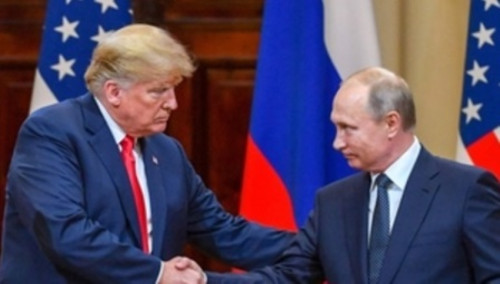
The revised text further removed direct calls for United States and Russia to begin negotiations on a successor agreement to the expired New START treaty, which had previously limited the nuclear arsenals of both countries.
The latest collapse marks the third consecutive failure of the NPT review process after earlier review conferences in 2015 and 2022 also failed to achieve consensus, fuelling concerns among analysts that the treaty’s authority and legitimacy are steadily eroding despite remaining formally in force.
Experts say the breakdown comes amid increasing fears of a renewed global nuclear arms race as several powers modernise or expand their arsenals against a backdrop of worsening geopolitical confrontation.
Heloise Fayet from the French Institute of International Relations said that even the softened draft still warned about “the risk of resumed nuclear testing by Russia, China and the United States, as well as the expansion of arsenals and attacks against nuclear infrastructure”.
The precise trigger behind the collapse of negotiations, however, remains unclear.
According to data from the Stockholm International Peace Research Institute (SIPRI), nine nuclear-armed states collectively possessed approximately 12,241 nuclear warheads as of January this year.
The countries identified were Russia, United States, France, United Kingdom, China, India, Pakistan, Israel and North Korea.
Nearly 90 per cent of those warheads remain under the control of the United States and Russia, while several countries are continuing to modernise delivery systems and increase stockpiles amid mounting strategic tensions. - May 23, 2026