THE fragile ceasefire between the United States and Iran came under severe pressure on Tuesday after Washington launched a fresh wave of military strikes against Iranian targets and withdrew a key sanctions waiver permitting Tehran to export crude oil, sharply escalating tensions across the Gulf.
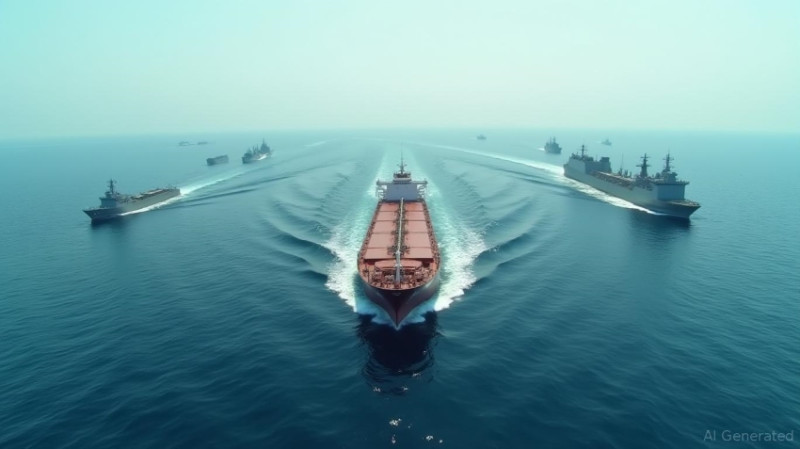
The latest US action followed projectile attacks on three commercial vessels transiting the Strait of Hormuz, an escalation that has renewed concerns over the security of one of the world's most strategically important energy corridors and pushed global oil prices more than three per cent higher.
Rueters cited on Wednesday that the US Treasury had revoked a general licence issued on 22 June that had temporarily allowed Iran to sell crude oil, petrochemicals and petroleum products on international markets until 21 August. Under the revised order, Iran has until 17 July to wind down all transactions previously covered by the authorisation.
The sanctions decision coincided with a new military campaign by the US Central Command (CENTCOM), which said it had begun strikes designed to impose significant costs on Iran following what Washington described as repeated violations of the ceasefire.
"Iran’s demonstrated aggression was unwarranted, dangerous, and a clear violation of the ceasefire," CENTCOM said in a statement posted on X.
According to a US defence official, the operation targeted Iranian air defence systems, coastal surveillance installations, surface-to-air missile batteries, anti-ship cruise missile sites and drone launch facilities.
Iranian media reported explosions overnight in Sirik, Bandar Abbas and on Qeshm Island, with state television saying several people were injured by shrapnel after an "enemy projectile" struck a commercial pier in Sirik. No civilian fatalities were reported.
State media also reported damage to fishing piers in Sirik and Bandar Abbas, where several fishing vessels were set ablaze.
The latest confrontation represents the most serious challenge yet to the interim ceasefire reached last month, which was intended to suspend hostilities for 60 days while negotiators worked towards a permanent settlement to the conflict that erupted earlier this year.
Despite the renewed military action, a US official said negotiations towards a final agreement were continuing in good faith, although analysts noted that Iran's strategic position along the Strait of Hormuz continues to provide Tehran with considerable leverage during negotiations.
The narrow waterway carries a substantial proportion of the world's seaborne crude oil and liquefied natural gas exports, making any disruption to shipping a significant threat to global energy markets.
Iran's Foreign Ministry condemned Washington's decision to revoke the oil export waiver, describing it as a breach of the ceasefire framework and warning that the United States would bear responsibility for the consequences.
The ministry added that Iran would take whatever measures it deemed necessary to safeguard its national interests and security.
Regional tensions intensified further after Qatar accused Iran of attacking commercial shipping, including its liquefied natural gas tanker Al Rekayyat, which was reportedly struck by a drone that caused a fire in the vessel's engine room. The crew were reported safe and were being evacuated.
A Saudi-flagged crude oil tanker, believed to be the supertanker Wedyan, also sustained damage off the coast of Oman, although maritime security officials said the exact cause had not yet been established.
Qatar's Foreign Ministry said it had summoned Iran's deputy ambassador and lodged a formal diplomatic protest over the attack.
Iran rejected the allegations, calling Qatar's accusations perplexing while insisting it remained committed to the ceasefire. Tehran nevertheless argued that commercial vessels faced increased risks if they navigated routes that had not been coordinated with Iranian authorities.
A second US official said preliminary intelligence suggested Iranian forces had fired upon three commercial vessels operating in the Strait of Hormuz.
The military escalation unfolded as hundreds of thousands of mourners gathered in the holy city of Qom to pay tribute to Iran's slain Supreme Leader Ayatollah Ali Khamenei and members of his family, who were killed during the opening day of the conflict.
Iranian state media broadcast images of large funeral processions through the city, with mourners carrying flags and banners comparing Khamenei to revered Shi'ite martyrs while chanting calls for revenge.
President Masoud Pezeshkian, who had travelled to Iraq to attend funeral ceremonies in Najaf, returned to Iran following news of the latest US strikes, according to Iranian state television.
Diplomatic efforts to secure a lasting peace have also stalled. Indirect negotiations hosted by Qatar concluded last week without a breakthrough despite the ceasefire's objective of creating a 60-day window for talks on a permanent agreement.
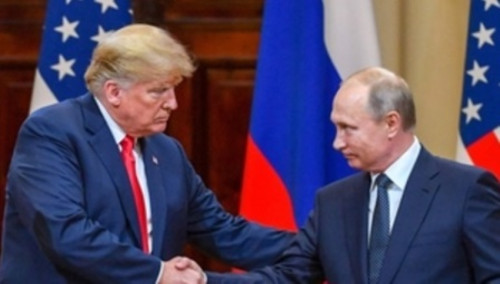
US President Donald Trump reiterated that Washington remained prepared to intensify military action if negotiations failed.
"We're either going to make a deal or we're going to finish the job... We can knock down their bridges in one hour, we can knock out their energy supply," Trump told reporters at the White House.
Iranian Foreign Minister Abbas Araqchi insisted that negotiations on a comprehensive agreement could not proceed under military pressure.
"Not commence if threats continue."
The renewed confrontation has raised fresh doubts over prospects for a negotiated settlement, while increasing the risk of further disruptions to global energy supplies and financial markets should tensions continue to escalate in the Gulf. - July 8, 2026