CAMBODIA has initiated a rare United Nations dispute resolution process known as compulsory conciliation in an effort to resolve a long-running maritime boundary dispute with Thailand, which both sides say could unlock major offshore oil and gas resources.
The move marks a significant escalation in a decades-old territorial disagreement over approximately 26,000 square kilometres of sea in the Gulf of Thailand, an area widely believed to hold vast energy potential.
Reuters reported estimates cited through regional assessments suggest the disputed maritime zone may contain nearly 12 trillion cubic feet of natural gas and substantial oil reserves, with a combined potential value of around US$300 billion.
For more than 25 years, both countries have asserted overlapping claims to the area. In 2001, Cambodia and Thailand signed an agreement intended to establish a framework for joint exploration and development of the contested “overlapping claims area”.
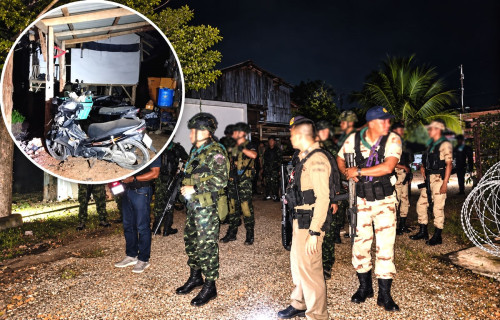
However, tensions have recently intensified after Thailand’s government last month unilaterally terminated the arrangement, fulfilling a campaign pledge by Thai Prime Minister Anutin Charnvirakul. The decision came in the wake of renewed political strain following deadly clashes along a disputed land border last year.
On Tuesday, Cambodia formally activated the compulsory conciliation mechanism under the United Nations Convention on the Law of the Sea (UNCLOS), a legal pathway available to signatories seeking resolution of maritime disputes.
The process allows one state to compel another into a structured negotiation framework overseen by an independent commission. Each party appoints two conciliators, who then select a fifth member to serve as chair of the commission.
The panel is tasked with examining legal and factual arguments from both sides before issuing non-binding recommendations. These findings are submitted to the parties involved and the United Nations Secretary-General.
While the mechanism does not produce legally binding rulings, it has been successfully used in the past, most notably in a maritime dispute between East Timor (Timor-Leste) and Australia, which ultimately resulted in a landmark maritime boundary treaty signed at the United Nations headquarters in 2018.
Under that precedent, negotiations formally began in 2016 and concluded within two years, with the agreement signed in the presence of the UN Secretary-General.
Cambodia has appointed its Foreign Minister Prak Sokhonn as its agent in the proceedings. It has also nominated Danish diplomat Peter Taksøe-Jensen and French legal scholar Jean-Marc Thouvenin to the conciliation commission.
Taksøe-Jensen previously chaired the commission that oversaw the East Timor-Australia negotiations, lending additional procedural weight to the current process.
Under the rules of UNCLOS, Thailand has 21 days from receipt of Cambodia’s notice to appoint its own conciliators. If it fails to do so, Cambodia may request the UN Secretary-General to make the appointments on Bangkok’s behalf.
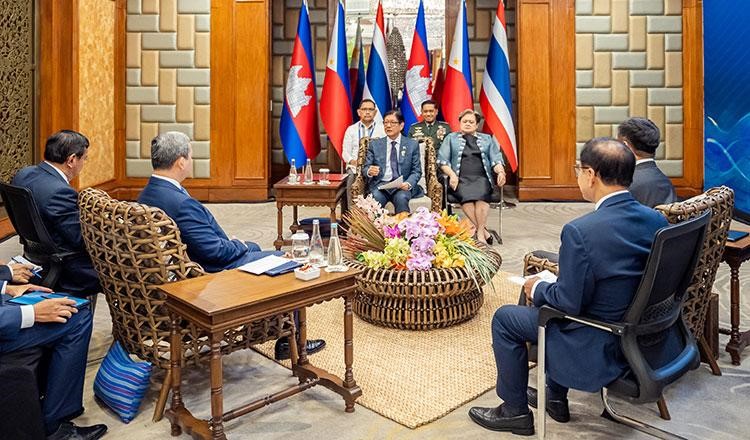
Thai Prime Minister Anutin said on Tuesday he was not aware that Cambodia had formally launched the process, adding that his government would consider its response in line with UNCLOS principles.
Thailand has yet to confirm its next steps, he told reporters.
Once all four initial conciliators are appointed, they will have 30 days to select a chairperson before formal proceedings begin.
The development introduces a new legal and diplomatic track to a long-running regional dispute that carries significant economic stakes, particularly given the potential offshore hydrocarbon reserves believed to lie beneath the contested waters. - June 3, 2026