THE United States has granted Iran a 60-day sanctions waiver following the first round of high-level negotiations under a newly brokered peace agreement, as officials reported a sustained reduction in violence across Lebanon and renewed diplomatic momentum towards ending wider regional hostilities.
The breakthrough came after talks at the Swiss mountain resort of Buergenstock concluded earlier than expected on Monday, with technical negotiations set to continue throughout the week as both sides work towards a permanent settlement within 60 days.
Reuters reported on Tuesday that the diplomatic progress marks a significant turnaround after a weekend of heightened tensions that threatened to derail the week-old accord.
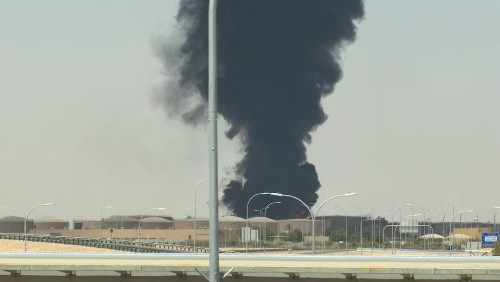
US President Donald Trump had warned he would resume military action if Iran disrupted international shipping through the Strait of Hormuz after Tehran announced the strategic waterway had been closed.
Commercial tanker movements through the strait began recovering on Monday, while global oil prices resumed their decline, settling three per cent lower as optimism over the negotiations eased concerns about supply disruptions.
The roadmap agreed during the talks was brokered by mediators Pakistan and Qatar and sets out a framework for a comprehensive peace agreement. It also establishes mechanisms to halt fighting in Lebanon, where conflict between Israel and the Iran-backed Hezbollah movement has devastated large areas and displaced millions of civilians.
The agreement includes the creation of a communications channel designed to safeguard commercial shipping through the Strait of Hormuz and prevent further military escalation in one of the world's most strategically important waterways.
As part of the initial confidence-building measures, the US Treasury announced a sanctions waiver effective until August 21, allowing Iran to resume oil and petroleum-related exports and receive international payments.
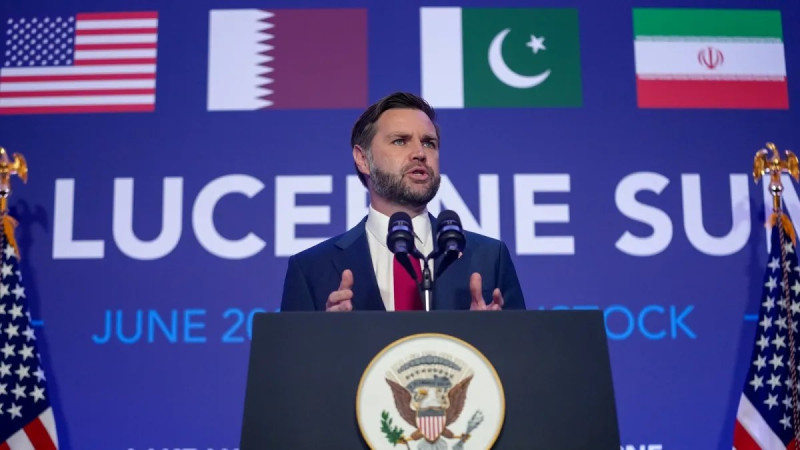
US Vice-President JD Vance described the opening negotiations as a positive step towards a lasting settlement.
"We laid a very good foundation for a successful final deal," he told reporters after participating in the talks.
Vance also said Tehran had agreed to permit nuclear inspections and establish mechanisms governing frozen overseas assets alongside arrangements to manage regional ceasefires.
However, Iran rejected suggestions that substantive nuclear negotiations had begun.
Foreign Ministry spokesman Esmaeil Baghaei told the official IRNA news agency that Iran had neither discussed nuclear issues nor undertaken any new commitments during the talks.
President Trump nevertheless expressed confidence that inspections would proceed.
"Iran will agree to have weapons inspections to ensure 'nuclear honesty'," he wrote on Truth Social.
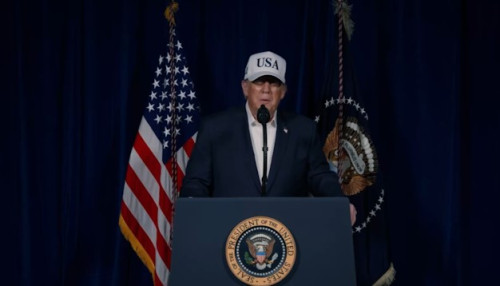
Speaking later to reporters, Trump warned that Washington remained prepared to act if Tehran failed to honour the agreement.
"If Iran doesn't live up to their agreement, or if they're not behaving, I will do what I have to do," he said.
Iran has significantly restricted inspections by the International Atomic Energy Agency since the United States and Israel launched air strikes last year, before suspending inspections entirely following the outbreak of war in February. Tehran continues to insist that its nuclear programme is exclusively for peaceful purposes.
Iranian Foreign Minister Abbas Araqchi said the negotiations had secured sanctions relief covering oil and petrochemical exports, partial access to frozen overseas assets and the launch of a national reconstruction and development programme.
Vance disclosed that White House envoy Jared Kushner had devised a mechanism under which the United States and Qatar would oversee Iranian funds released under the agreement, with spending directed towards purchases of American agricultural exports, including corn, soybeans and wheat.
"So, the money that we lift is going to go to our farmers," Trump told reporters.
However, Iran's Central Bank Governor Abdolnaser Hemmati disputed that interpretation, saying there was no obligation restricting expenditure solely to American products and that some of the released funds could also be used to purchase other non-sanctioned goods.
Attention has also turned to Lebanon, where the interim agreement seeks to end all hostilities after months of conflict following Israel's invasion in March in response to Hezbollah cross-border attacks.
Although Israel is not a party to the US-Iran agreement and has stated it will retain troops inside Lebanon, it agreed to a separate ceasefire on Friday. After another day of intense fighting, Lebanese officials said violence had eased considerably from Saturday night onwards.
Israel and Lebanon are expected to begin another round of negotiations in Washington on Tuesday, with Beirut determined to pursue direct discussions despite concerns that developments involving Iran have overshadowed the Lebanese track.
For residents of southern Lebanon, the reduction in violence has brought a rare sense of relief.
"I'm monitoring the situation day by day, and most of the time I'm sleeping in the hospital. This is the longest a ceasefire has held," Hassan Wazni, director of a hospital in the heavily bombarded city of Nabatieh, told Reuters.
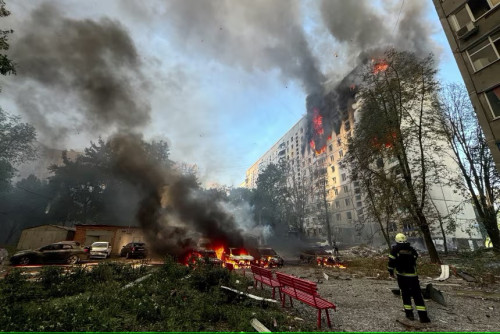
Despite the relative calm, the humanitarian crisis remains severe. More than one million Lebanese have been displaced by the conflict and, although some families have started returning home, many remain reluctant to do so amid fears that fighting could resume.
In the southern town of Qennarit, mourners carried the coffins of four women killed during Saturday's Israeli air strikes, draped in yellow Hezbollah flags bearing the group's green emblem of an arm holding an assault rifle. - June 23, 2026