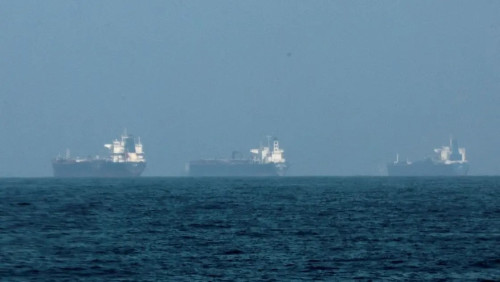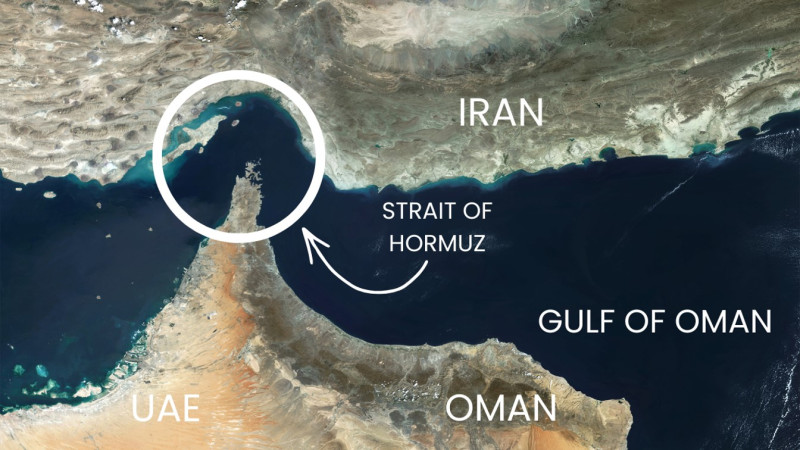
IRAN and Oman are nearing a final agreement on new shipping lanes through the Strait of Hormuz, but Tehran has reiterated that the strategic waterway will not be reopened until the United States meets a series of demands, including compensation for wartime damage and an end to sanctions and military threats.
Reuters reported on Monday Iranian Foreign Minister Abbas Araghchi saying on Aug 9 that the agreement with Oman was in its “final stages”, while stressing that the terms would only take effect once Washington fulfilled the conditions set by Tehran.
The agreement would establish new shipping lanes to be used once the United States meets those conditions and the strait is reopened, Iran’s Mehr news agency quoted Araghchi as saying.
A US official told Reuters on Aug 7 that Iran and Oman were close to reaching an agreement that could pave the way for restoring safe passage through the strait, a crucial route for global oil and gas shipments before Iran blocked it following US and Israeli attacks on Tehran that began in late February.
Iran and the US are not holding direct negotiations, with Araghchi saying Tehran would not enter such talks as long as Washington continued to breach an interim agreement reached in June. Messages between the two sides are instead being relayed through intermediaries.
US President Donald Trump, meanwhile, told Axios that Washington was taking a more measured approach towards Tehran.
“We are only semi-negotiating with them. We are just watching Iran with its huge inflation and the fact they have no money,” Trump said.
Compensation is among Tehran’s key demands.
Araghchi said the reopening of the Strait of Hormuz would partly depend on Washington compensating Iran for damage caused by widespread US attacks.
Iran’s Secretary of the Supreme National Security Council Mohammad Baqer Zolqadr also listed several other demands, including an end to further US threats, a halt to aggression against Iran and its Lebanese, Palestinian, Yemeni and Iraqi allies, the removal of a US naval blockade in the Gulf, the lifting of sanctions and the release of frozen Iranian assets.
The United States and Israel launched air strikes on Iran more than five months ago, with Trump saying the operation was intended to prevent the Islamic Republic from developing nuclear weapons and weaken its ability to threaten the region.
Washington and Tehran agreed to a ceasefire in June, but the United States reimposed a blockade on Iranian shipping in the Gulf in July. Tehran said the move violated the truce, which had by then already broken down.
“Once the deal is announced to restore commercial shipping without impediments, the United States will lift the blockade of Iranian ports,” a US official told Reuters on condition of anonymity.
The official said Washington’s actions would be tied to Iran implementing its own commitments.
The US position suggests that any agreement will require carefully sequenced steps, amid concerns among shipping companies over proposals that could give Tehran control over vessel traffic entering the Gulf through the strait.
The United Arab Emirates said on Aug 8 that Iran had attacked a vessel affiliated with its state oil company. Iran did not immediately comment, although its Revolutionary Guard Corps has previously attacked ships it accused of attempting to cross the strait without Iranian permission.
Meanwhile, tensions have spread beyond Hormuz, with Iran-aligned Houthi rebels in Yemen intensifying attacks on shipping around another major oil chokepoint between the Red Sea and the Gulf of Aden.
The Houthis last month declared a naval blockade against Saudi Arabia’s Red Sea shipping in response to what they described as a Saudi siege of the group in Yemen. Riyadh has denied the allegation.
The Yemeni group also said it had attacked Saudi Aramco’s Jazan refinery on Aug 9, two days after Saudi Arabia signed a defence pact with Turkey and Pakistan amid growing regional instability linked to the US-Israeli conflict with Iran.
Saudi Arabia’s Energy Ministry said a fire had broken out at the refinery but was subsequently extinguished, with no injuries reported. Authorities were investigating the incident but did not give a cause.
Turkish Foreign Minister Hakan Fidan said the new alliance was not directed against Iran or any other country, but was instead a general commitment to supporting regional security. - August 10, 2026