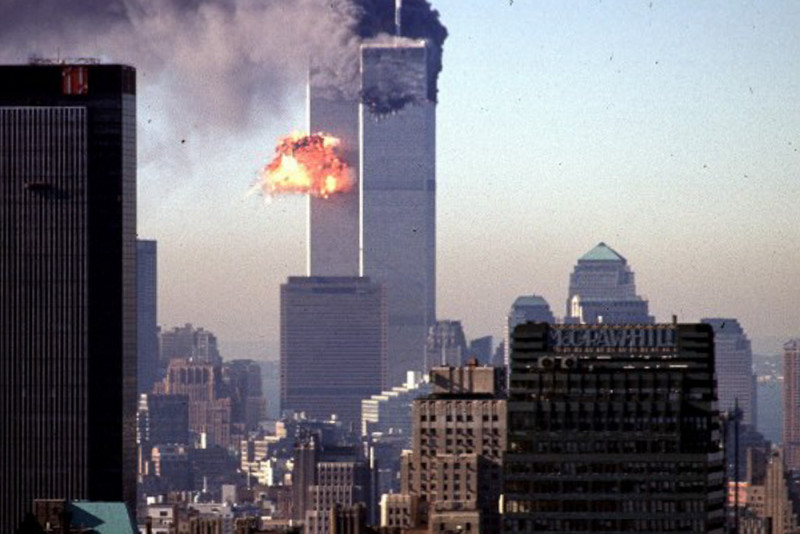
TWENTY-FIVE years after al-Qaeda hijackers attacked the World Trade Center and the Pentagon, the legacy of Sept. 11, 2001 remains embedded in American foreign policy, national security and everyday life.
For the estimated 100 million Americans born since the attacks, 9/11 is increasingly a historical event rather than a lived experience.
But for those who remember that day, it remains a defining dividing line between an America before the attacks and one that followed.
The attacks triggered a sweeping US response, beginning with Congress' authorisation for military force against those responsible for the assault and those who had facilitated it.
On Sept. 14, 2001, the Senate approved the Authorization for Use of Military Force by 98 votes to none, while the House passed it 420-1.
The sole House dissenter, then-California Democrat Barbara Lee, warned that the measure could lead to an open-ended military campaign with inadequate oversight.
Her concerns were followed by years of US military operations overseas, with successive administrations invoking the 2001 authorisation to justify operations in numerous countries, including efforts to support local forces fighting extremist groups.
The attacks also transformed security measures in the United States.
The Patriot Act, passed in October 2001, expanded federal surveillance and law-enforcement powers, sparking a debate over the government's ability to monitor Americans that continues today.
The following month, the Aviation and Transportation Security Act created the Transportation Security Administration and introduced the extensive airport screening procedures now familiar to travellers.
Other post-9/11 measures included the Homeland Security Act and the creation of the director of national intelligence and Immigration and Customs Enforcement.
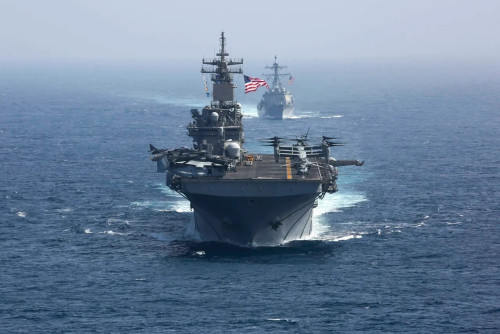
The military response was even more consequential.
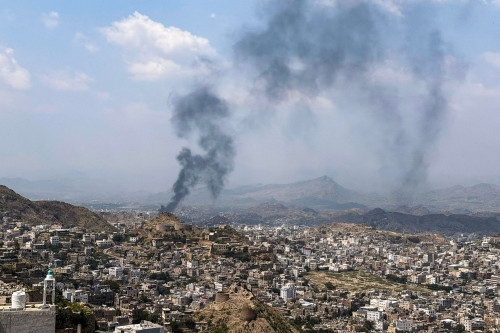
The United States invaded Afghanistan and later Iraq, although Iraq had no role in the Sept. 11 attacks. The wars cost hundreds of billions of dollars and thousands of lives, while many of Washington's nation-building objectives remained unfulfilled before US forces withdrew.
Al-Qaeda leader Osama bin Laden was eventually killed by American forces, but the legal reckoning over the attacks remains unfinished.
A military judge has set a 2028 trial for Khalid Sheikh Mohammed, the alleged mastermind of the attacks, and three other defendants held at Guantanamo Bay.
The human and political consequences of 9/11 therefore extend well beyond the events of that morning.
For younger Americans, the attacks are increasingly something learned in classrooms and through history books. Yet the institutions, security measures, military authorities and foreign-policy decisions that emerged from them continue to shape the country. - September 11, 2026
A quarter-century later, 9/11 remains not only a chapter in American history but an enduring influence on current US policy. - September 11, 2026