AT least 33 countries worldwide have issued guidelines encouraging households to stockpile food, drinking water and essential supplies to prepare for potential emergencies, amid growing concerns over geopolitical conflicts, extreme weather and disruptions to critical services.
According to international media reports, the recommendations vary, with France and the United Kingdom urging residents to maintain sufficient supplies for at least 72 hours.
The regional government of Normandy in France has also urged residents not to wait until an emergency occurs before preparing.
"Do not wait for an emergency to happen, prepare now!" it said in a statement shared on social media on Tuesday.
British Prime Minister Andy Burnham has also encouraged households to keep non-perishable food, including canned beans and soup, as part of their emergency preparations.
Canada, Japan, Mexico and the Netherlands have similarly recommended maintaining supplies for three days, while Sweden and Norway encourage households to prepare for up to a week.
Germany recommends keeping essential supplies for up to 10 days to help households cope if emergency assistance or critical services are disrupted.
In the United States, official government guidelines also encourage residents to prepare several days' worth of food, water and emergency essentials.
India, meanwhile, advises families to maintain disaster emergency kits, although the guidelines cited in the reports do not specify a particular stockpiling period.
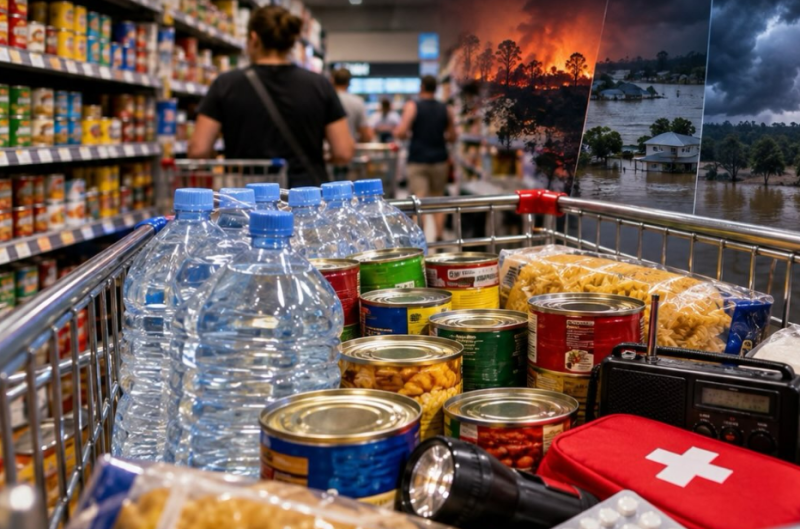
Recommended supplies include non-perishable food, drinking water, medication, batteries, flashlights and radios.
The European Union introduced its preparedness strategy in March 2025 in response to rising geopolitical tensions, conflict threats and climate-related disaster risks.
In the United States, the Pentagon has also introduced its FORTRESS initiative to strengthen military installation resilience, aiming to enable more bases to operate independently for up to 90 days if supply chains are disrupted.
However, the military initiative is separate from public guidance on household emergency supplies.
The growing emphasis on preparedness does not mean governments expect a war or major disaster to occur imminently.
Instead, the recommendations are intended to help communities withstand temporary disruptions while waiting for emergency assistance to arrive. - November 2, 2026