MADRID – Lava from an erupting volcano in the Canary Islands has reached the ocean, volcanologists said, raising fears of toxic gases being released as the magma hits the seawater.
The Spanish archipelago earlier declared an exclusion zone of two nautical miles around the location the lava was expected to enter the Atlantic, and asked residents to stay at home.
“The lava flow has reached the sea at Playa Nueva,” the Canary Islands Volcanic Institute (Involcan) said on Twitter last night.
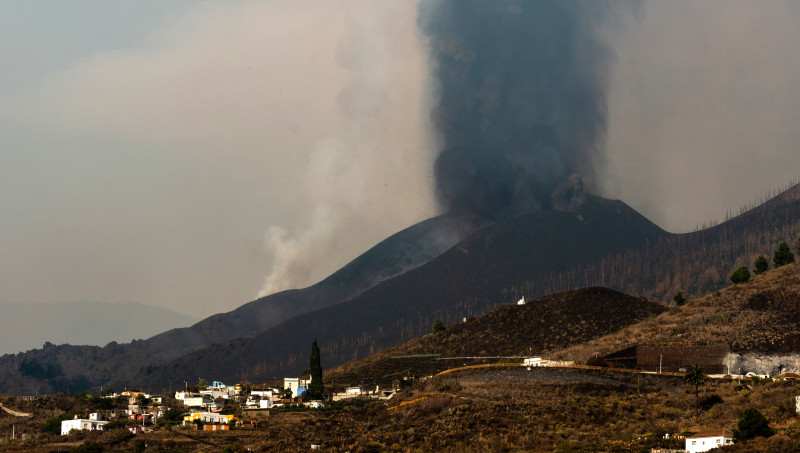
The Cumbre Vieja volcano, which straddles a southern ridge on La Palma, an island with 85,000 inhabitants, erupted on September 19, spewing out rivers of lava that have slowly crept towards the sea.
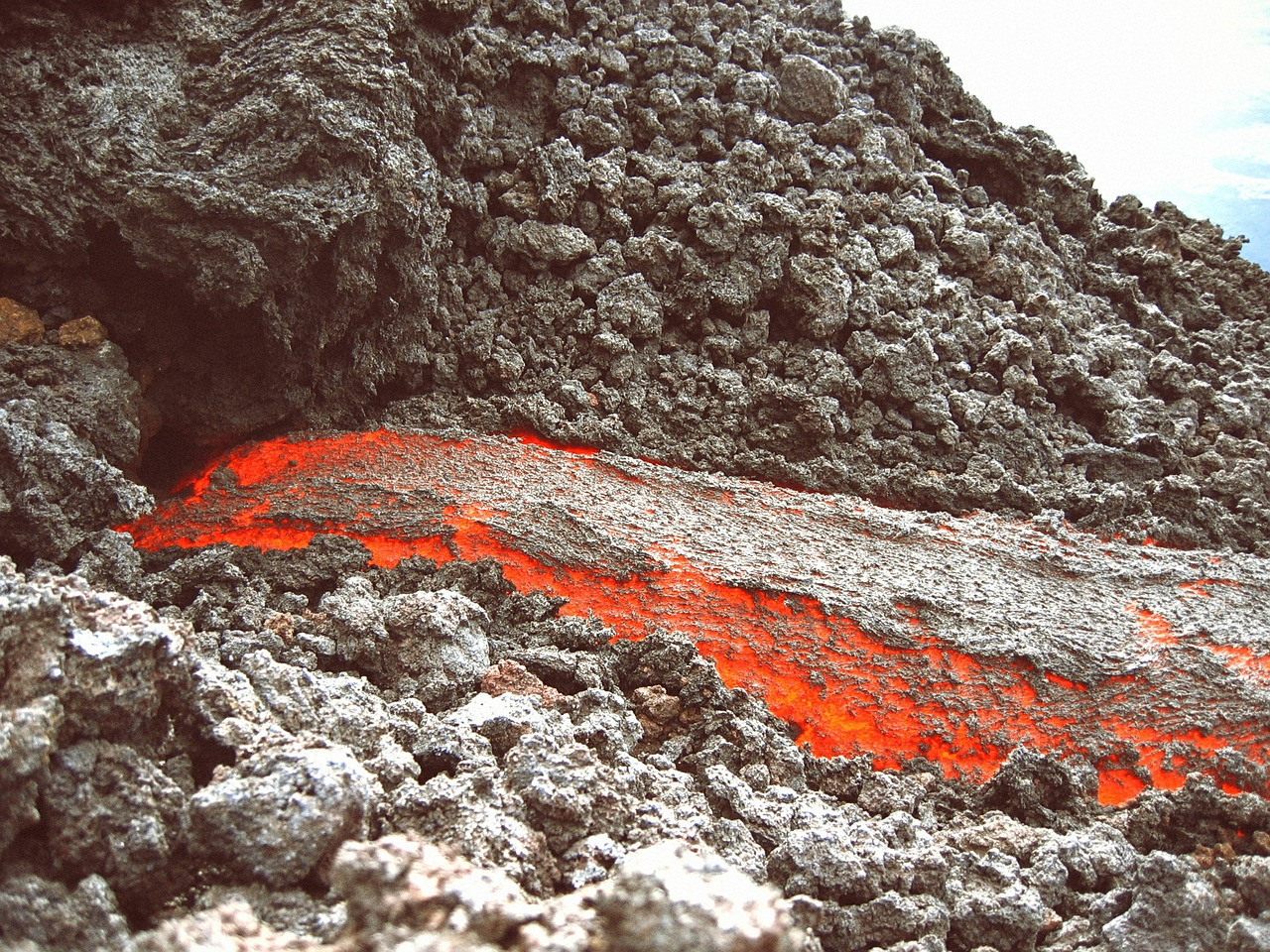
Dramatic television images showed a stream of glowing lava cascading off a cliff into the water, creating a large cloud of smoke.
The lava flow had already generated an impressive deposit of more than 50m high, researchers from the Spanish Institute of Oceanography tweeted, posting pictures from the research vessel Ramon Margalef.
Residents of several areas in Tazacorte, a village near the coast, were told on Monday to stay at home to avoid harm from the release of toxic gases that can take place due to a reaction between the 1,000°C lava and water.
Yesterday afternoon, the slow-moving lava flow, which has varied in speed over the past few days, was still around 800m from the coast.
Residents were warned to stay home due to “the possibility that there will be a small shock when the magma enters the seawater, and that this small shock causes vapours, which can be toxic”, stressed Miguel Angel Morcuende, technical director of the Canary Islands Volcanic Emergency Plan.
Homes destroyed
Experts said the entry of lava into the seawater can cause explosions sounding like gunshots and a fragmentation of the molten rock.
“Inhalation or contact with acid gases and liquids can irritate the skin, eyes and respiratory tract, and may cause breathing difficulties, especially in people with pre-existing respiratory diseases,” Involcan warned.
The two last eruptions on La Palma, in 1949 and 1971, killed a total of three people – two of them from gas inhalation.
A state of natural disaster has been declared on the island, where the molten rock has so far scorched its way across more than 268ha of land and destroyed 656 buildings, according to the European Union’s Copernicus Earth Observation Programme.
The government released €10.5 million (RM51.33 million) yesterday in aid for victims of the eruption, in particular, to buy housing for those whose homes were engulfed in lava.
The eruption has forced the evacuation of more than 6,000 people from their homes but has not killed or injured anyone.
The lava flow has destroyed several roads, with the Canaries regional head Angel Victor Torres estimating last week that the damage to land and property would exceed €400 million.
Since the eruption, the volcano has been spewing huge columns of smoke and ash reaching several hundred metres high, disrupting air traffic.
Domestic flights were cancelled on Friday and the airport was closed the following day.
The airport has since reopened but flights remain suspended.
Experts estimate the eruption can last for several weeks, or even months.
Like other islands in the archipelago off the northwest coast of Africa, La Palma relies mainly on the cultivation of bananas and tourism. – AFP, September 29, 2021