GENEVA – The Swiss vote Sunday on whether to boost their participation in the European border agency Frontex, amid fears a “no” could ultimately push Switzerland out of the Schengen open-borders area.
Switzerland’s government and Parliament have already decided the wealthy Alpine nation, which is not in the European Union but is part of Schengen, should participate in the agency’s planned expansion.
But opponents have slammed the decision and forced the issue to a referendum under Switzerland’s famous direct democracy system.
Opinion polls indicate Swiss voters back the expansion, with the latest survey showing 69% in favour.
Here is an overview of what is at stake:
The reform
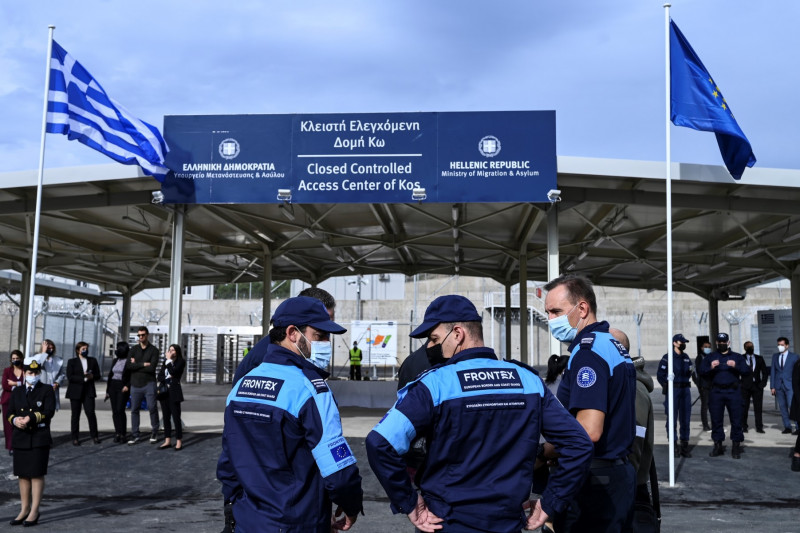
Frontex was created in 2004 to patrol the Schengen area’s external borders, fight cross-border crime and manage migratory flows.
The European Parliament decided to strengthen the agency in the wake of the 2015 migrant crisis.
It voted in 2019 that over the next eight years, Frontex should be equipped with a permanent contingent of 10,000 border guards and coast guards.
Switzerland has been closely cooperating with the EU on security and asylum since 2008, and has been participating in Frontex since 2011.
The landlocked country in the heart of Europe has cooperated on joint flights coordinated by the agency to send back migrants and reject asylum seekers.
The referendum
According to the plan, Switzerland should gradually increase its contribution from six to 40 full-time positions at the agency by 2027.
It should also nearly triple its financial contribution to Frontex to 61 million Swiss francs (RM269 million) annually, up from 24 million francs in 2021.
But the No Frontex committee, made up of various migrant support organisations and with backing from left-leaning political parties, opposed the move and collected enough signatures to force a referendum.
Opponents insist Switzerland should not take part in “human rights violations”, pointing to frequent accusations against Frontex of illegally returning migrants across EU borders, or of turning a blind eye when national authorities themselves carry out such “pushbacks”.
Switzerland’s political right meanwhile fully backs the expansion, including the populist right-wing Swiss People’s Party (SVP), which frequently campaigns against any agreements between Switzerland and the EU.
But there are splits on the issue within Switzerland’s largest party, with some SVP members calling for a “no” vote in the hope that the country will leave Frontex and regain “autonomous control” of its borders.
Automatic exclusion?
The government has warned if voters reject the expansion, Switzerland risks automatic exclusion from the Schengen area.
To avoid getting kicked out, a committee consisting of Swiss representatives, the European Commission and EU member states would need to reach a unanimous agreement within 90 days.
“It is too early to speculate on the result of the vote,” a Commission spokesman in Brussels said.
According to the government, the consequences of a Swiss exit from Schengen “would be felt daily, including through restrictions on the freedom to travel, and would lead to increased costs across the economy”.
“This cooperation is necessary, and it is beneficial for Switzerland,” Swiss Justice Minister Karin Keller-Sutter said. – AFP, May 12, 2022