COLOMBO – Cash-strapped Sri Lanka sharply hiked fuel prices today to a record high, causing further pain to the country’s 22 million people in its worst crisis since independence.
The South Asian island nation has suffered months of dire shortages and anti-government protests, which turned deadly earlier in May with at least nine people killed.
Energy Minister Kanchana Wijesekera said a newly appointed “economic war cabinet” on yesterday approved the new rates to stem huge losses at the state-run Ceylon Petroleum Corp.
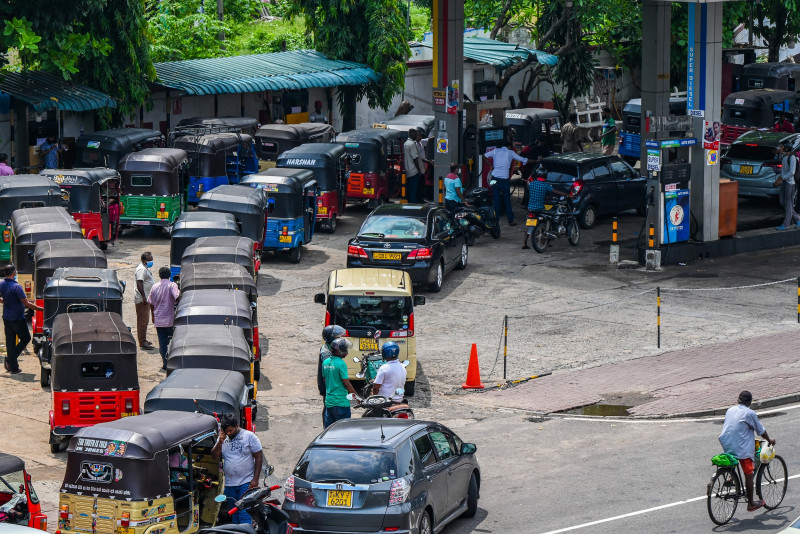
The price of diesel, commonly used in public transport, was raised from 289 rupees (RM16.35) to 400 rupees a litre, a 38% jump, while the cost of a litre of petrol was increased from 338 to 420 rupees.
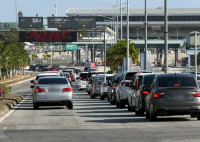
Diesel prices have increased by 230% and petrol has gone up by 137% in the past six months. Both are in short supply and motorists have to queue, sometimes for days, to fill up.
An acute foreign exchange shortage has led to widespread scarcity of fuel, food and medicines, while the population suffers lengthy electricity blackouts and high inflation.
The census office reported yesterday that the country’s overall inflation last month was a staggering 33.8% year-on-year, with food inflation at an even higher 45.1%.
However, an economist at the Johns Hopkins University, Steve Hanke, who tracks prices in the world’s trouble spots, said Sri Lanka’s inflation is even higher than officially reported.
“Using high-frequency data and the purchasing power parity technique, I accurately measure inflation at 122% year-on-year,” Hanke said, referring to March inflation, which was officially 21.5%.
“Inflation is crushing the poorest in Sri Lanka,” he added.
Sri Lanka last month announced a sovereign default on its US$51 billion (RM224 billion) foreign debt and is in talks with the International Monetary Fund (IMF) to secure a bailout.
The government imposed a broad import ban in March 2020 to save foreign currency as dollar inflows slowed.
The local currency has lost its value rapidly. A US dollar bought 200 rupees in March, but the exchange rate has now deteriorated to 360 rupees to the dollar.
The pandemic compounded the country’s economic woes triggered by President Gotabaya Rajapaksa’s drastic tax cuts in 2019 as part of his election pledge.
Prime Minister Ranil Wickremesinghe took office last week after the protest violence forced the resignation of his predecessor Mahinda Rajapaksa, the brother of the president.
Protesters are continuing to demand the president quit, and the country is still without a finance minister to conduct urgent bailout talks with the IMF. – AFP, May 24, 2022