KABUL – Afghanistan is on a precipice. The effects of severe famine and starvation, as well as the adverse impact of climate change, poor governance and rampant unemployment point to a coming humanitarian catastrophe.
The end result: more people displaced and forced to migrate.
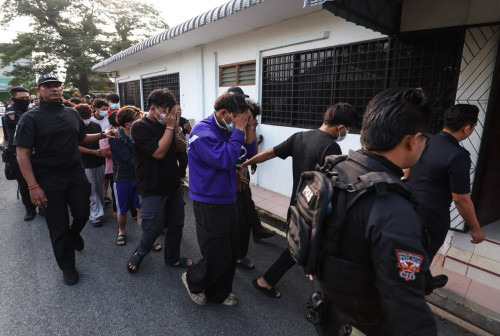
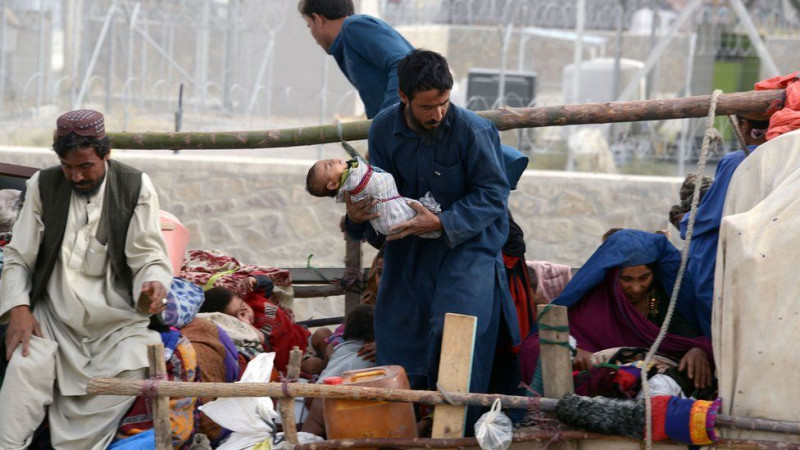
Since the beginning of 2021, some 550,000 Afghans have fled their homes, bringing the number of internally displaced people to at least 4.2 million.
The Covid-19 pandemic, the spring drought of 2021, persisting political insecurities and increased violence have made the crisis more acute. Import restrictions due to Covid-19 and the Ukraine crisis have worsened food security, with close to 22 million people critically food insecure, further fuelling displacement.
Despite playing almost no negative or destructive role in global warming, Afghanistan is one of the world’s most vulnerable countries to climate change. It is also among the least equipped to handle its impact.
Temperatures are on the rise and mean rainfall has been decreasing in Afghanistan, adding conflict over scarce resources to the country’s many existing challenges.
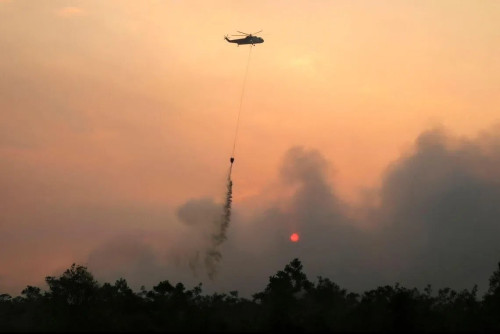
The consequences of climate change such as drought, flood, avalanches, landslides, earthquakes and extreme weather are causing mass displacement, conflict and child marriage, and have even seen people resort to selling their children.
Only around 12% of Afghanistan’s land is arable, and the southern, eastern and central parts of the country are vulnerable to droughts; the northern and north-western provinces witness seasonal floods.
These droughts and floods have increased in frequency in recent years, driving people from their homes. Nearly 80% of conflict in rural areas is over land, water and resources.
Agriculture is a vital part of the country’s economy and, according to the World Bank, used to account for roughly 26% of gross domestic product.
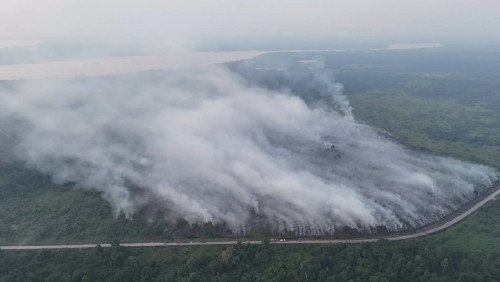
But Afghanistan’s water resources are the most vulnerable to climate change, adversely affecting agriculture productivity. A reduction in rainfall has caused a decrease in the capacities of pastures, impacting livestock production.
Climate change is exacerbating the threats already posed by poverty, weak institutional structures, mistrust between communities, and inadequate access to information and resources.
It has become increasingly difficult to find work and create employment in agriculture. Many of the young generation who worked in the sector have either migrated to neighbouring countries in search of work or joined the insurgency or the military.
When the Taliban took over in August 2021, large sections of the young population migrated to other countries.
Meanwhile, conflict among people over natural resources such as sharing of canal water for irrigation is growing.
Conflicts, violence and human rights violations are human-made crises threatening lives and influencing people’s decisions to leave their birthplace in search of sanctuary. Climate change, also a human-made crisis, threatens to do the same In Afghanistan.
In 2018, 41.3 million people were displaced inside their own countries around the world. By 2020, this number had increased to 55 million. Afghanistan has already seen some of the fastest-growing displacement numbers in the world.
After four decades of brutal war, the link between climate change and conflict is not as clear in any other country as it is in Afghanistan.
The issues of climate change, conflict and growing numbers of displaced people have been raised in many UN meetings. There have been several warnings that these are interconnected problems.
But neither the Taliban and government in Afghanistan nor the UN appear to have considered the magnitude of the coming storm. – The Vibes, June 26, 2022
Mujib Ahmad Azizi has been a senior research officer at the Afghanistan Research and Evaluation Unit since 2011. From 2001 he has worked with national and international NGOs on community development projects and natural disaster projects through community mobilisation programmes, and on issues relating to migration and internally displaced persons through research projects and programmes in Afghanistan. He holds a masters degree in international relations from Avicenna University and has co-authored a number of publications relating to internally displaced persons, climate change, conflict and natural disaster.
This article is part of a Special Report on the ‘Changing face of migration’, produced in collaboration with the Calcutta Research Group.
Published under Creative Commons and in partnership with 360info.org






.jpeg)