KUALA LUMPUR – Malaysia will benefit from its participation in the Regional Comprehensive Economic Partnership Agreement (RCEP) as it enhances economic integration and facilitation between Asean countries and their dialogue partners, namely China, Japan, South Korea, Australia, and New Zealand.
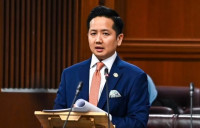
Deputy International Trade and Industry Minister Datuk Lim Ban Hong said each RCEP member state has its own advantages, be they in terms of raw materials, expertise and technology, skilled and quality human resources, or a large market.
He said the RCEP will open up wider market access through the elimination and reduction of tariffs and non-tariffs, harmonisation of technical standards and regulations, and economic cooperation.
“This will facilitate cross-border trade for locally produced products. The RCEP will strengthen regional value chain activities through rules of origin that are easier to use,” he said in response to a question from senator Datuk Husain Awang at the Dewan Rakyat today.
Husain wanted to know about the socio-economic benefits of Malaysia’s participation in the RCEP.
Lim also said that the RCEP will strengthen the integration of local companies in the global value and supply chain to become more competitive on the international stage and become global companies, and it will make it easier for Malaysian companies to obtain raw materials for their manufacturing processes.
Local service providers, including those in e-commerce, can enjoy greater market access in terms of cross-border supply, and create a commercial presence in the RCEP region as it is home to 2.2 billion people, or one-third of the world’s population, he said.
“Companies intending to penetrate the RCEP market and enjoy the tariff privileges provided will choose to invest in this region. This will increase foreign and local direct investment as our country is a destination of choice for investments.
“RCEP participation is also expected to accelerate the regional economic recovery process after Covid-19 through market opening and increased trade facilitation among member states,” he said. – Bernama, December 17, 2020