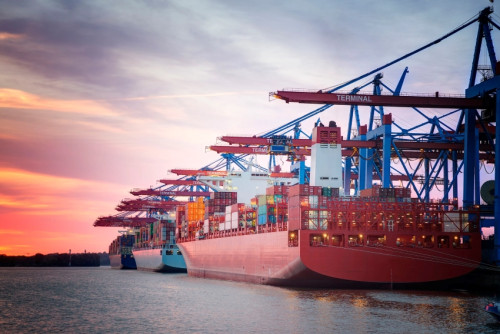

MALAYSIA needs to seek out new export markets other than the traditional developed nations of the United States, China, Japan, South Korea, India and Europe.
This is to ensure Malaysia is able to compete better in the global economy.
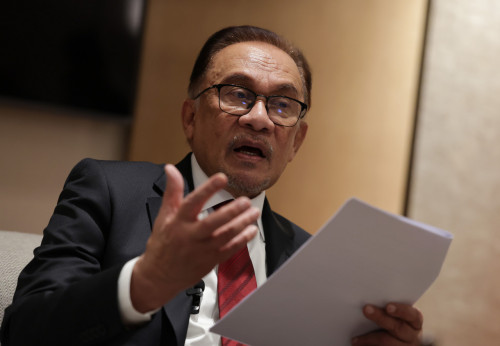
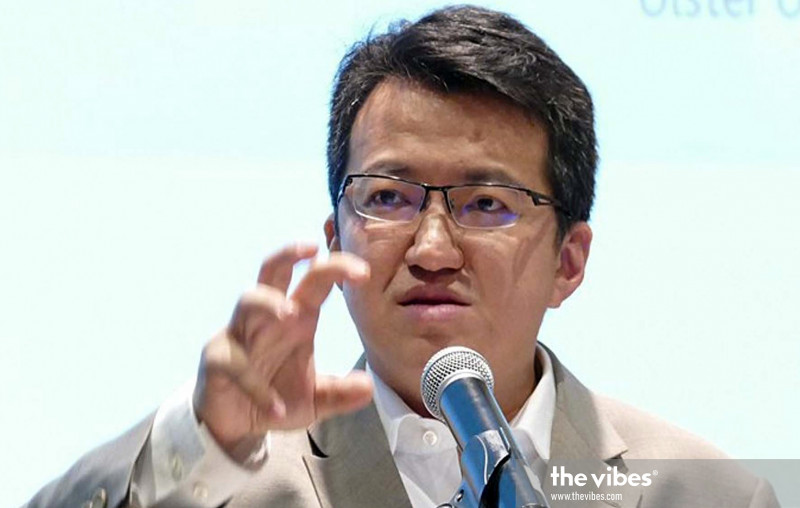
Deputy Minister of Investment, Trade and Industry (MITI) Liew Chin Tong said there is also a pressing need for the country, including the leading economies, to locate new markets to engage in meaningful and win-win trade relations.
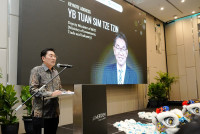
Sharing his remarks when representing MITI Minister Tengku Zafrul Tengku Abdul Aziz at the annual gala dinner of the Malaysian-French Chamber of Commerce and Industry (CCIFM), Liew said that since the end of the Second World War, successive Asian economies have grown rich by mainly exporting to the United States.
However, with the shrinking of the American middle class, that assumption is not going to work any longer, said Liew.
"The world can no longer view the US as the importer of the last resort, and has to create more markets beyond the US consumer market. To create a market, we need to first create consumers. To create the consumers, we need to make them rich enough and feel secure to consume."
Liew touched on the regional grouping of Asean where Malaysia is now its chair, saying that CCFM and Malaysians generally have a mission to make Malaysians and the people of the region richer.
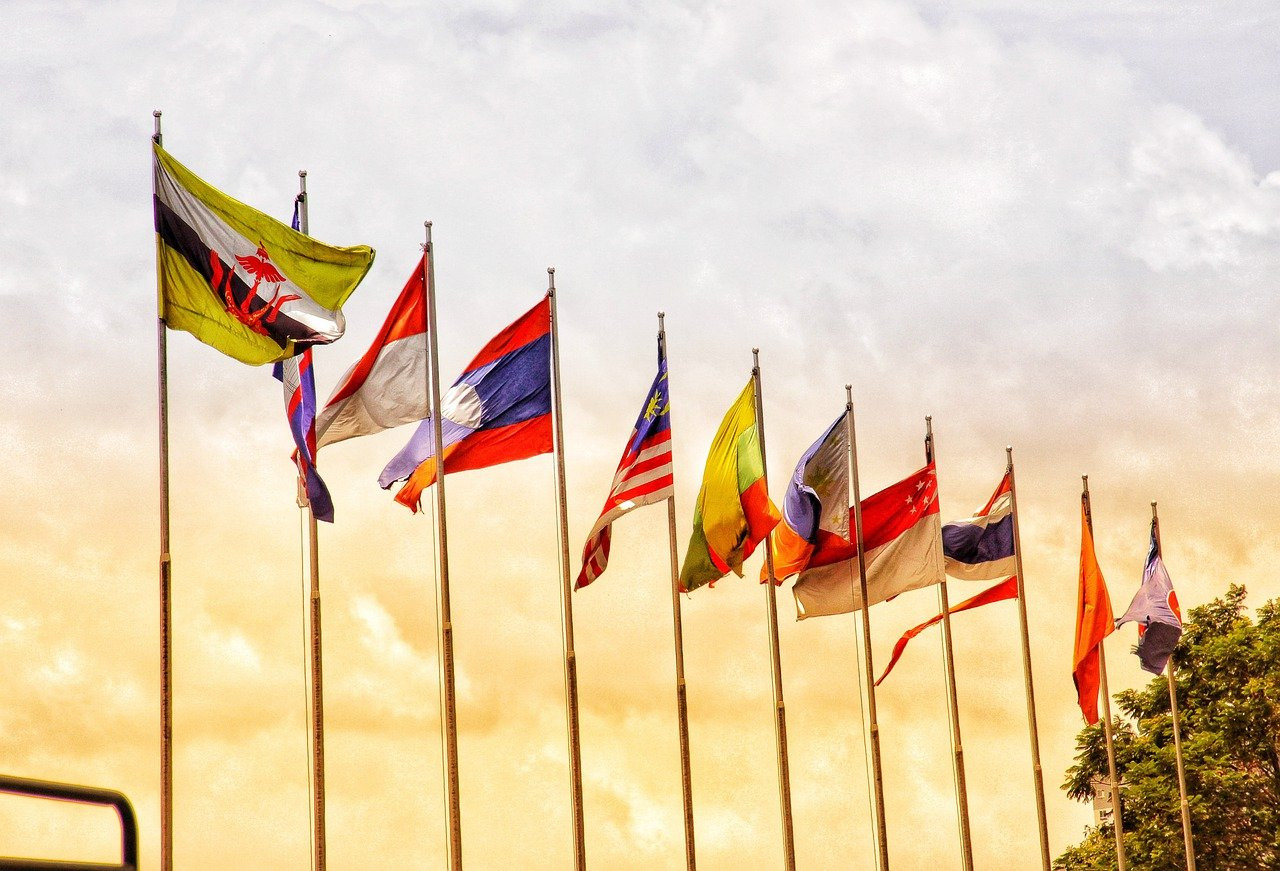
"Asean has a population of 670 million. Assuming that in 15 years with 800 million people, half of them, or 400 million, living a middle-class life and consuming as such, the future Asean middle class would be the size of current China’s middle class."
While the world currently relies on the US, Europe, and China to consume the goods and services produced globally, the private sector should be brave enough to envisage a world with a few more consumer markets, namely Asean, South America, and the Middle East as well as Africa.
To create these markets, the French companies in Malaysia or Asean will have to pay better salaries to Malaysian workers and the workers in the region to enable them to become middle class and for them to feel secure to invest in others, said Liew.
"I am glad to share that Malaysia and France have built strong trade and investment ties over the past decades. Last year, France was ranked as Malaysia’s third largest trading partner within the EU, with total trade amounting to RM16.72 billion, accounting for about eight per cent share of our total trade with the EU. French investments into Malaysia are very diverse, ranging from E&E, infrastructure, aeronautics & defence, manufacturing, retail and services sectors."
"I am also very pleased to learn that about half of the 600 French companies present in Malaysia are built by French entrepreneurs who started their operations in Malaysia."
Liew said that the US and the world are unlikely to revert to the old free trade agenda of unfettered capitalism and trickle-down economy.
"In Europe and in the US, inequality has fueled the rise of right-wing populism. French voters certainly had a taste of a right-wing surge during the European Parliament election and the French election this year. I believe we have a collective responsibility to ensure that societies are more equitable to prevent populism from gaining ground here in Malaysia and in this region."
When the region becomes rich, in exchange, the French companies can benefit by creating a market for their products outside the US, Europe and China.

"I am also asked by the organiser to address the question of the global minimum tax (GMT). I hope French companies will be at the forefront in welcoming the Global Minimum Tax. GMT works in such a way that if a French company is not paying income taxes in Malaysia, the home country, in this case, France, will have to collect 15% of taxes from the said company. The objective of GMT is to ensure that countries do not compete to race to the bottom in terms of offering tax holidays to multinationals."
"If we are serious about creating middle-class markets outside the US, Europe, and China, Malaysia and ASEAN governments will need to collect enough taxes from multinational companies to pay for health care, aged care, child care, and public security of their respective nations so that their people will remain healthy for work, and feel emotionally and physically secured, therefore comfortable to spend as consumers."
Liew said that the most important incentives Malaysia has given to investors are the intangibles: political and societal stability, a very capable multilingual workforce, good infrastructure, and the rule of law. - November 9, 2024.