ECONOMIC growth in the ASEAN-5 group could fall as low as 1.5 per cent in 2026 if the cumulative effects of sustained United States tariffs continue to take hold, according to Southeast Asia economist Dr Tamara Mast Henderson of Bloomberg.
The ASEAN-5 — comprising Indonesia, Malaysia, the Philippines, Singapore, and Thailand — is forecast to grow at just 3.0 per cent in 2025, well below the 4.5 per cent growth estimated for 2024.
Henderson said the drag on growth will come primarily from reduced investment flows, sluggish exports, and deteriorating business confidence.
“More disruption will come from investment in 2025, while the impact from exports is smaller,” she said, as quoted in a research note issued by CIMB Securities Sdn Bhd on Wednesday.
She added that foreign direct investment (FDI) in the region is likely to face stiffer competition as the US steps up its drive to re-shore manufacturing and production.
“These efforts are likely to ‘vacuum up’ capital that would otherwise have flowed into fast-growing Asian markets, making the battle for the remaining FDI more intense,” she warned.
Malaysia, she noted, could be particularly vulnerable. Around 7.5 per cent of the country’s GDP is tied to exports to the US, while overall exports make up more than two-thirds of the Malaysian economy.
“This country is facing a 25 per cent tariff, and given its close relationship with China — including various memorandums of understanding and its participation in BRICS-linked initiatives — the likelihood of those tariffs being lifted is low,” she said.
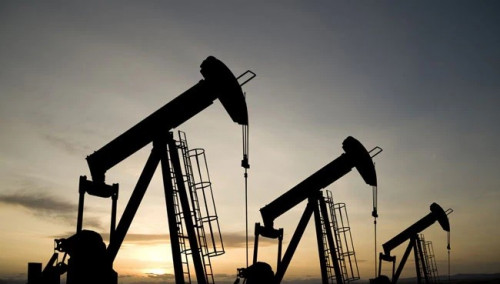
Beyond trade-related shocks, Henderson pointed to a decline in Malaysia’s crude oil output in recent years, which, combined with softer global oil prices, could further strain government revenue and limit the scope for domestic economic support.
She also flagged the vulnerability of Malaysia’s key export sector — electrical and electronic equipment — to protectionist measures.
Henderson projects Malaysia’s GDP growth to fall below 4.0 per cent in 2025, with the risk of an even weaker performance in 2026 should tariff conditions persist.
The United States, too, is not immune to the consequences. Henderson said that higher tariffs would push up input costs, dampen domestic demand, and weigh on overall GDP growth.
“In addition, the tariff regime will limit the Federal Reserve’s ability to lower interest rates in the near term, creating a more difficult macroeconomic policy environment,” she said. - July 17, 2025