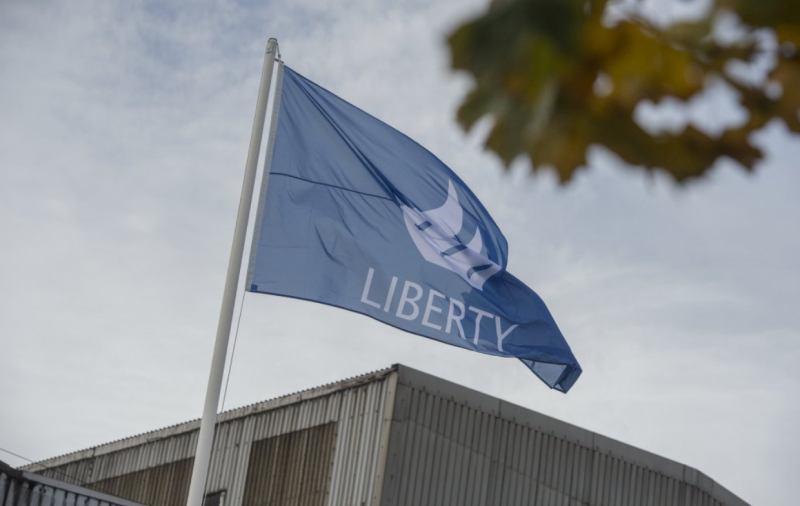
LONDON – Sanjeev Gupta’s Liberty Steel company – one of the world’s largest steel empires – faces an uncertain future after announcing plans to sell three of its UK plants.
Liberty employs 3,000 UK workers and parent company Gupta Family Group (GFG) Alliance has 35,000 employees around the world, with metalworks and mines in Europe, the United States and Australia.
Gupta was once seen as the saviour of British steelmaking but is now fighting for survival following the collapse of its main lender Greensill Capital and fraud allegations.
The Indian-British billionaire has insisted none of his 12 UK sites will close.
Yet this week’s decision to sell three plants in northern and central England plunges 1,500 jobs into uncertainty and comes after three of GFG’s French auto parts factories sought bankruptcy protection last month.
Clive Royston, who represents the Community trade union at Liberty’s Stocksbridge site in northern England, said he wants Liberty to be a “responsible seller” and find a buyer who will “not just strip off assets”.
“We’re worried and don’t have any details. It’s hard because they (workers) are asking questions and I can’t answer,” he told AFP.
Liquidity crisis
Supply chain finance firm Greensill contributed to GFG’s expansion through short-term corporate loans and avoided the stricter regulations imposed on traditional banks.
But its abrupt collapse in March triggered a liquidity crisis at GFG as creditors sought to recall their loans.
It has been reported that Greensill had £3.5 billion (RM20.53 billion) of exposure with GFG.
Greensill’s lawyers claimed its demise could threaten 50,000 jobs worldwide.
Liberty has reportedly not repaid an £18 million loan to Metro Bank, which accuses it of breaching “covenants and restrictions”. Liberty denies the claims.
Negotiations with Swiss banking giant Credit Suisse, which had €10 billion of exposure with Greensill, continue.
The UK government rebuffed Liberty’s request for a £170 million bailout due to concerns over opaque corporate structure and governance.
‘Red Flag’
The risky nature of supporting distressed companies means investors either make huge profits or lose their whole investment, said Dirk Jenter, of the London School of Economics and Political Science.
As sustaining firms can be investors’ best way to recoup their loans, “they (Liberty) are scrambling for money and trying to sell their most liquid assets. It’s an attempt to buy time to keep the company alive,” he added.
Gupta was the majority owner of the indebted Wyelands Bank, which was investigated by the Bank of England in 2019 and wound down in March amid allegations of favouring Gupta’s associates.
This month, the UK’s Serious Fraud Office opened a probe into GFG for alleged fraud, fraudulent trading and money laundering, including its financing activities with Greensill.
Jenter said this investigation and allegations of providing fake invoices would deter potential investors and compound Liberty’s financial woes.
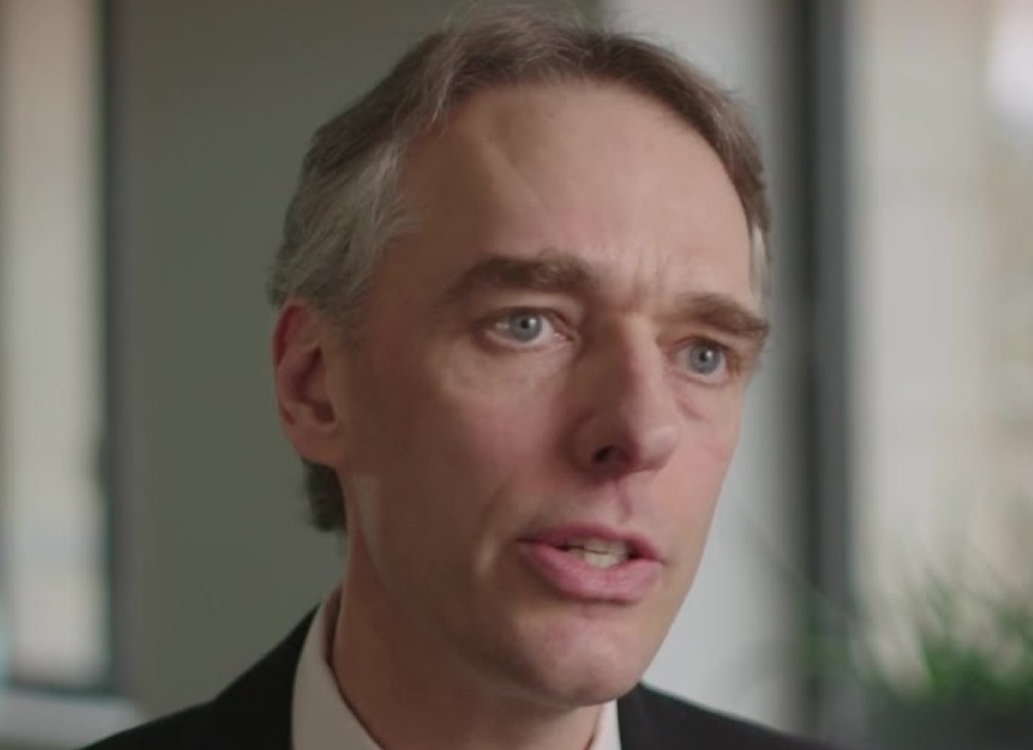
“It’s a red flag. It would take an extraordinarily courageous investor to rely on the numbers provided by Liberty. It makes risking equity almost impossible,” he told AFP.
‘A foundational industry’
Union representative Royston said coronavirus “crippled” Stocksbridge, which supplies the hard-hit aerospace sector, and stressed the need to protect jobs that have defined the region despite several ownership changes over the years.
“There’s not much industry around us. Stocksbridge has been built around the plant. As a lad, you follow your father into the steelworks,” he added.
David Bailey, from the University of Birmingham business school, said all British steel manufacturers faced broader challenges, including higher electricity prices and business rates.
A longstanding glut in the global steel market and Chinese dumping have also undercut British steelmakers.
“You might have a period where companies are successful for a while, then these problems raise their heads again. Liberty ran into issues that are more structural,” he said.
“They were far too reliant on Greensill when it went under and left themselves too exposed.”
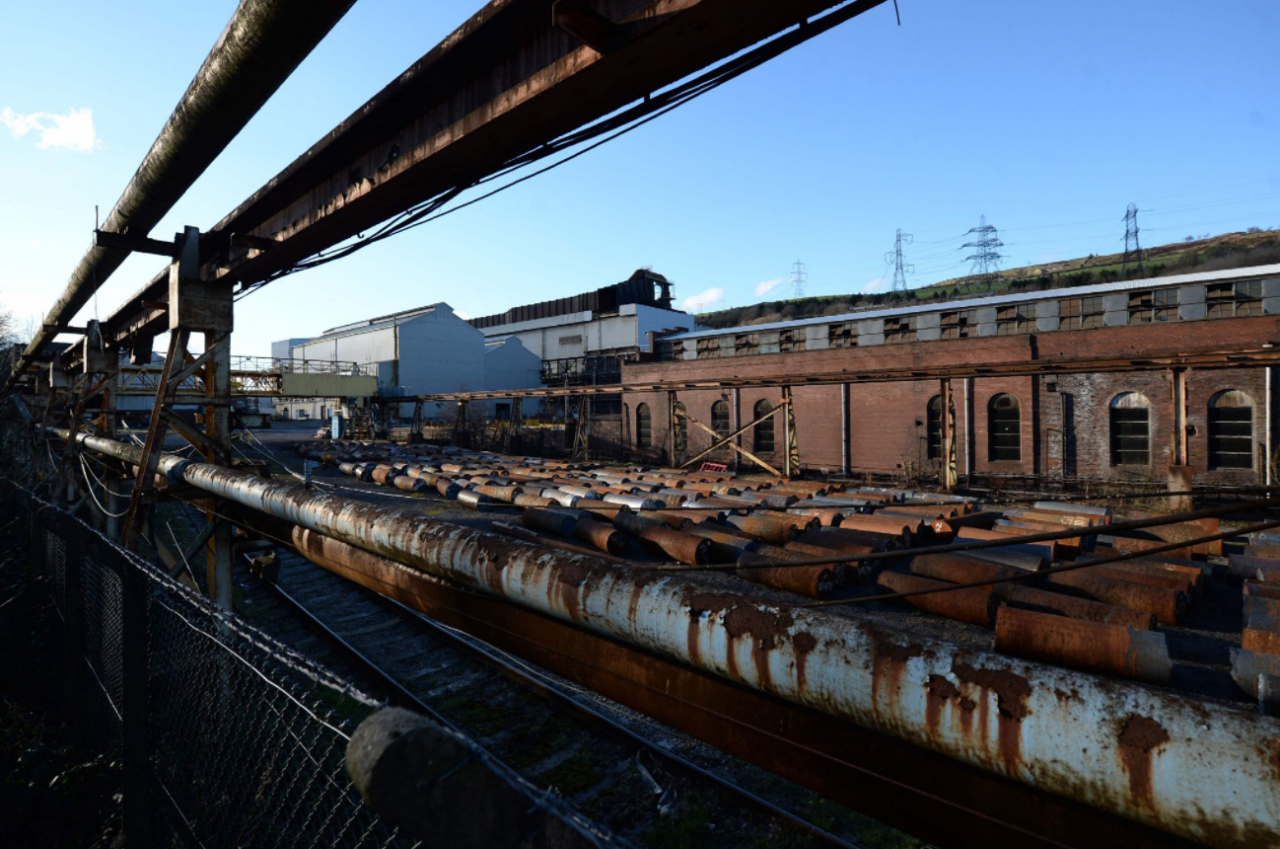
Bailey believes the British government should intervene with an American-style conservatorship – whereby the state runs and reforms companies before returning them to the private sector – to improve competitiveness and prevent damage to related industries.
“There’s a big threat to jobs and this is a foundational industry. We should be doing more to preserve it,” he said.
UK business minister Kwasi Kwarteng recently told lawmakers nationalisation was “unlikely”.
Government support for steelmakers is linked with decarbonisation as the sector pursues an 80% reduction in carbon emissions by 2035.
Liberty has committed to achieving carbon neutrality by 2030 by using more scrap metal and electric arc furnaces powered by renewable energy sources. – AFP, May 30, 2021


.jpg)