BEIJING – China’s exports remained robust last month despite losing some steam, Customs data showed today, with analysts noting a rebound in port activity but warning that the recent spread of the Delta variant could act as a drag on growth.
Outbound shipments from the world’s second largest economy have remained resilient this year, boosted by demand for goods like medical gear and electronics needed to work from home – with a resurgence in coronavirus cases elsewhere increasing reliance on Chinese products.
With strict lockdowns and mass testing, business activity has largely returned to normal in China, although the country is now stepping up measures to contain the spread of the Delta variant with local outbreaks detected in more than a dozen provinces.
But trade remained strong last month, with exports growing slightly less than expected at 19.3% from a year ago, said the Customs Administration.
A Bloomberg poll of analysts had forecast the rise at 19.9% on-year, after a surprise spike of 32.2% in June.
Imports, meanwhile, grew 28.1% from the same period last year, official data showed.
With the latest figures, China’s overall trade surplus came in at US$56.6 billion (RM238 billion) last month, up from US$51.5 billion in June.
Electronic products continued to support export growth in the first seven months of the year even as demand for mask exports eased from last year, official data showed.
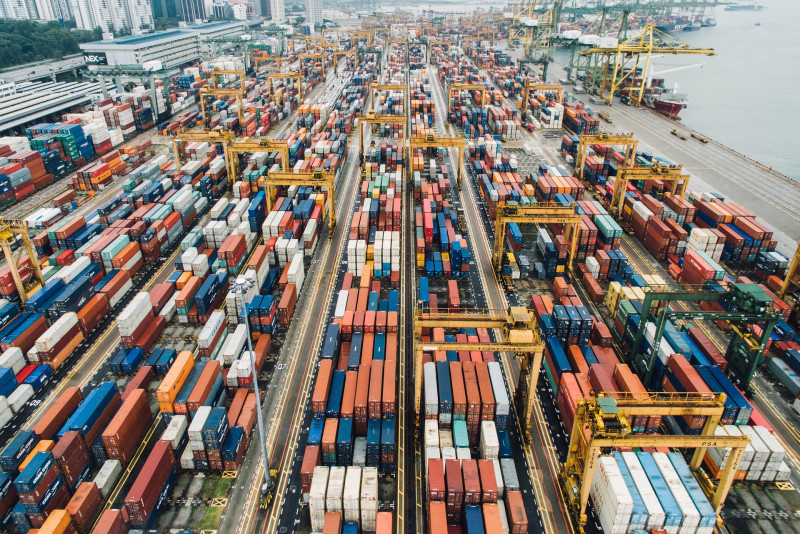
ANZ Research Asia senior strategist Irene Cheung noted this week that there has been a “rebound in port activities” following previous disruption.
“On the other hand, imports could have received a boost from the increase in commodity prices,” she added.
China has been working to temper rising costs of bulk commodities, which have piled pressure on smaller enterprises.
But ING economists added in a note that stricter social distancing measures with China’s Covid-19 resurgence in recent weeks is likely to cause some damage, even if the impact may be somewhat offset by exports of electronic parts and products.
“In addition to the Delta variant, China is dealing with other negative shocks to its near-term growth,” Nomura economists said this week.
On top of natural disasters including heavy rainfall and flooding in the central Henan province, which have constrained economic activity, Beijing has also introduced tightening measures in the property sector and high-polluting industries. – AFP, August 7, 2021