JAKARTA – Indonesia's virus-hit economy contracted in the third quarter, plunging it into its first recession since the archipelago was mired in the Asian financial crisis more than 20 years ago.
Activity in Southeast Asia's biggest economy slumped 3.49% on-year in July-September, the statistics agency said today, with tourism, construction and trade among the hardest-hit sectors.
The data marked the second consecutive quarter of contraction after a 5.3% decline in April-June.
Indonesia last suffered a recession in 1999 during a regional currency crisis that helped force the resignation of long-term dictator Suharto less than a year earlier.
Governments around the world have been struggling to contain coronavirus as the deadly respiratory disease forced the shutdown of vast parts of the global economy.
Indonesia's central bank cut interest rates several times this year in a bid to boost the struggling economy, while the government has unveiled more than US$48 billion (RM199.32 billion) in stimulus to help offset the impact of the virus, which forced a large-scale shutdown that hammered growth.
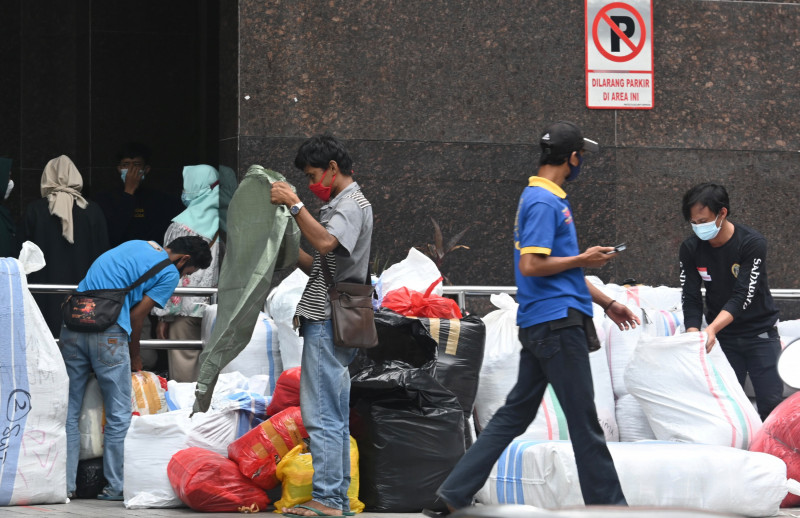
Several million Indonesians have been laid off or furloughed as the archipelago, home to nearly 270 million people, battled to contain the crisis.
Covid-19 infections are still rising in the country, with cases topping 420,000 and more than 14,000 deaths, putting Indonesia among the worst-hit Asian countries.
However, the accurate scale of the crisis is widely believed to be much bigger in Indonesia because the country has one of the low-testing rates in the world.
President Joko Widodo has been greatly criticised over his government's competency in handling the pandemic as it appeared to prioritise the economy.
Boosting annual growth above five per cent had been a top priority for Widodo in his second term, which began late last year.
On Monday, the president signed into law a package of pro-business bills aimed at cutting red tape and drawing more foreign investment as he pushes an infrastructure-focused policy.
But the controversial legislation sparked mass protests in cities across the nation, as activists warned it would be catastrophic for labour and environmental protections. – AFP, November 5, 2020



.jpeg)