
Business

M’sia ‘nowhere near’ extreme high inflation risk: BNM governor

Conditions here differ from US, where acute supply disruption meets strong demand pressures

Updated 4 years ago · Published on 11 Feb 2022 5:12PM

M’sia ‘nowhere near’ extreme high inflation risk: BNM governor
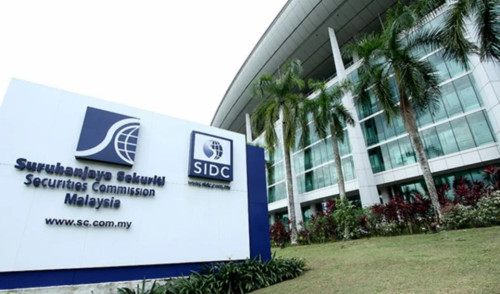
Bank Negara Malaysia governor Tan Sri Nor Shamsiah Mohd Yunus says upward consumer price pressure can mainly be attributed to Covid-19-pandemic-driven supply chain disruptions, as demand recovers in tandem with improving economic conditions due to vaccinations. – EPA pic, February 11, 2022

by Anne Edwards

KUALA LUMPUR – The nation is “nowhere near” the risk of overly high inflation, said Bank Negara Malaysia (BNM) governor Tan Sri Nor Shamsiah Mohd Yunus.

She said that this is because upward consumer price pressure can mainly be attributed to Covid-19-pandemic-driven supply chain disruptions, as demand recovers in tandem with improving economic conditions due to vaccinations.

Nor Shamsiah drew attention to the very high inflation of 8.5% year-on-year rise in the Consumer Price Index (CPI) in 2008, when crude oil prices rose to about US$100 a barrel.

“We will remain vigilant of all the ongoing developments in demand and cost pressures, and will continue to actively engage with industry players to examine evolving price dynamics closely as our economic conditions improve,” Shamsiah told a press conference when announcing Malaysia’s 4Q for 2021.

“Malaysia’s situation is different from the US, which is experiencing ‘the culmination of an acute supply disruption and strong demand pressures’.

“There is also continued slack in our economy and the job market. As such, core inflation is expected to remain modest,” Shamsiah said.

BNM in a statement today said that Malaysia’s CPI increased 3.2% in 4Q 2021 from a year earlier.

For 2021, average inflation was 2.5%, compared to a deflation of 1.2% in 2020.

Shamsiah was commenting on reports today, quoting the US Bureau of Labour Statistics, that the US CPI rose 7.5% in the 12 months ended January 2022 from a year earlier.

“It was the steepest annual price increase since February 1982 and worse than economists had forecast,” CNN reported.

Such sentiment has generated anticipation of US interest rate hikes to combat inflation. – The Vibes, February 11, 2022


Related News

Malaysia / 2w

RM1 ATM fee exemption covers 84 per cent of machines nationwide - Fahmi

Malaysia / 3w

Malaysia’s hidden debt trap: When borrowing becomes a way of life

Business / 1mth

BNM's OPR to stay at 2.75 pcent in 2026 amid strong domestic demand - Kenanga IB

Business / 2mth

BMI sees BNM holding OPR at 2.75% in July, amid contained inflation

Business / 2mth

BNM's international reserves at US$129.7b as of April 30, 2026

Business / 2mth

Bank Negara holds OPR steady at 2.75 per cent

Spotlight

Malaysia

After Johor, the uncomfortable question for Anwar’s critics: Were we too impatient?

By The Vibes Says

Malaysia

Network School's business licences revoked, to cease operations tomorrow

Opinion

Orang Asli in Pahang: Token gestures or genuine recognition?

Malaysia

Tuition teacher sentenced to 105 years in prison and 70 lashes for raping daughter

Malaysia

Azam Baki denies involvement in RM178.29 million contract linked to brother’s company

Malaysia

Aminuddin urges NS voters to weigh manifesto promising benefits for M40 and B40 groups

Malaysia

No need to resign, PM has absolute power if there is doubt – Ahmad Zahid

World

Gaza’s water crisis deepens as families face thirst, disease and collapsing sanitation systems

You may be interested

Business

Govt boosts SME digitalisation support with new smart manufacturing co-investment scheme

Business

Malaysia posts record RM340.9 billion trade in June as exports jump 45.4%

Business

Oil prices near five-week high as US-Iran conflict fuels supply concerns

Business

Plastics industry faces tough year as raw material volatility add to cost pressures

Business

Oil prices rally above US$84 per barrel as US-Iran conflict deepens

Business

Central bank policies remain crucial in shaping currency market movements

By Alfian Z.M. Tahir