BEIJING – China will stop testing some imported goods for Covid-19, its national health commission said, as Beijing struggles to balance its insistence on zero-Covid-19 with fears of economic slowdown.
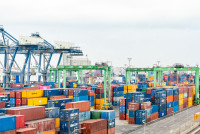
The last major economy committed to stamping out domestic spread of the virus, China has swabbed and disinfected overseas shipments since 2020 and has often blamed imports for resurgent outbreaks.
The restrictions on imported goods had previously created a bottleneck for some products – in one instance requiring thousands of tonnes of tropical fruit to languish at the border with Vietnam while drivers waited to be allowed into China.
Non-refrigerated items, including shipments of coal, mineral ore, foodstuffs and animal feed, can now enter China without being swabbed for Covid-19, the National Health Commission (NHC) said in a statement yesterday, although certain “high-risk” items must still be disinfected.
The NHC said the decision was intended to “ensure the stability of the industrial and supply chains” and noted that “under room temperature conditions, the novel coronavirus can only survive for a short time on the surface of most objects”.
Refrigerated and frozen imports will continue to be tested under current rules.
Scientists say there is little evidence that coronavirus carried on objects like cold-chain products can infect humans, although the United States’ CDC recommends disinfecting surfaces that have been touched frequently by Covid-19 patients.
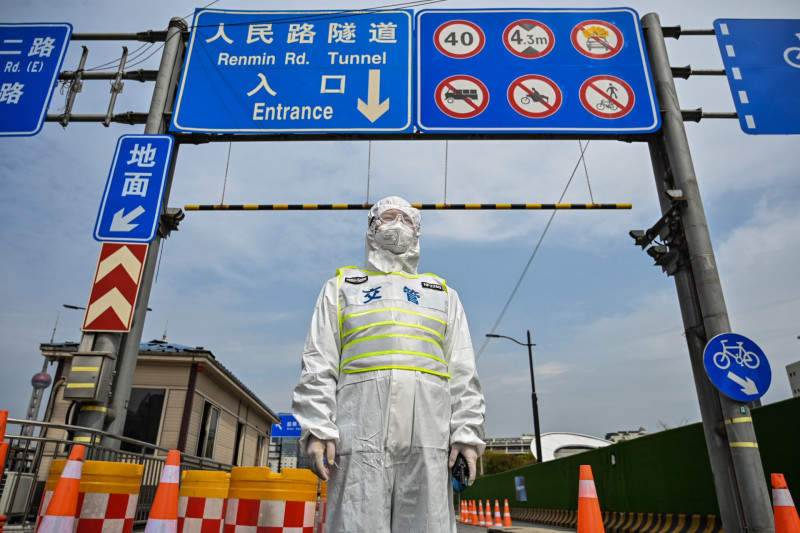
China remains wedded to a zero-Covid-19 policy, crushing new outbreaks with snap lockdowns, forced quarantines and onerous travel curbs despite mounting public fatigue and damage to the economy.
But the strategy has sapped growth, with the country’s biggest city Shanghai sealed off for two months over a virus resurgence – snarling supply chains and causing factories to shut – while dozens of others grappled with tightened rules to fight local outbreaks. – AFP, July 13, 2022