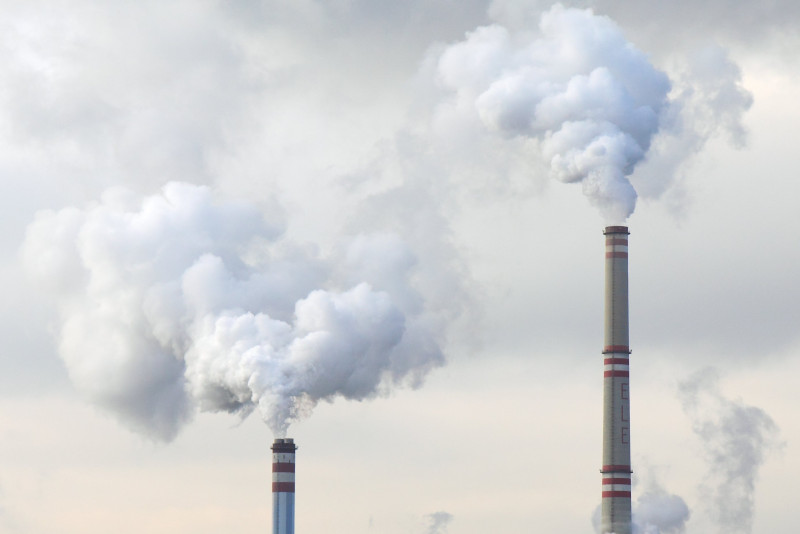
SYDNEY – Australia’s biggest carbon emitter AGL announced today it will close one of the country’s most polluting coal-fired power stations by mid-2035, a decade earlier than previously targeted.
The closure of the Loy Yang A Power Station in the eastern state of Victoria’s Latrobe Valley will complete AGL’s exit from all coal-fired energy generation, the group said.
“This represents one of the most significant decarbonisation initiatives in Australia,” said the energy group’s chair, Patricia McKenzie.
Once AGL closed its coal-fired power stations, the company would be net zero for direct and indirect carbon emissions, McKenzie said.
AGL said its largest coal-fired power station Bayswater, in New South Wales, remains on track to close before 2033.
The group’s incoming interim chief executive, Damien Hick, said the closures were “a major step forward in Australia’s decarbonisation journey”.
Operations at AGL, Australia’s largest energy company, have been under intense pressure in the past year, with green groups and shareholder activists pushing for a faster transition away from coal.
Billionaire green activist Mike Cannon-Brookes tried to buy the company for about US$6 billion (RM27 billion) – an offer AGL rejected in March, saying it was “well below the fair value of the company”.
Two months later, AGL abruptly announced the departure of its chairman Peter Botten, chief executive Graeme Hunt and a string of board members.
It also scrapped a long-planned move to spin off its lucrative but highly-polluting coal business, a “demerger” strongly criticised by Cannon-Brookes and Greenpeace.
McKenzie framed the decision to sprint to net zero emissions as sound business that would enable the firm to “access a wider pool of capital and attract new investors”.
“We have listened to our stakeholders – in particular, our shareholders, as well as government and energy regulatory authorities,” she said.
“Their views were an important consideration as we reviewed the company’s strategic direction after withdrawing the demerger proposal.” – AFP, September 29, 2022