MUMBAI – India's economy contracted 7.5% between July and September, putting it among the worst-performing major advanced and emerging economies as it entered a technical recession for the first time since independence, official data showed Friday.
Although the figures were an improvement on the record 23.9% contraction recorded last quarter, they indicate that Asia's third-largest economy is in for a tough fight as it attempts to revive demand and create jobs even as coronavirus infections climb.
The two successive quarters of contraction mean the country has now entered a “technical recession” for the first time since 1947.
After virus-related lockdowns ravaged the globe, the growth recorded by major economies including the United States, Japan and Germany during the quarter ending on September 30 raised expectations that India would also enjoy a revival.
But, while consumer businesses saw a boost due to increased spending in the run-up to the October-November festive season, hopes of a broader recovery were dashed, with the construction and hospitality sectors taking a hit.
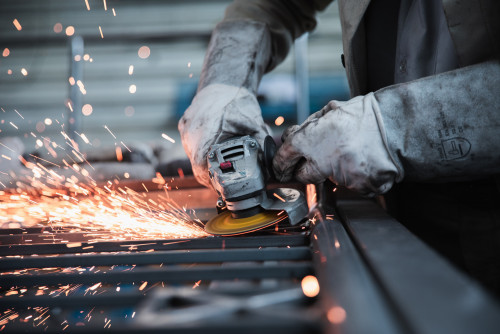
Farming continued to be a relatively bright spot, while manufacturing activity also increased during the July-September period after plunging nearly 40% during the previous quarter due to the lockdown.
Analysts said the figures were encouraging, suggesting that the economy would likely fare better in the next quarter.
“The worst is over for the Indian economy looking at all the indicators. We will see a continued improvement... going forward”, said Sameer Narang, chief economist at the State Bank of Baroda.
Narang said that Friday’s data had beaten the bank's estimates of an 8% contraction and said the economy was primed for a recovery so long as a spike in infections did not trigger a fresh lockdown.
Economist Vivek Kumar of QuantEco Research said that the uptick in manufacturing boded well for India after factories endured prolonged closures following the months-long lockdown announced late March.
“India’s recovery is led by the manufacturing and not services sector and a similar trend is seen in all major economies. Even before Covid-19, manufacturing was struggling a bit so these are encouraging signs,” he said.
New Delhi has struggled to kick-start an economy that is expected to shrink 9.5% this year, according to estimates released by India’s central bank governor Shaktikanta Das last month.
The International Monetary Fund has meanwhile predicted that India's economy would contract by 10.3% this year, the biggest slump for any major emerging economy and the worst since independence.
A report by Oxford Economics released earlier this month said that India would be the worst-affected economy even after the pandemic eases, stating that annual output would be 12% below pre-virus levels through 2025.
India's economy had struggled to gain traction even before the pandemic, and the hit to global activity from the virus and one of the world's strictest lockdowns combined to deal the country a severe blow.
The shutdown in the vast country of 1.3 billion people left huge numbers of people jobless almost overnight, including tens of millions of migrant workers in the shadow economy.
The government has since been easing restrictions to revive activity, announcing two stimulus packages to offer farmers easier access to credit and dole out benefits to small businesses.
The relaxation measures have been deployed even as the coronavirus continues to ravage the country, which has registered more than 9.3 million infections – second only to the United States – and over 135,000 deaths.
In a speech on Thursday, central bank governor Das warned that the recent surge in virus cases and the imminent threat of new lockdowns posed further risks to the economy.
“We need to be watchful about the sustainability of demand after the festivals and a possible reassessment of market expectations surrounding the vaccine,” Das said. – AFP, November 30, 2020



.jpg)