Business

Huawei replaces thousands of US-banned parts with Chinese versions

However, still facing difficulties with manufacturing advanced microchips, founder says

Updated 3 years ago · Published on 18 Mar 2023 4:00PM

Huawei replaces thousands of US-banned parts with Chinese versions
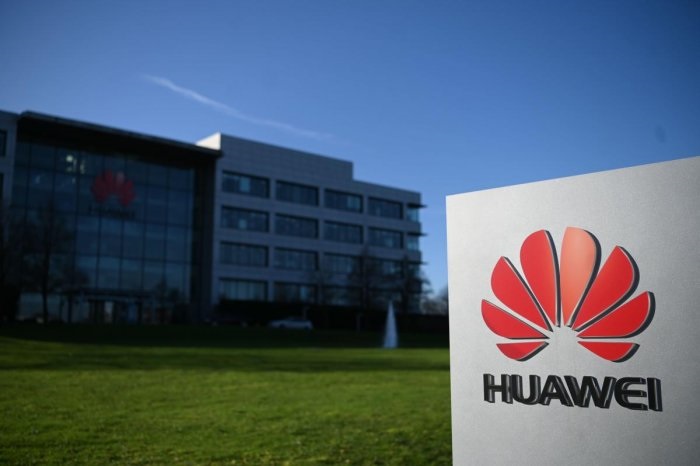
A leading supplier of telecom gear, smartphones and other advanced equipment, Huawei has been repeatedly targeted by the United States in recent years over cybersecurity and espionage concerns. – AFP pic, March 18, 2023

BEIJING – Chinese technology giant Huawei has replaced thousands of product components banned by the United States with homegrown versions, its founder has said, according to a transcript of a recent speech released by a Shanghai university.

A leading supplier of telecom gear, smartphones and other advanced equipment, Huawei has been repeatedly targeted by Washington in recent years over cybersecurity and espionage concerns.

The administration of former president Donald Trump effectively barred American companies from doing business with the firm, and his successor Joe Biden has imposed further sanctions including a ban on sales of new Huawei equipment in the United States.

The moves have forced the firm to find new ways to obtain semiconductors and other parts, with founder Ren Zhengfei saying Huawei has replaced more than 13,000 components with domestic versions in the past three years, according to the transcript posted by Shanghai Jiao Tong University yesterday.

The company has also redeveloped more than 4,000 circuit boards for its products, Ren said during the talk, which took place on February 24.

“As of now, our circuit board (production) has stabilised, because we have a supply of domestically produced components,” he said.

He did not give details about which specific parts were being sourced from within China or what proportion of Huawei’s total supply they represented.

Ren’s claims could not be independently verified and a Huawei representative gave no further comment when contacted by AFP today.

Responding to a question from an audience member, Ren said there are still “difficulties with manufacturing advanced microchips in China, so we have to find other ways of making up ground (with the US) on chips”.

He added that Huawei spent US$23.8 billion (RM106.75 billion) on research and development last year, and would invest more in the coming years as profits rise.

“We’re still in a difficult period, but have not stopped on the road towards progress,” he said. – AFP, March 18, 2023

Related News

Malaysia / 1w

PM Anwar loses beloved elder brother; Idrus Ibrahim passes away

Malaysia / 1w

Anwar asks Loke to reconsider resignation over Najib pardon

Opinion / 3w

Foreign influence, covert activities within Malaysian politics and society

Malaysia / 3w

Jokowi calls on global institutions to meet  needs growing, interconnected world

Malaysia / 1mth

Billionaire numbers reach record high as wealth remains concentrated

Malaysia / 1mth

Anwar backs One China policy, says Beijing can pursue reunification

Spotlight

Diary

Penang reaffirms commitment to preserve heritage sites across the state

By Ian McIntyre

Opinion

AI: A Godsend for those with dyslexia in education and careers

Malaysia

Malaysia prepares for aged nation status by 2036

Malaysia

Mentally disabled suspect remanded for 7 days over fatal hammer attack in Marang

Malaysia

Masidi urges Putrajaya to address Sabah doctor shortage in upcoming Budget 2027

Malaysia

Police rearrest motivational speaker as second woman files harassment report in Perlis

Malaysia

Anwar vows zero compromise on school safety after alleged murder of teen Irene Sofiya

Malaysia

Classmates arrested as police probe fatal assault of 16-year-old Irene Sofiya

Malaysia

Loneliness, social media drive elderly pensions into hands of cyber scammers

Malaysia

Another desperate attempt by Nadzaruddin and former Undangs

You may be interested

Business

Oil and fuel prices fall as G7 nations agree to historic emergency stock release

Business

Local contractors offered RM12.7 million ECRL facilities management packages