Business

IMF warns of ‘more salient’ risks to further trade fragmentation in Asia Pacific

Region remains vulnerable to reduced cross-border trade flows, foreign direct investment, report says

Updated 3 years ago · Published on 02 May 2023 1:55PM

IMF warns of ‘more salient’ risks to further trade fragmentation in Asia Pacific
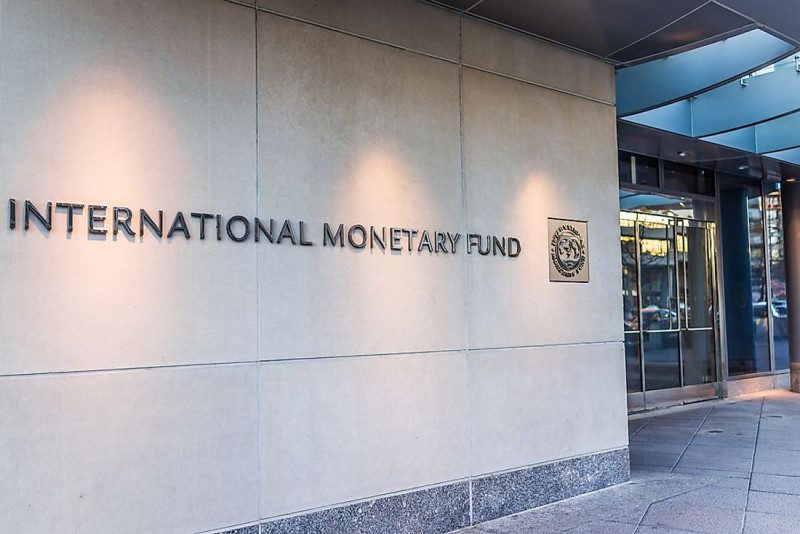
International Monetary Fund’s Regional Economic Outlook for Asia and the Pacific report says the impact on Asian economies would depend on the degree of export exposure to China’s domestic demand and investment and on global value chains via China. – Wikipedia pic, May 2, 2023

WASHINGTON – The risks of greater trade fragmentation in the Asia Pacific region are becoming more noticeable, the International Monetary Fund (IMF) said, reported Sputnik.

“Risks of further global trade fragmentation are becoming more salient,” the IMF said in its Regional Economic Outlook for Asia and the Pacific yesterday.

The risks fuelling the ongoing trade disputes between the United States and China include the new restrictions on trading high-tech products and the heightened geopolitical tensions linked to the conflict in Ukraine, the report said.

The IMF warned in the report that Asia remains especially vulnerable to reduced cross-border trade flows and foreign direct investment.

A potential reduction could be effected by the world fragmenting into multiple blocs, with Asia’s exporters heavily exposed to China, Europe, and the United States, the report said.

“Meanwhile, the medium-term slowdown in productivity and investment in China – which could sharpen due to fragmentation pressures – may have profound and unanticipated adverse implications for the rest of the region,” the report said.

The impact on other Asian economies would depend on the degree of export exposure to China’s domestic demand and investment and on global value chains via China, the report said.

The IMF said it expects the region’s economic growth to increase to 4.6% in 2023 from 3.8% in 2022.

“This means the region would contribute around 70% of global growth. Asia’s dynamism will be driven primarily by the recovery in China and resilient growth in India, while growth in the rest of Asia is expected to bottom out in 2023, in line with other regions,” the report said.

At the same time, core inflation in the region will follow the global trend and continue to be persistent despite signs that it is easing, the report added.

The financial conditions in Asia have generally eased since last October despite the Asian central banks continuing their monetary tightening cycle, according to the report. – Bernama, May 2, 2023


Related News

Malaysia / 1d

Anwar backs One China policy, says Beijing can pursue reunification

Malaysia / 1d

Disturbed woman at KLIA taken to hospital, had forgotten to take medication

Malaysia / 1d

Woman, believed to be foreigner, allegedly causes disturbance at KLIA (video)

Malaysia / 3w

12 officers, police personnel arrested in RM2 million extortion case

Malaysia / 3w

Kedah MB’s “Cina ada China, India ada India” remark draws criticism over citizenship narrative

Tech / 1mth

Penang’s Tech Dome celebrates 10th anniversary with opening of new space gallery

Spotlight

Malaysia

Private university CFO charged over alleged RM6.56m CBT

World

Unleashed 60kg dog in Hong Kong mauls poodle, bichon frise to death (video)

Malaysia

Three family members killed after Immigration truck runs red light

Malaysia

Woman, believed to be foreigner, allegedly causes disturbance at KLIA (video)

Opinion

Has DAP chosen the path to a slow death?

Malaysia

Three years of bullying at school puts 15-year-old at risk of hearing loss

By Alfian Z.M. Tahir

Malaysia

Police officer's wife cries, pleads for leniency after misusing disabled child's account

Malaysia

Organised cybergroups likely behind rise in racial hate on social media

You may be interested

Business

Tey Por Yee and four others ordered to pay RM103.75m in SC civil suit

Business

FMM urges input tax credits as government reviews GST features for SST

Business

Oil prices hold above US$84 as Middle East tensions persist