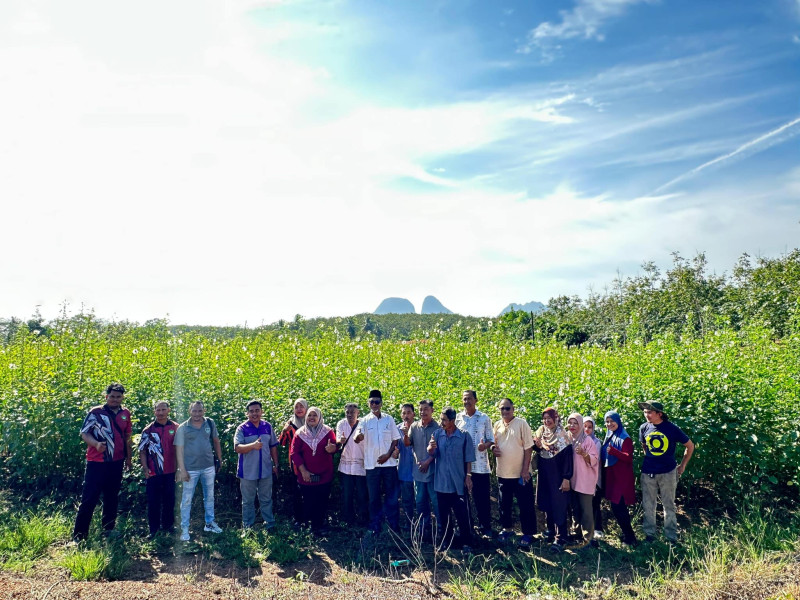

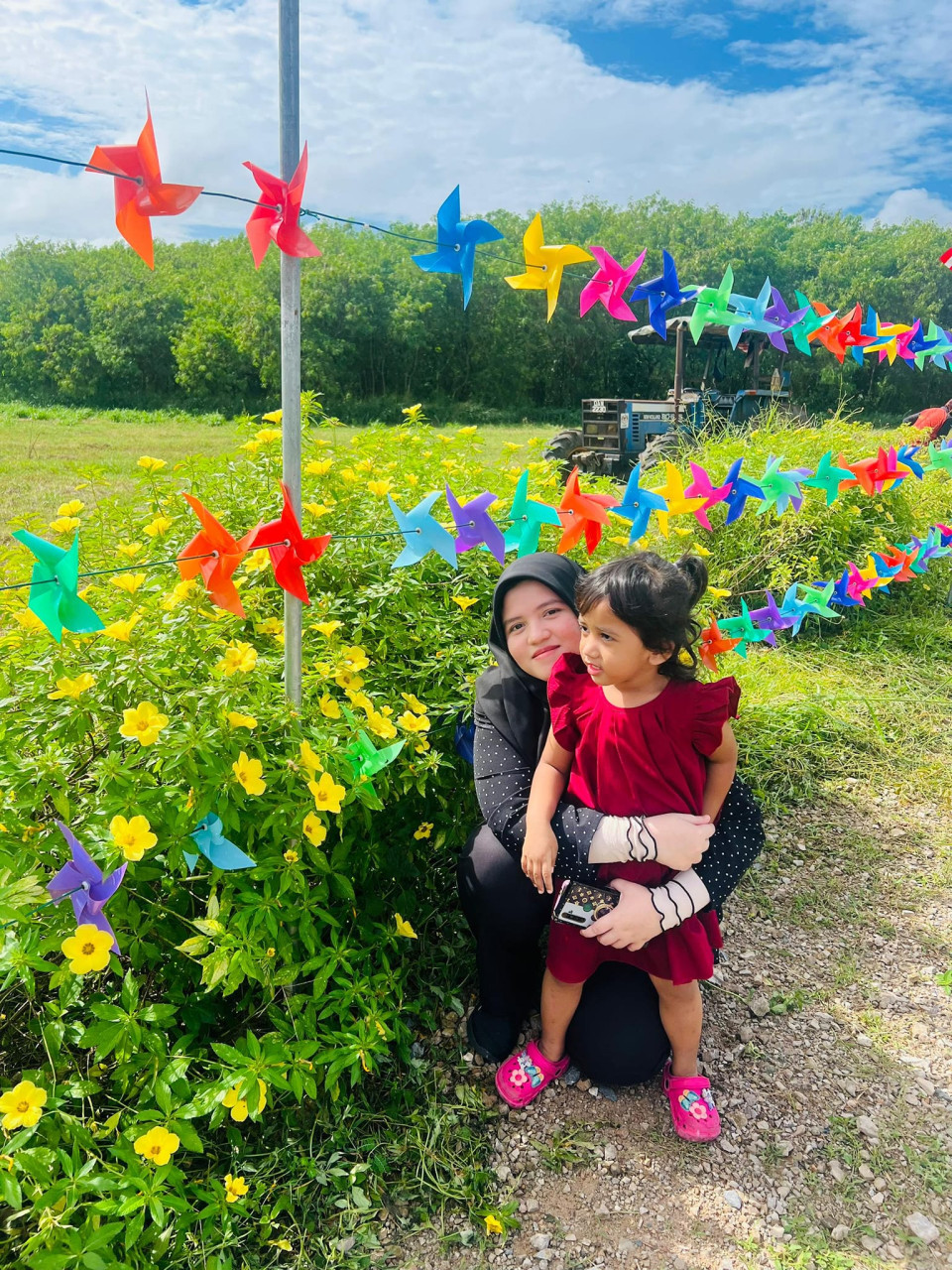
THE Chuping Kenaf Valley in Padang Besar, Perlis, has since grown to become one of the state's leading tourist attractions.
It is part of the Kenaf Integrated Park in Batu Bertangkup, just off the Malaysia-Thailand border in the Padang Besar area.
Here, kenaf grows abundantly due to the dry soil and the fact that Chuping enjoys the hottest climate in the country, at times going beyond 97 degrees Fahrenheit.
It is a concept of setting up a one-stop centre to produce kenaf seeds, which are then distributed directly to the private and public sectors.
In the past few years since it began growing and blooming with flowers in Chuping, it has attracted an encouraging number of domestic tourists.
Now the location is also popular as a hiking trail, as the kenaf plant species here either grow up to five or seven metres long - creating numerous trailing paths for one to easily hike through.
In light of such developments, National Kenaf and Tobacco Board (LKTN) chairperson Datuk Wan Abdul Rahim Wan Abdullah has conveyed his intention to the Kedah LKTN department to explore the possibility of planting kenaf in Langkawi.
Rahim said the island resort, which is the country's premier tourism destination, has a vast tract of land to grow the industrial-based plant, which will supplement the income of farmers while also helping cultivate it into a tourism product.
The onus is now on finding the right ecosystem to make it a viable plant in Langkawi.
To do it, Rahim stressed the importance of sustainable practices in Langkawi where the entire plant can be converted into animal feed and other downstream products which it can help produce.
He also welcomes the interest of the private sector to work with LKTN on this matter.
Currently, kenaf is grown in mainly Kelantan, Perlis and Kedah with smaller tracts in Pahang and Perak.
LKTN also has plans to expand it to Sabah and Sarawak, which have large amounts of land.
Kenaf (Hibiscus cannabinus) is a fibrous plant belonging to the Malvaceae family, which is commonly grown for its strong fibres, seeds, and oil.
It's native to tropical and subtropical regions of Africa and Asia, but it has been cultivated in Southeast Asia, including in the United States, India, and China.
The plant can grow up to 10 feet (3 meters), and it has a similar appearance to hibiscus, with large, broad leaves and vibrant flowers.
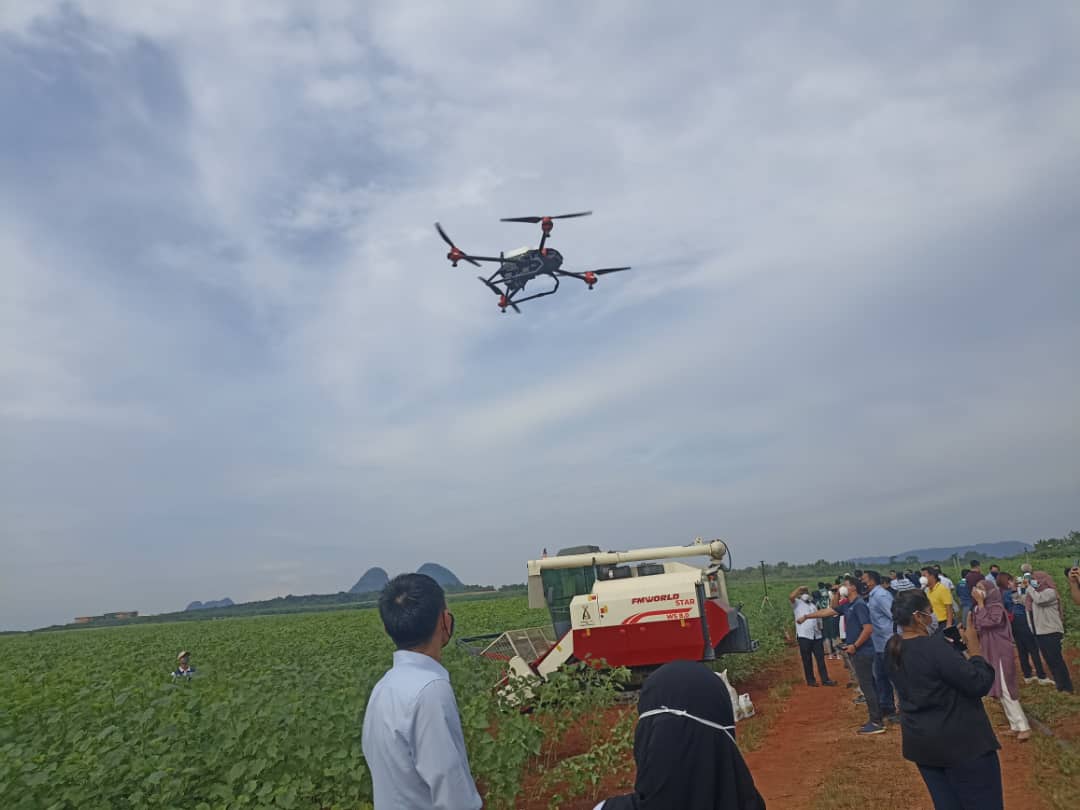
It produces fibres, which are used in rope, twine, mats, textiles and paper production.
In Malaysia, it is also converted into protein animal feed for livestock farmers.
Rahim pointed out that kenaf is touted as a sustainable crop compared to many others because it grows quickly and requires limited water and chemical intakes.
Additionally, it can help with soil erosion control due to its dense root system.
It is also regarded as a plant with medicinal uses and the Universiti Malaysia Kelantan has also explored it for a pharmaceutical product and biofuels - January 27, 2025.