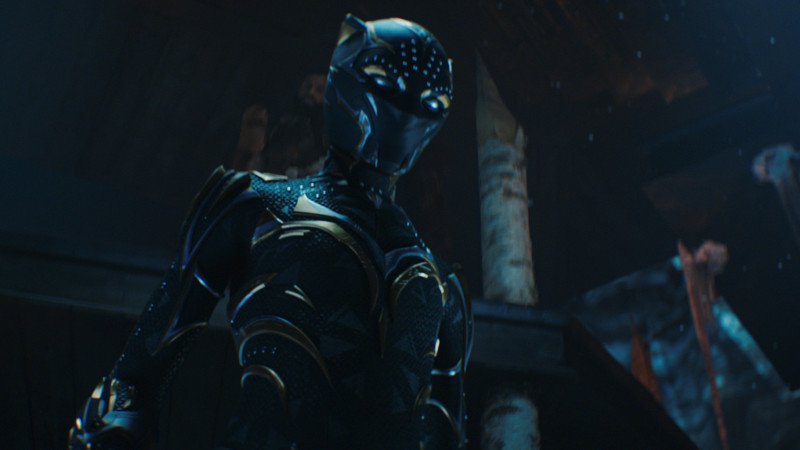

TRAGEDY and sadness hang over much of Black Panther: Wakanda Forever, really even before the first frame, as the real-life death of actor Chadwick Boseman – who played King T’Challa (aka Black Panther) in four MCU films – casts a shadow over the movie.
Instead of recasting the now iconic role, writer-director Ryan Coogler decided to come to grips with the star’s passing in Wakanda Forever’s story. The very first scene is painfully familiar to anyone who has lost a close family member.
The feelings of helplessness and powerlessness that many of us have felt are almost amplified because superheroes are not supposed to die like this.
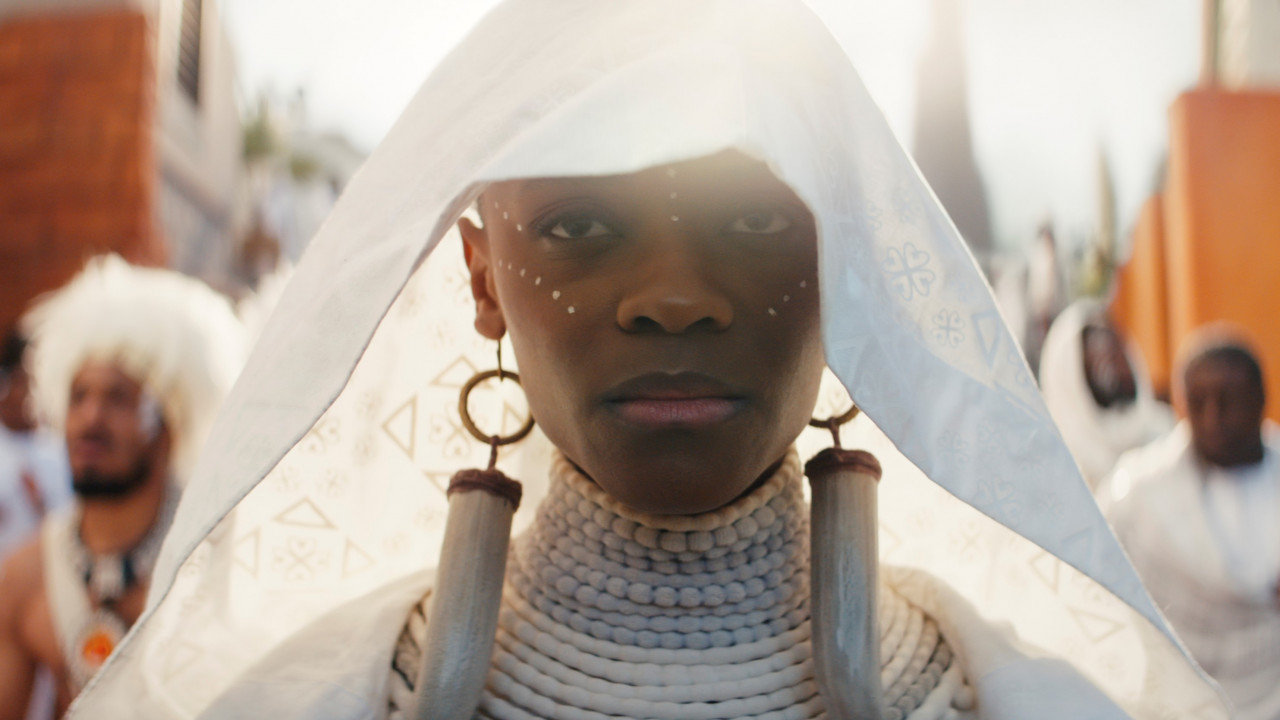
Most of the film, in between the comic book worldbuilding and spectacular – if sometimes bewildering – action spectacle, deals with Shuri’s (Letitia Wright) journey in accepting her brother’s death and moving forward by accepting her own responsibility.
She’s assisted by a stacked deck of some of the most talented black actresses working today in Angela Bassett as her mother Queen Ramonda, Danai Gurira as the warrior general Okoye, and Lupita Nyong’o as retired spy Nakia. Joining them is newcomer Dominique Thorne as Riri Williams, the latest in a long line of Marvel geniuses.
They’ll need to come together and then some to face the formidable Namor (Tenoch Huerta), a superpowered ‘mutant’ who rules over a kingdom at the bottom of the ocean and has a centuries-long animosity towards the surface world. He brings a mix of charisma and menace that makes him one of the better Marvel villains.
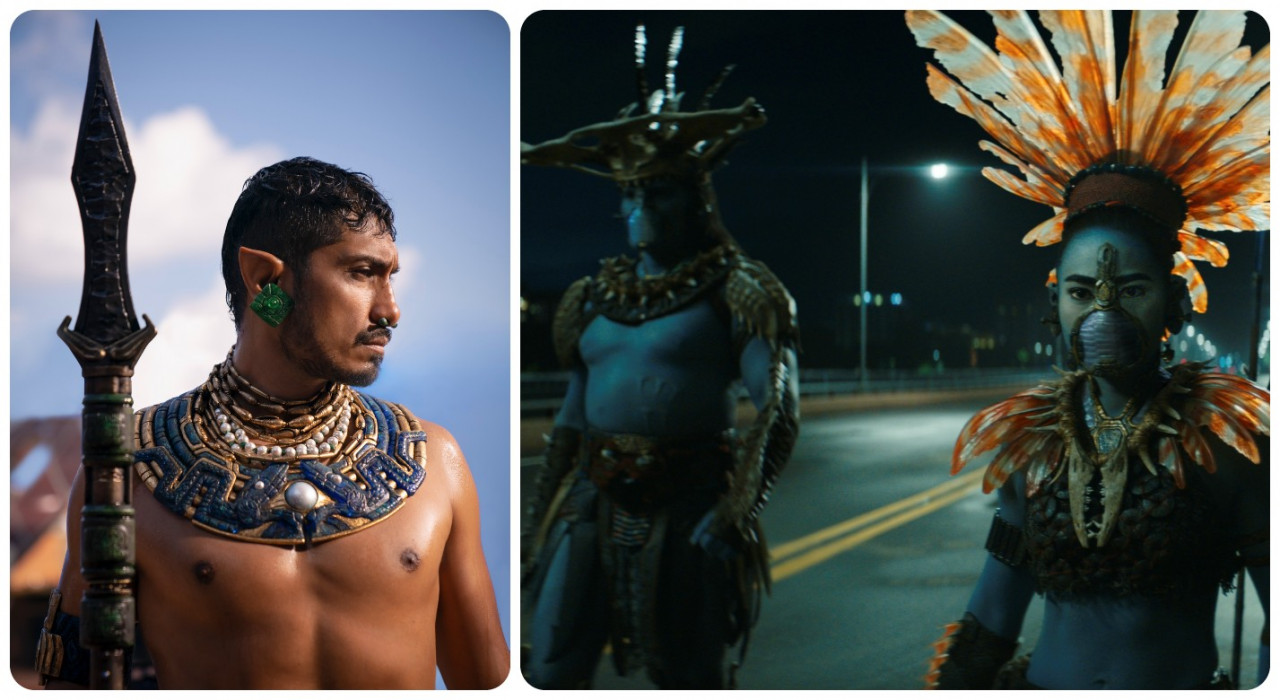
If that sounds eerily similar to DC’s Aquaman, it should, as the two characters share a lot of similarities. However, Namor debuted in 1939, while Aquaman came later in 1941. To differentiate this version of Namor, Marvel has based the character’s design and that of his people on the Mayans, the native inhabitants of Mexico, thought to have been wiped out by the Spanish.
Wakanda Forever, continues with some of the anti-colonial messages from the first Black Panther, even going deeper and being more blunt about it, in a way that is refreshing to see in such a big-budget production.
Early in the film, it is established that the United States and France want access to vibranium, even going so far as to paint Wakanda as a rogue nation. In their quest to find more of it, the Western nations wake up Namor and his people, setting the conflict in motion.
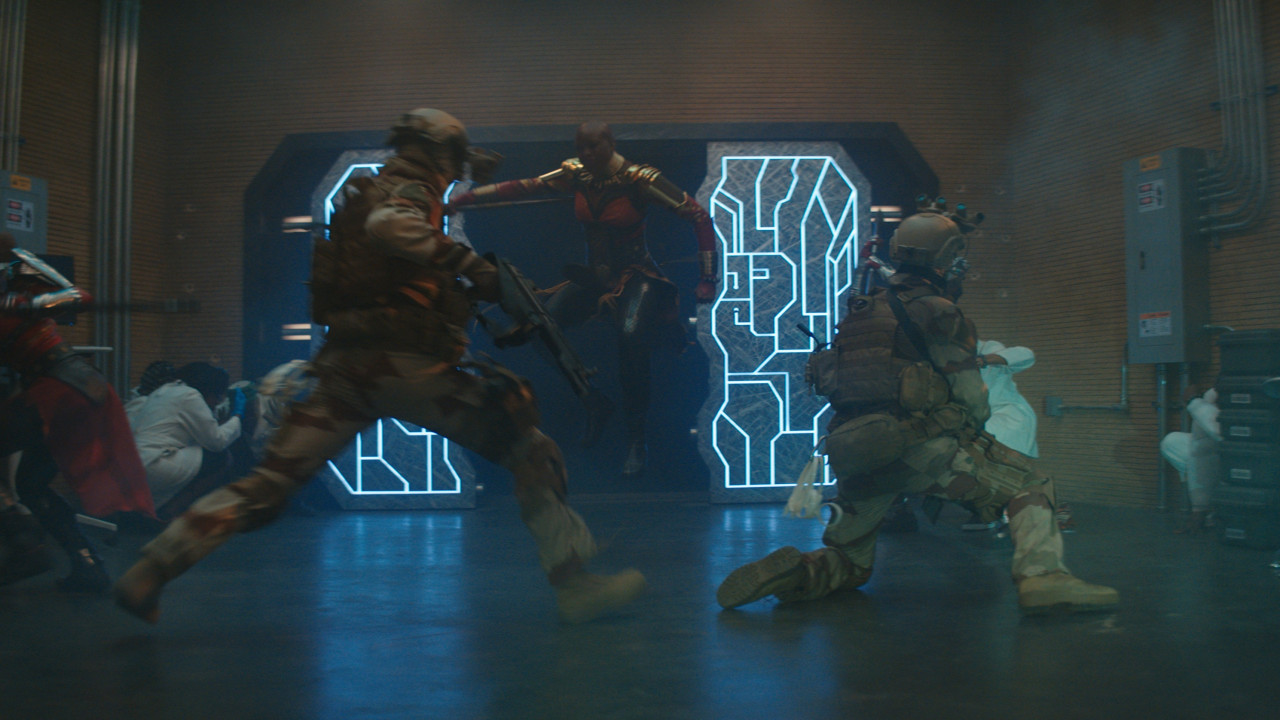
One of the best sequences of Wakanda Forever is an extended flashback sequence showing the origins of Namor. Like Killmonger before, we get to see things from his perspective and understand why he is so hostile to the surface world. His people were literally chased into the ocean by Europeans.
The film is also the latest chapter in the so-called Phase 4 of the MCU, and shares some of the drawbacks of bigger event Marvel movies. Because it is part of a larger universe, there are storylines that are set up but don’t pay off, and won’t until a movie or Disney+ show comes out sometime in the future.
That’s part of the deal when it comes to Marvel, but in the case of Wakanda Forever, it leads to a bloated 2-hour and 41-minute running time and muddles some otherwise powerful storytelling.
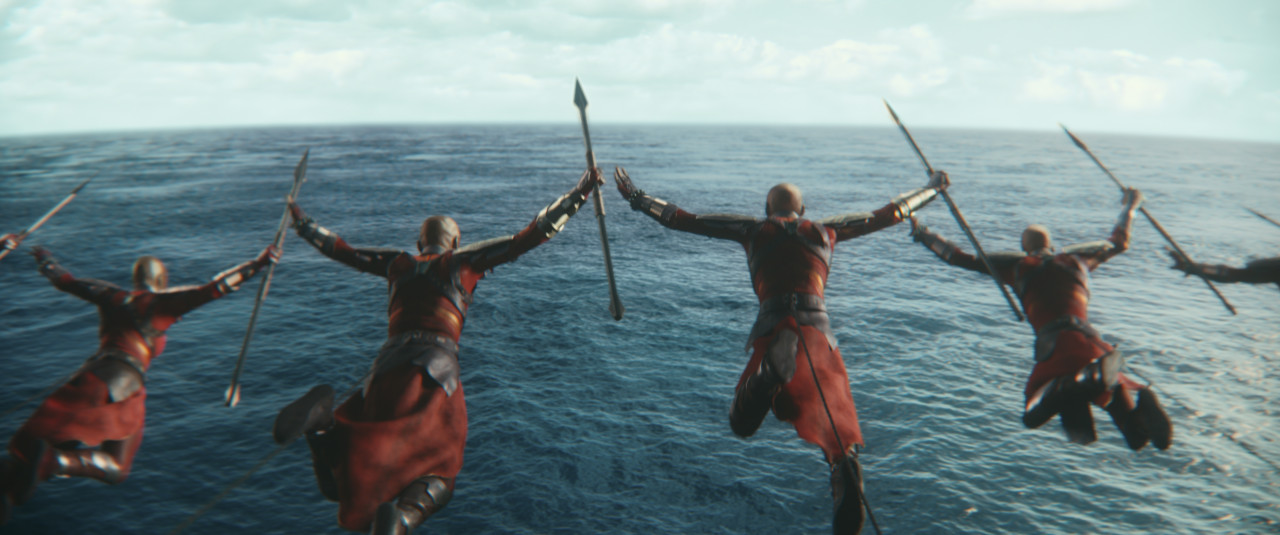
The action is well made, though unfortunately when it comes to close-quarters hand-to-hand fighting, the editing is too quick and choppy to the point where you can’t really enjoy the choreography. The action is much better when it goes big, which it does during an attack on Wakanda at the film’s midpoint and during the explosive finale.
Wakanda Forever isn’t afraid to lean into its comic book silliness, as Namor sports winged feet that turn him into an airborne menace, and killer whales are used as a means of transport.
The performances are all strong, though a lot of the narrative weight falls on Wright, who has to carry the mantle handed down by Boseman’s untimely passing. She does a good enough job, though the writing doesn’t do her any favours, as her motivations are sometimes not well established.
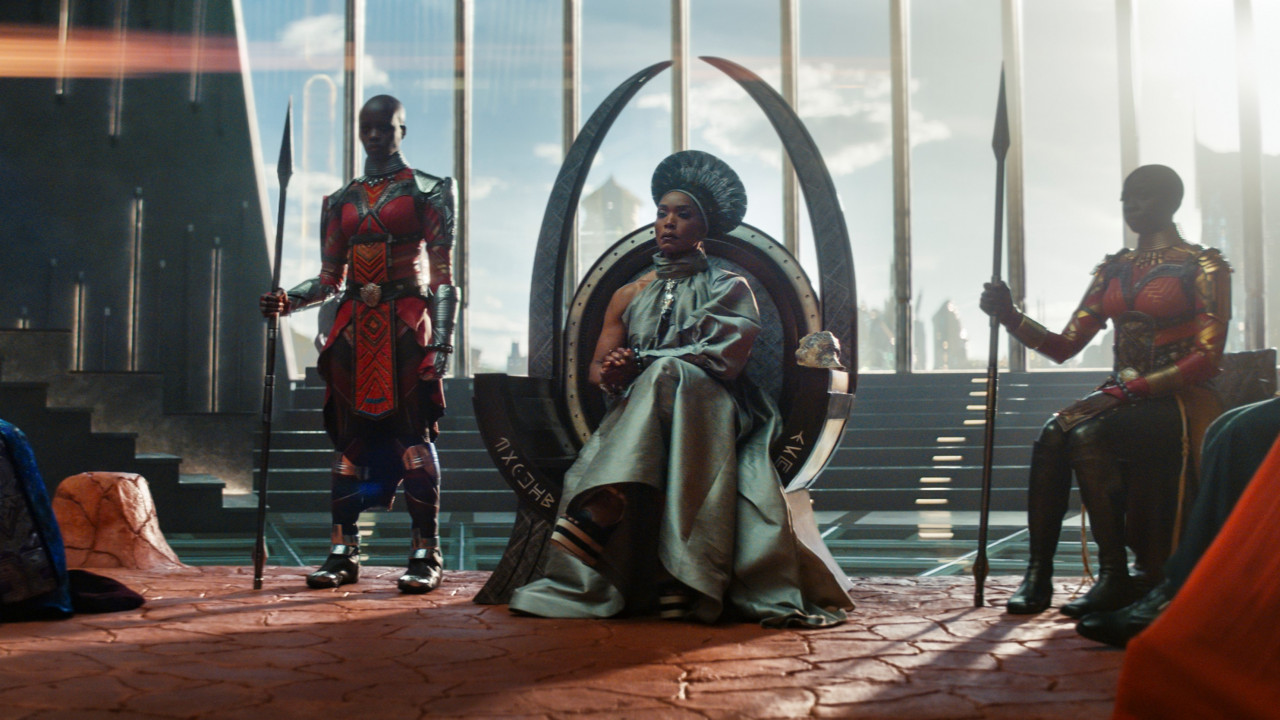
Bassett brings the house down in a couple of scenes, bringing to life a queen and mother deep in grief, but holding it together for her nation. Unfortunately, some of her best lines were spoiled in the trailer.
As a meditation on grief and acceptance, and an upfront look at the legacy of colonialism, Wakanda Forever treads new ground for Marvel. It shares the emotional power of the first Black Panther and has a real sense of place that’s been missing from the last couple of MCU projects.
It gets a bit muddled with some side plots and is too long, but is their best since last year’s No Way Home. – The Vibes, November 10, 2022